Egypt raised $500 million in a reopening of its international bonds, a reminder that Cairo still needs steady access to foreign funding even as it tries to shrink its external debt burden over time.
Egypt raises $500 million in bond reopening
The deal matters because sovereign borrowing is not just a financing exercise for Egypt; it is a test of whether investors are willing to keep lending to one of the Middle East’s largest and most indebted economies. Every successful sale helps Egypt cover budget needs, refinance obligations and reduce the risk of a disorderly funding squeeze that could ripple through the broader economy.
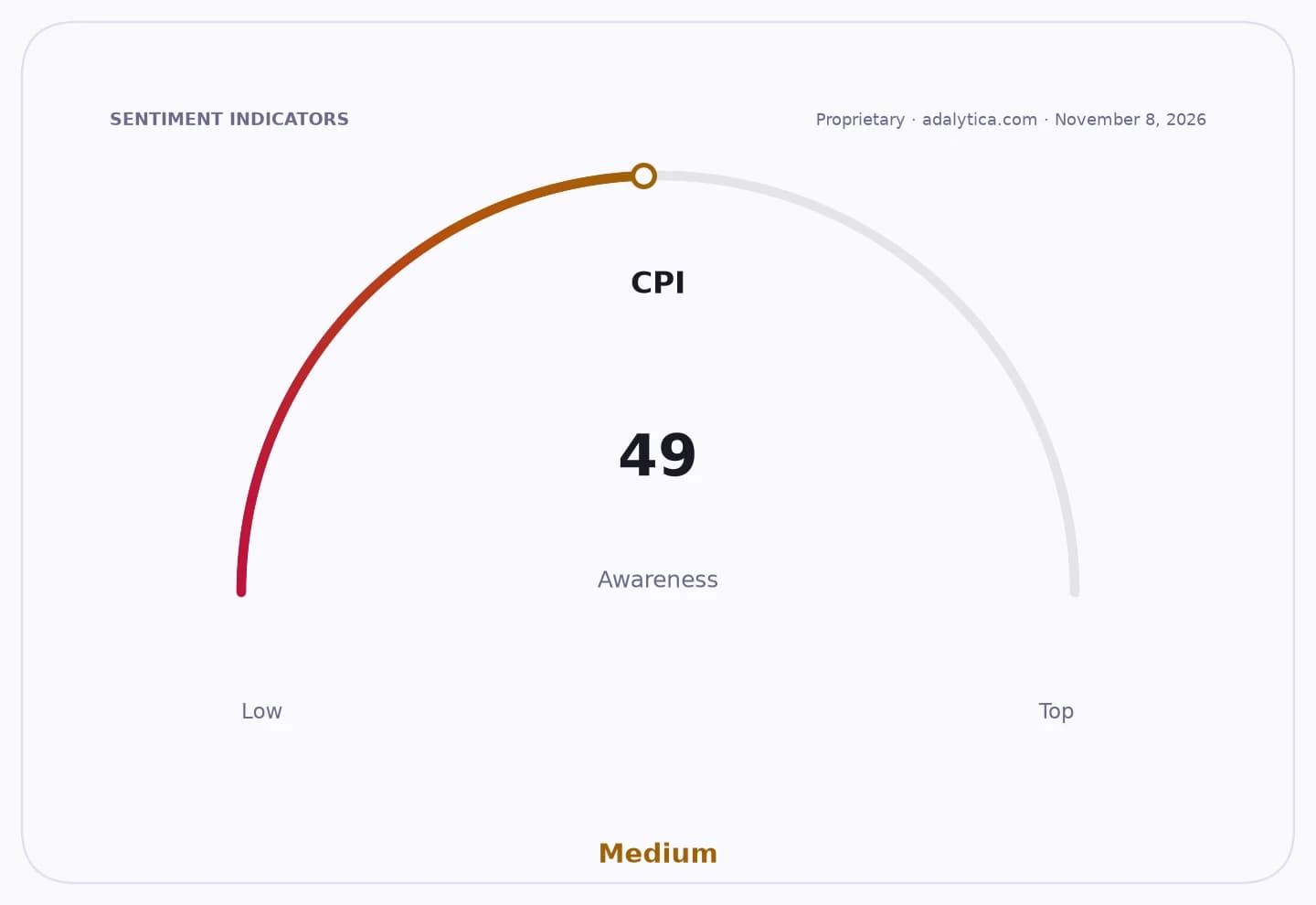
Sentiment Indicators
The Ministry of Finance said the offering was split between $150 million of three-year bonds due in 2030 and $350 million of six-year bonds maturing in 2033, giving it an average maturity of five years. That longer tenor is important for a country trying to spread out repayments rather than rolling over large chunks of debt at short intervals, which can become costly when global borrowing conditions tighten.
Cairo also used the announcement to underscore its broader debt strategy. The ministry repeated its target of cutting the external debt of budget-sector entities by $1 billion to $2 billion a year, part of a wider effort to ease Egypt’s debt load and support fiscal reform. For investors, that pledge is as important as the sale itself: the market wants evidence not only that Egypt can borrow, but that it can eventually borrow less.
The government has been broadening its funding sources, pointing to previous sovereign sukuk, social bonds and sustainable Samurai bonds. That diversification is a positive sign for creditors and bondholders because it suggests Egypt is not relying on one market or one type of investor. It also helps explain why the country can still tap international demand despite a challenging backdrop for emerging-market borrowers.
For long-term investors, Egypt remains a higher-risk story, but not an uninvestable one. The key question is whether fiscal reforms, debt reduction and repeated market access can gradually improve the country’s financing profile. If that happens, each reopening is not just a stopgap — it becomes part of a slow repair of investor confidence.
For now, the bond sale says Egypt can still get funded. The next test is whether it can make that access cheaper and more durable over the next several years.
| Entity | Gains | Losses |
|---|---|---|
| Egypt government | ▲Near-term financing access | ▼Higher debt burden if reforms stall |
| Bond investors | ▲New sovereign yield pickup | ▼Credit risk from fiscal strain |
| Existing creditors | ▲Better refinancing continuity | ▼Exposure to prolonged macro pressure |
| Competing emerging borrowers | ▲Benchmark for demand | ▼Less room if Egypt absorbs investor appetite |