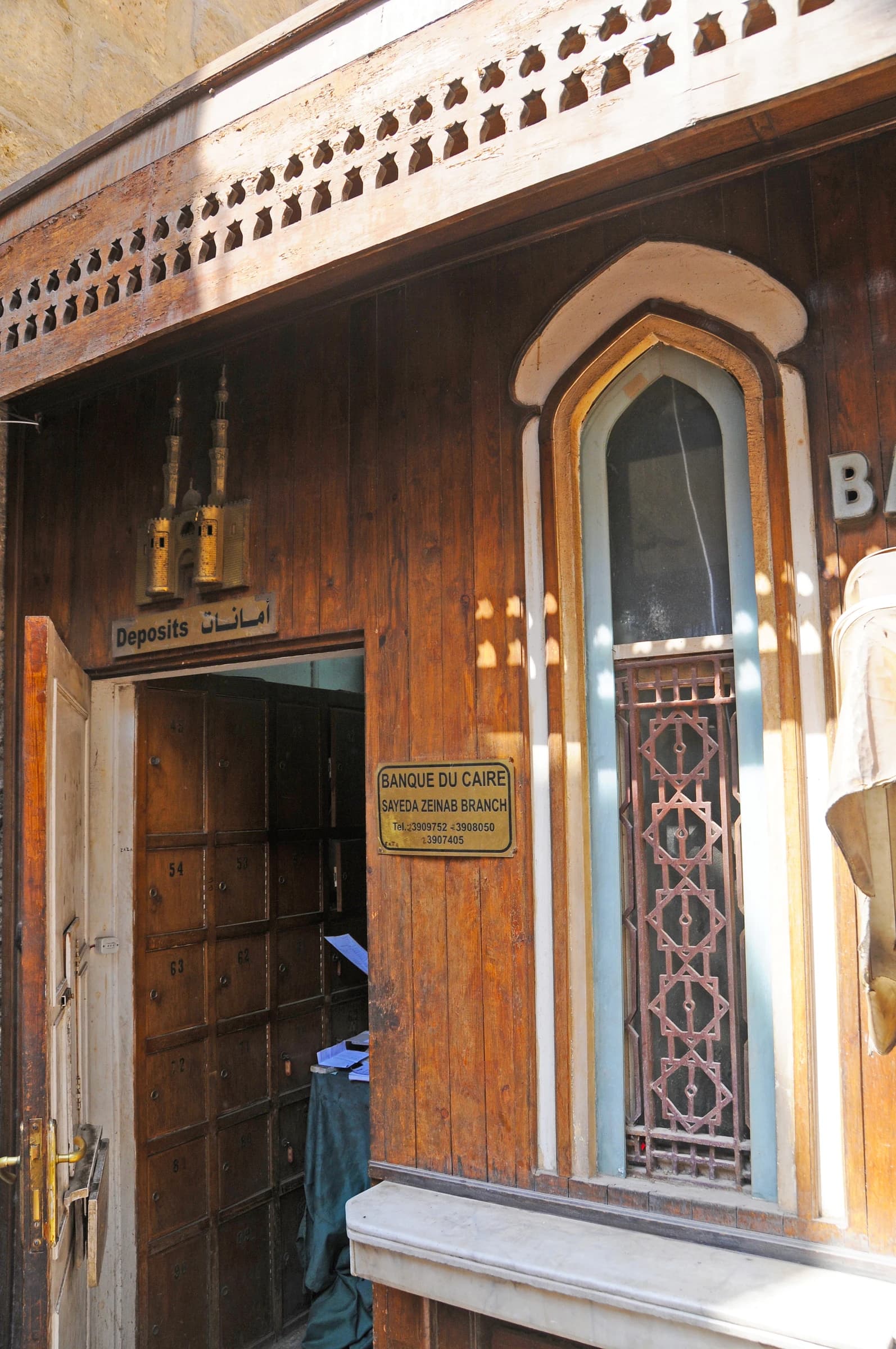
Egypt’s sale of a 45% stake in Banque du Caire has raised about 585.4 million euros, a fresh test of whether the country can keep privatizing state assets and draw in foreign capital even as regional tensions weigh on the economy.
Egypt Sells 45% of Banque du Caire Stake
That matters because the offering is more than a bank listing. It is a signal that Egypt is still willing to press ahead with one of the toughest parts of its IMF-backed reform program: shrinking the state’s role in business and widening the private sector’s reach. For investors, that improves the long-term case for Egypt’s capital markets, where liquidity has often been thin and sentiment fragile.
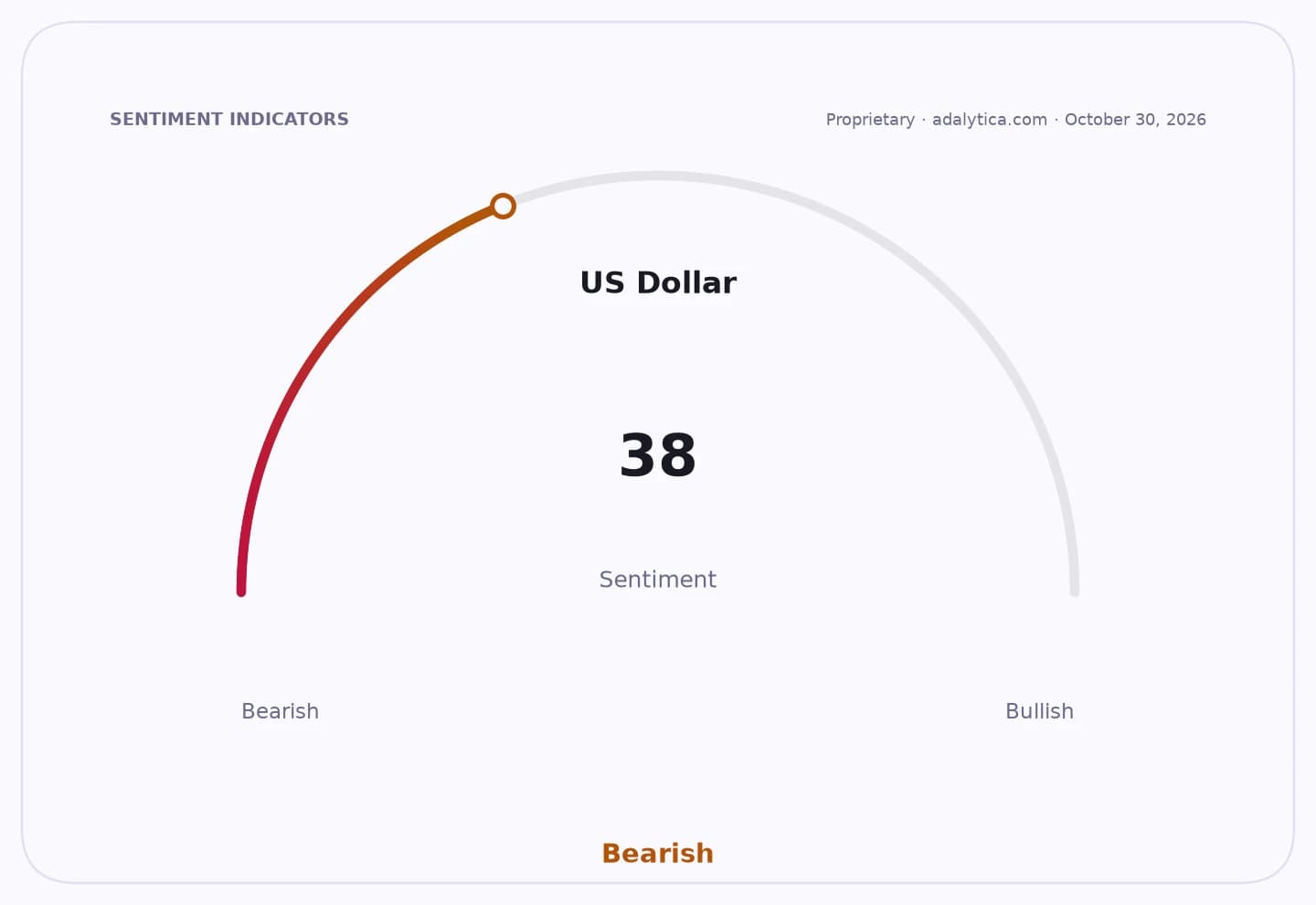
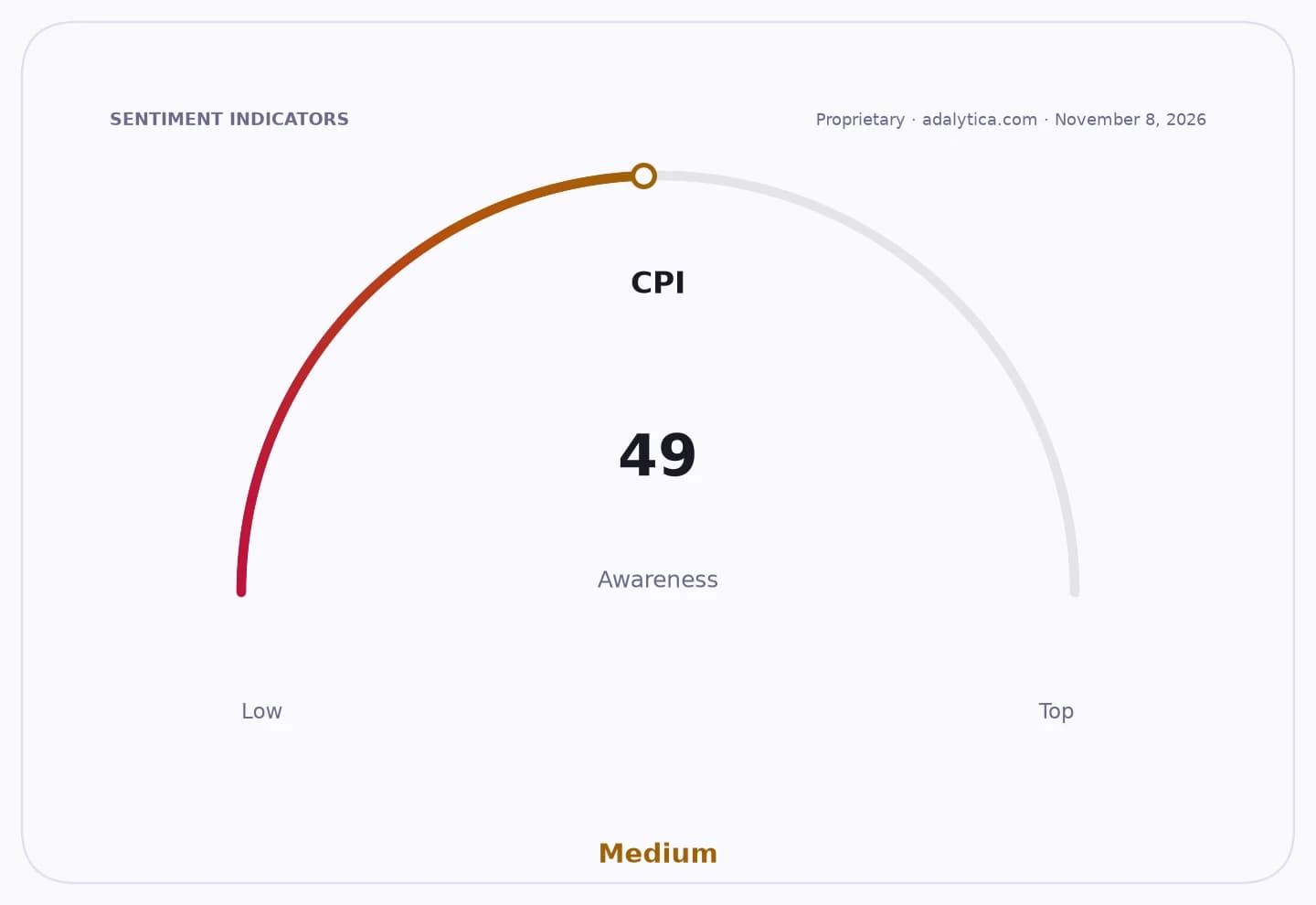
Sentiment Indicators
Banque Misr, the lender’s majority shareholder, sold 6.86 billion shares at 5.30 Egyptian pounds each, valuing Banque du Caire at just over 1.3 billion euros. The deal was priced despite war in Gaza, conflict in Ukraine and the broader uncertainty that has delayed privatization plans for years. That makes the transaction important not just for the bank, but for Egypt’s reform credibility.
The buyer mix also matters. The International Finance Corporation and the European Bank for Reconstruction and Development were among the investors, with the EBRD saying it put in $100 million for a 6.9% stake. When multilateral institutions anchor a deal like this, they help validate the valuation and reduce the perception that these offerings depend solely on domestic demand.
For Egypt, the listing is part of a wider effort to sell holdings in more than 30 state-linked companies. The government has already given preliminary approval to list four firms by May 2027. If it can keep executing, the country could unlock more foreign investment, deepen its stock market and improve the efficiency of state-controlled assets over time.
Investors should still be realistic. Privatization in Egypt has been discussed for decades, and the real test is whether this deal becomes the start of a pipeline rather than a one-off. But for patient investors looking at emerging markets over a three- to five-year horizon, Banque du Caire’s debut is a constructive sign that Cairo is moving from promises to execution.
| Entity | Gains | Losses |
|---|---|---|
| Egyptian government | ▲Cash proceeds; reform credibility | ▼Larger state role shrinks |
| Banque du Caire | ▲Public-market access; new capital | ▼Loss of full state control |
| IFC and EBRD | ▲Strategic foothold; reform influence | ▼Exposure to Egypt risk |
| Private investors | ▲New bank exposure; valuation upside | ▼Currency and policy risk |