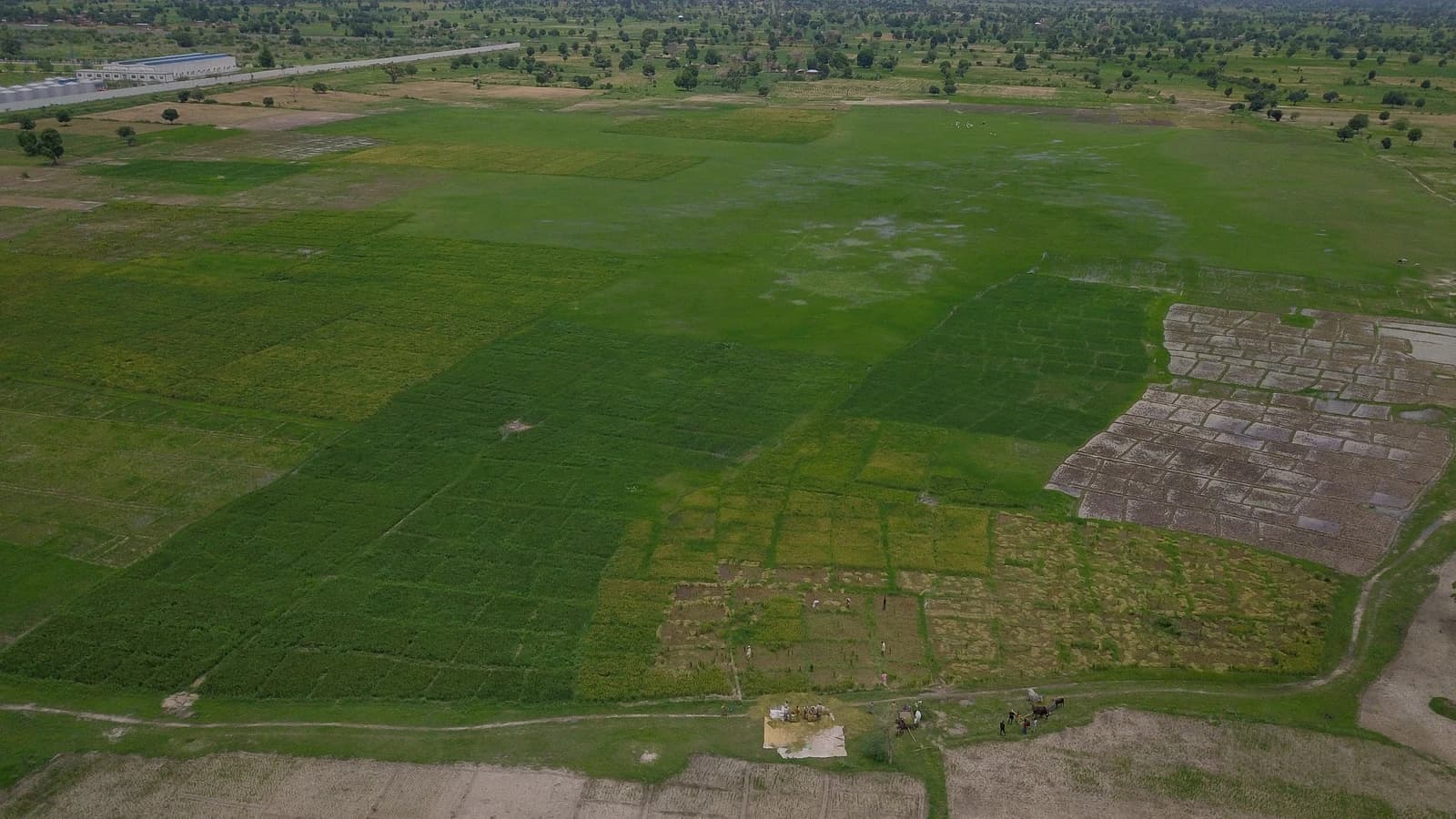
Rice prices have climbed to fresh records in Asia as El Niño-driven weather stress tightens supply, but South African importers appear insulated for now thanks to ample inventories.
Rice prices hit records as Asia supply tightens
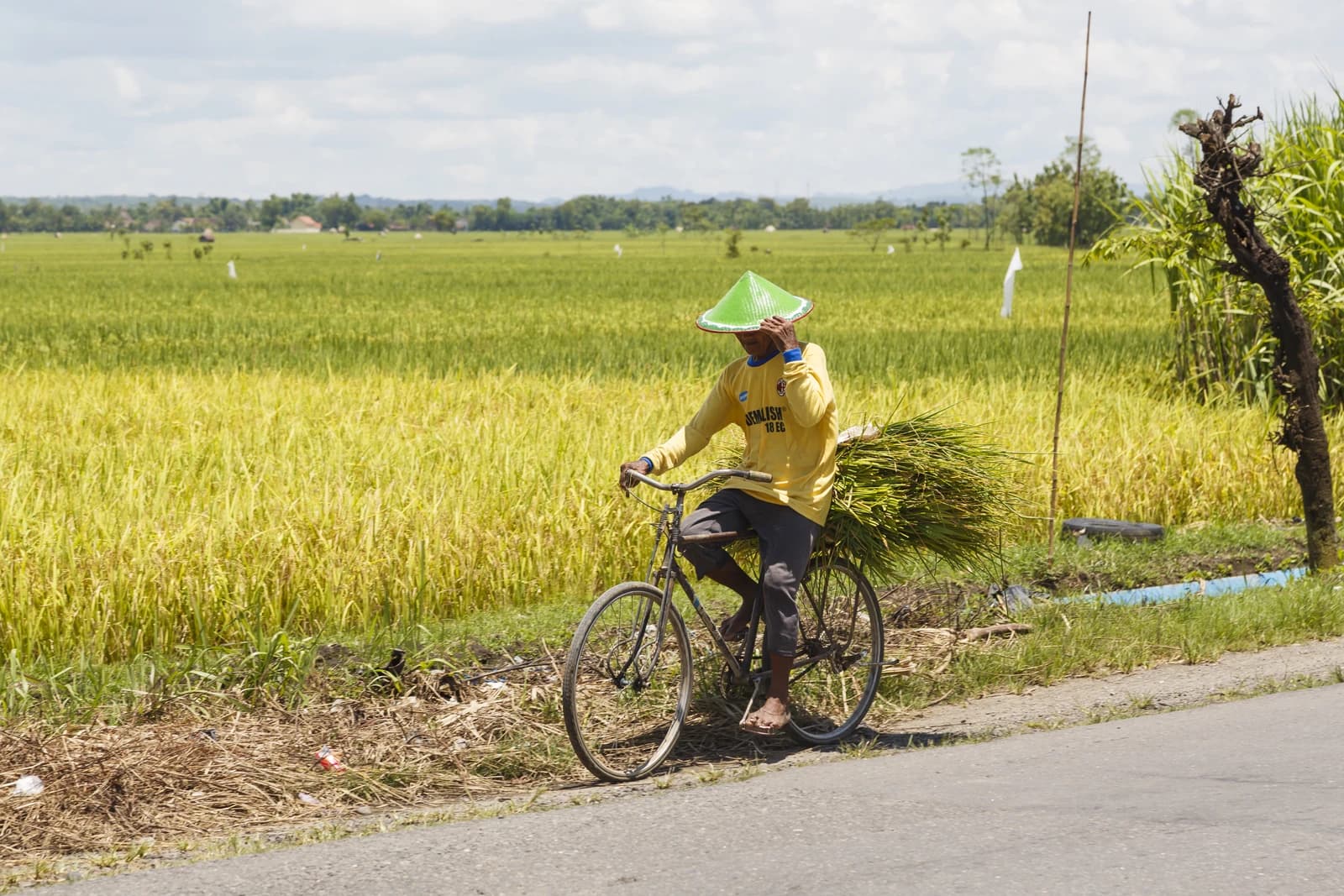
The economic significance is bigger than a single commodity spike. Rice is the staple grain for billions of consumers, and higher prices feed directly into food inflation, especially in import-dependent markets across Asia, Africa and parts of Latin America. When rice rises, it tends to matter more politically than many other agricultural commodities because households spend a larger share of income on food and governments are often forced to intervene.
Sentiment Indicators
Vietnam’s export price for premium ST25 rice has reached about $1,000 a ton, a record level and a sign that the supply squeeze is still intensifying. The move comes after weak rainfall and drought damage in key growing areas, with lower fertilizer use also curbing output. Market estimates point to a roughly 10% drop in production and a 15% increase in prices, extending a run of gains that has lasted seven straight months.
That matters for investors because the inflation impulse from rice can ripple through central-bank expectations, consumer spending and food retailers’ margins. It also raises the odds of more export restrictions or stockpiling measures from producing countries, a familiar pattern when food inflation becomes politically sensitive. In global markets, the latest surge is a reminder that agricultural commodities are again being driven by weather, not just logistics or demand.
For South Africa, however, the immediate pressure looks limited. Importers are said to be well stocked, which should cushion near-term supply disruption and reduce the chance of a sudden jump in shelf prices. That does not eliminate exposure entirely — a prolonged rally in Asia can still lift replacement costs over time — but it gives local buyers more breathing room than in markets forced to replenish inventories at spot prices.
The broader narrative is that climate volatility is once again exposing how thin the buffer is in global food chains. If El Niño persists and governments begin restricting exports to protect domestic consumers, the rice market could tighten further and keep inflation elevated into next year. For investors, the key watchpoints are whether Asian supply improves, whether exporting governments intervene, and how long stocked importers such as those in South Africa can delay the pass-through.
| Entity | Gains | Losses |
|---|---|---|
| Asian rice exporters | ▲Higher selling prices | ▼Demand backlash risk |
| Import-dependent consumers | ▲None | ▼Higher food inflation |
| South African importers | ▲Inventory buffer | ▼Future replacement costs |
| Governments in rice producers | ▲Policy leverage | ▼Political pressure over prices |