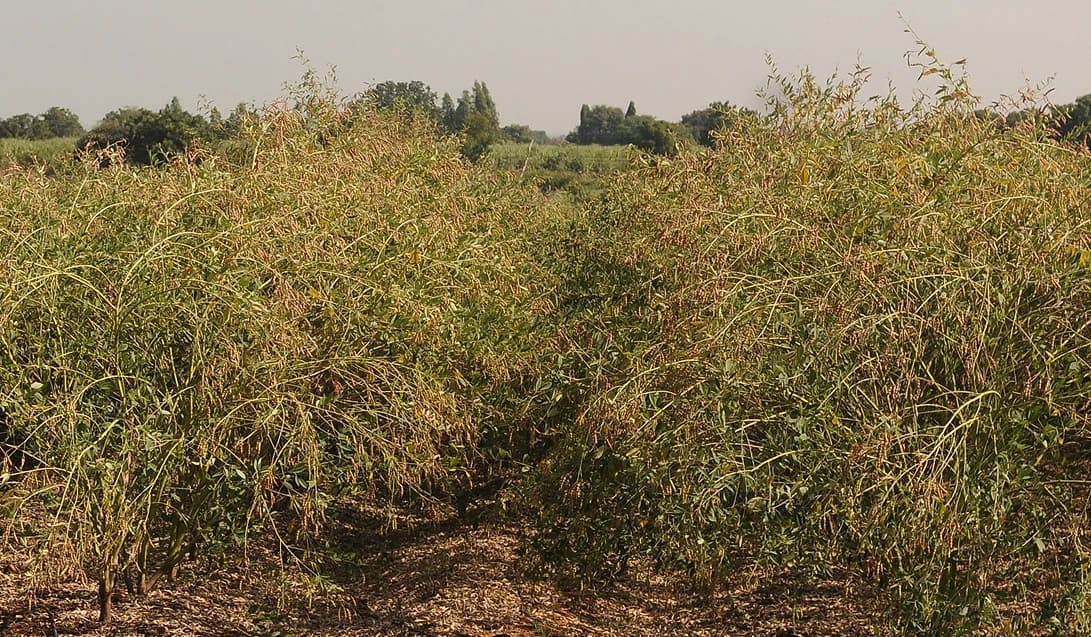
Kenya is stepping up rice seed production as it tries to cut import dependence by 2032, a shift that could reshape food security, farmer incomes and the country’s grain import bill.
Kenya steps up rice seed production to cut imports
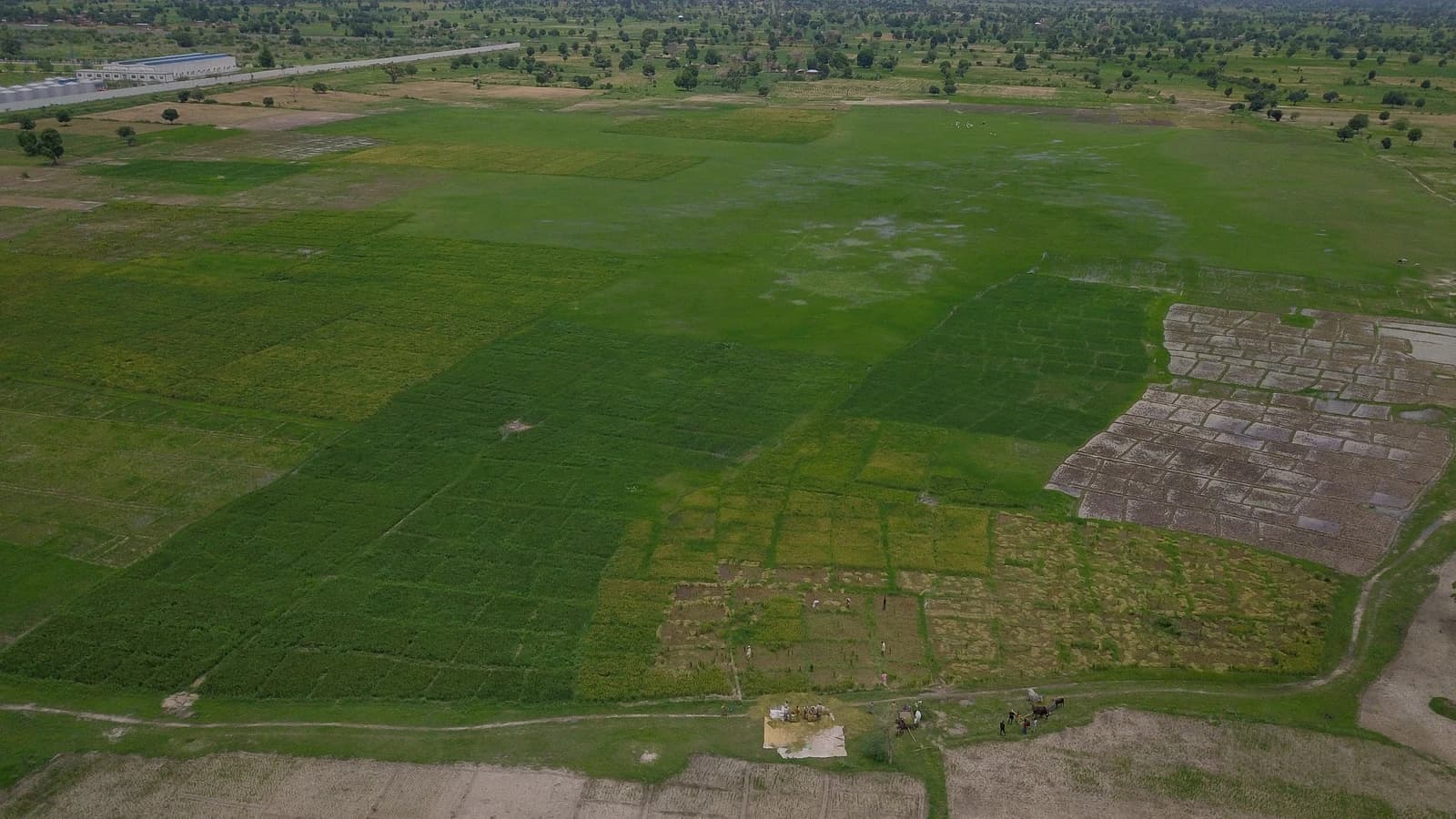
The move matters economically because rice has become an increasingly costly staple for consumers, while Kenya’s reliance on imported grain leaves the market exposed to global price swings and trade disruptions. Expanding local seed supply is a prerequisite for raising yields, improving acreage productivity and reducing the need to source rice from abroad.

The policy push comes as rice prices have been climbing sharply in recent weeks, according to market context, intensifying pressure on households and food processors. That backdrop has also sharpened concern around export restrictions in major producing countries, a reminder that import-dependent markets can be vulnerable when global supplies tighten.
For investors, the story points to longer-term opportunities in agricultural inputs, storage, milling and domestic farming systems, even if the near-term market remains supply constrained. A successful seed scale-up would support local producers, lower import demand and potentially ease inflationary pressure over time, though execution risk remains high given the timeline to 2032.
Related commodity markets have also shown volatility, with grain-linked funds reflecting shifting expectations on supply and demand. Technical readings on corn, wheat and the broader agriculture basket show elevated swings, underscoring how sensitive food markets remain to weather, policy and trade flows.
Kenya’s challenge now is less about ambition than implementation: scaling certified seed, getting adoption into the field and lifting yields enough to meaningfully displace imports. The next checkpoints will be planting seasons, state support for seed systems and whether domestic production can keep pace with demand growth.
| Entity | Gains | Losses |
|---|---|---|
| Kenyan rice farmers | ▲Better seed access | ▼Import competition |
| Kenyan consumers | ▲Lower price risk over time | ▼Near-term supply tightness |
| Rice importers | ▲— | ▼Smaller market share |
| Seed producers | ▲Higher demand | ▼Execution failure risk |