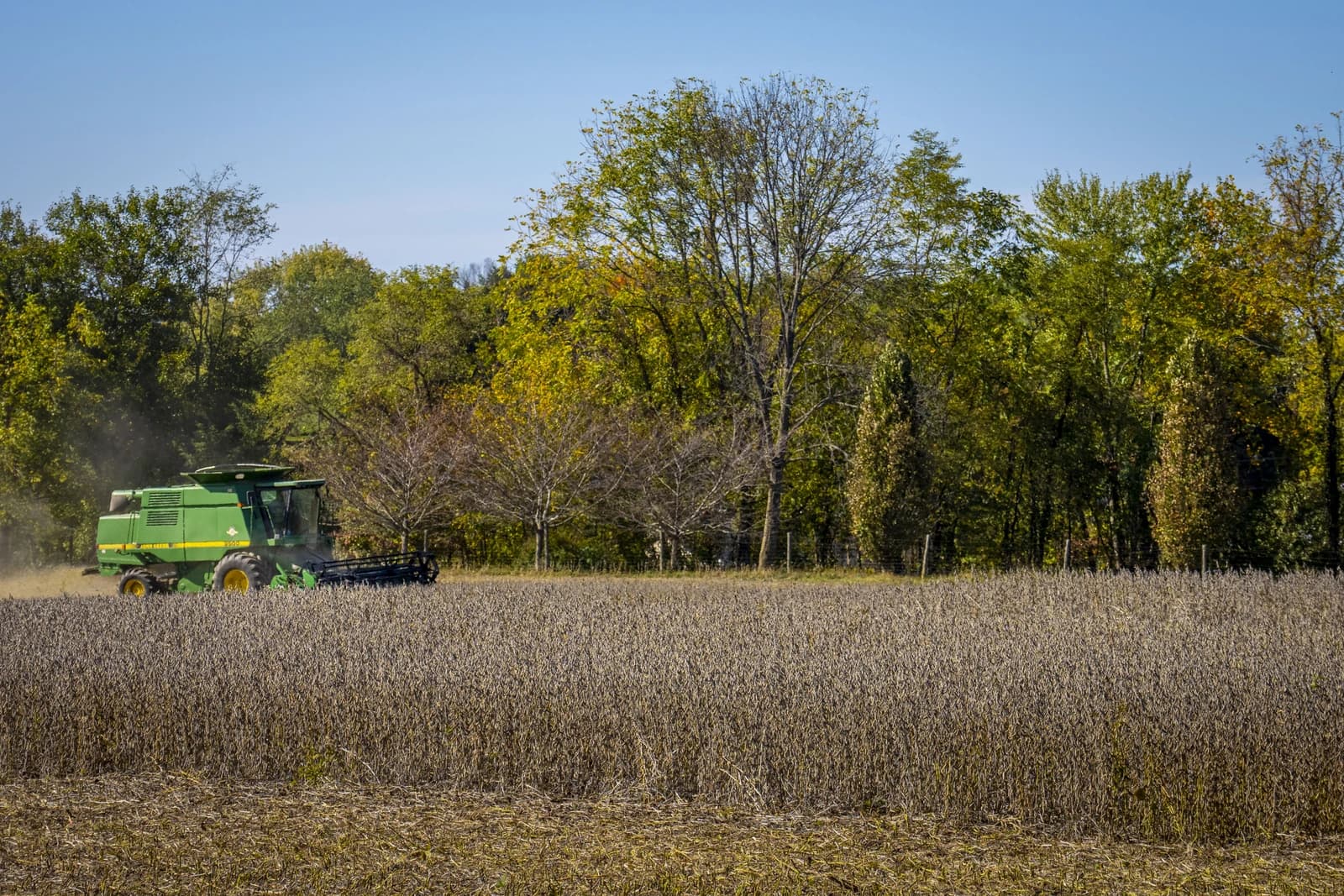
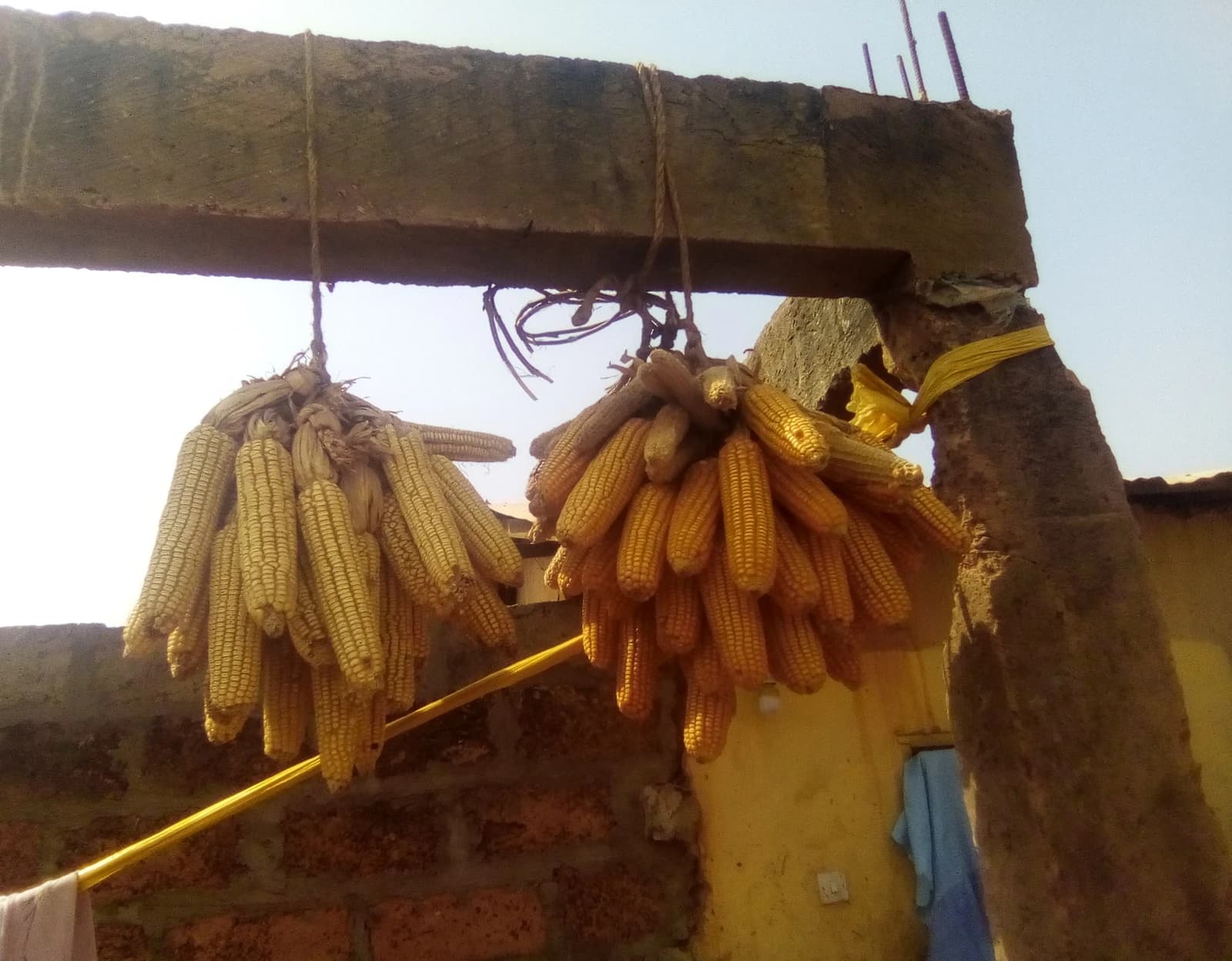
Burundi has begun rolling out a corn value-chain programme under the BRIDEP project, a move aimed at reducing dependence on imported seed, lifting farm productivity and strengthening one of the country’s most important staple crop markets.
Burundi BRIDEP rolls out corn seed program
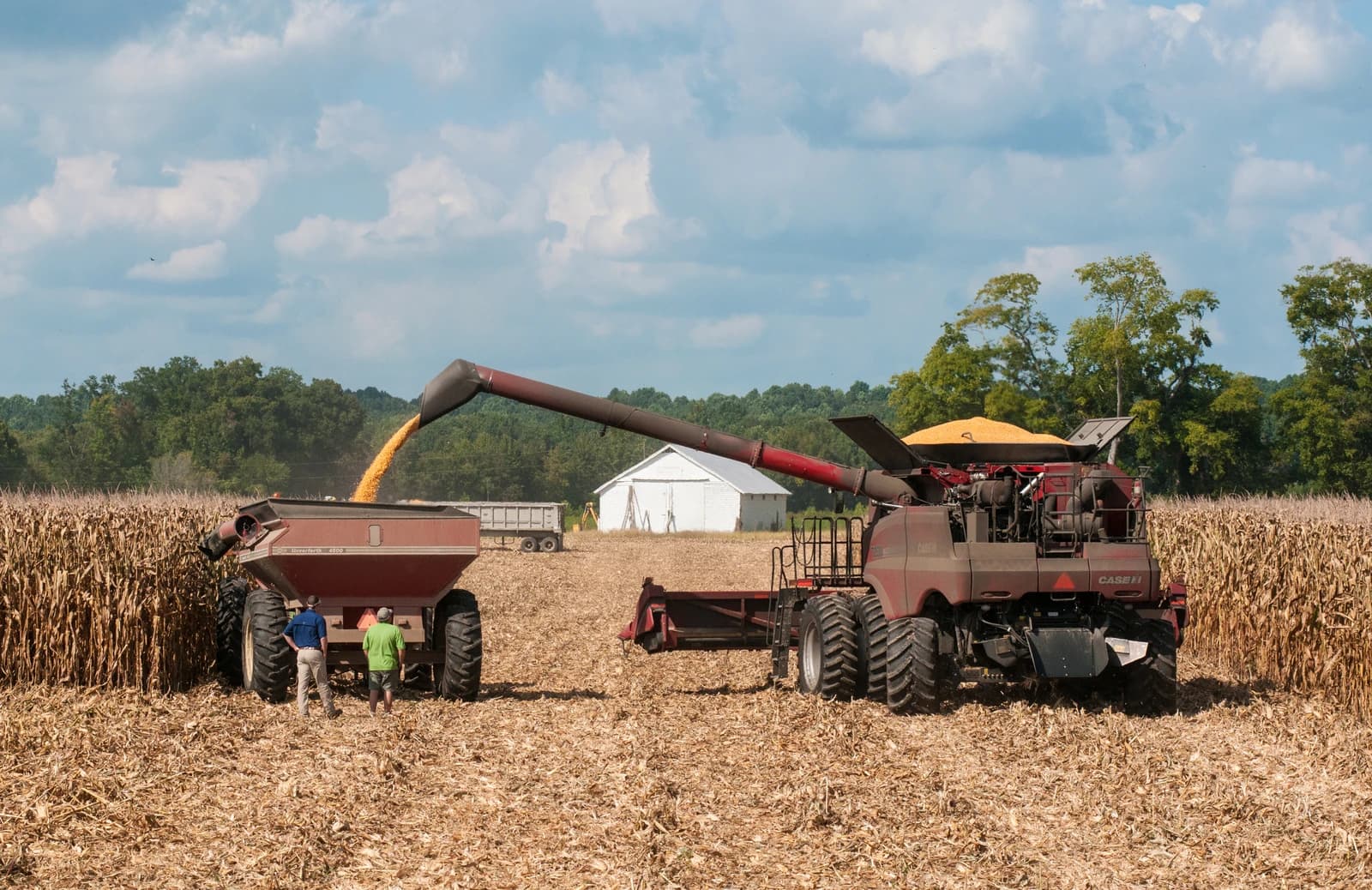
The initiative matters economically because maize is not just a food crop in Burundi; it is a key input into rural incomes, food security and the availability of animal feed. By targeting better seed supply, higher yields and wider adoption of hybrids, the project is trying to address a structural bottleneck that has kept productivity low and forced producers to rely on imported seed varieties.
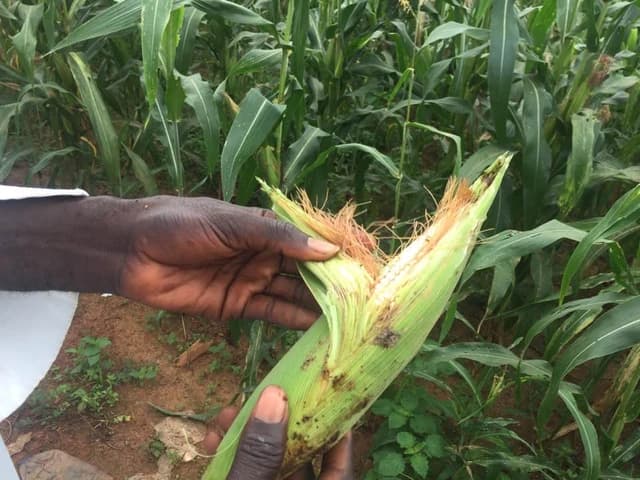
At a workshop in Cibitoke, the International Institute of Tropical Agriculture, or IITA, said the first phase will focus on pre-basic seed production. That matters because the seed system is where agricultural productivity gains begin. If the project succeeds in introducing adapted, higher-performing varieties and multiplying them locally, Burundi could gradually build a domestic pipeline from foundation seed to certified seed, reducing foreign exchange leakages tied to imports and making supply more reliable for farmers.
Officials say the ambition is to intensify production across 12,000 hectares, lift yields to at least 6.5 tonnes per hectare and add about 25,000 tonnes of output a year, while reaching at least 45,000 households directly. For a country where smallholder agriculture remains central to livelihoods, those targets would be meaningful if delivered. They also imply a broader policy shift: moving from short-term input support toward a more durable seed-and-input system that can scale beyond one season.
For investors and agribusiness stakeholders, the relevance is less about a tradable corn market than about the economics of agricultural supply chains. Seed producers, input suppliers and local processors stand to benefit if the project builds a dependable domestic seed market and improves yields consistently. The risks are familiar: weak distribution, uneven farmer uptake, limited financing and the challenge of maintaining quality control as seed volumes rise.
The project’s emphasis on training, technical support and direct input packages suggests authorities understand those constraints. The next test is execution — whether the new varieties perform in local conditions, whether certified seed production can be scaled by next year as planned, and whether farmers can actually translate input access into sustained productivity gains.
| Entity | Gains | Losses |
|---|---|---|
| Burundian farmers | ▲Higher yields, better seed access | ▼Dependence on weak seed supply |
| Seed producers | ▲New local market, technical support | ▼Reliance on imported seed chains |
| Government/BRIDEP | ▲Food-security gains, rural output growth | ▼If rollout falters, credibility |
| Importers of corn seed | ▲— | ▼Less demand for imported seed |