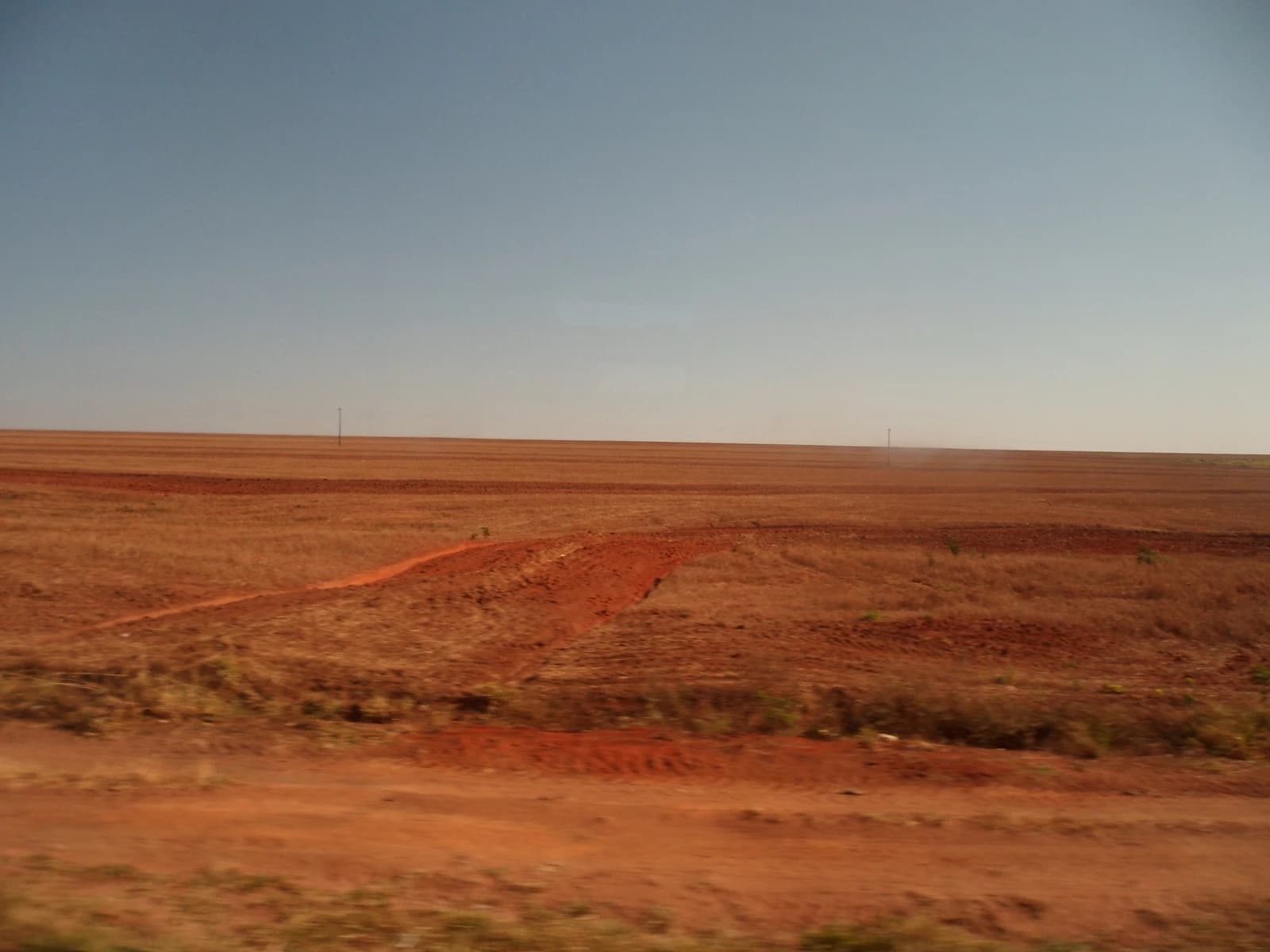
Soybean threshing has begun in Los Chenes just as producers confront one of the weakest harvests in years, with drought and failed rains expected to slash output by about 50,000 tonnes from last season and leave no official selling price set yet.
Los Chenes soybeans face 50,000-tonne harvest drop
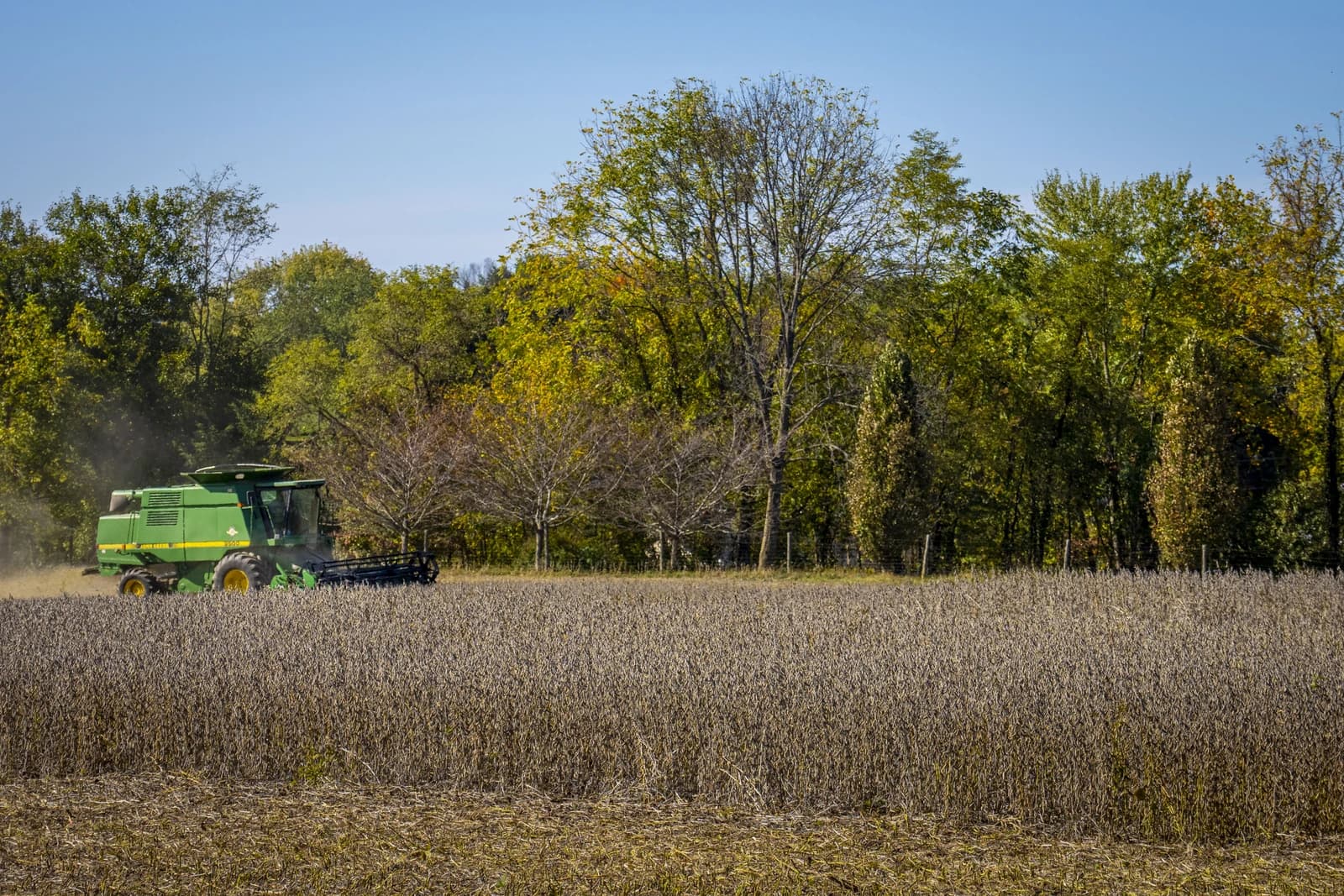
The shortfall matters because Los Chenes, in Campeche, is a key soybean belt where local supply feeds regional processors and livestock supply chains. Fernando Catzín Aké, a producer leader and state grains association official, said the region should harvest about 70,000 tonnes from a little more than 40,000 hectares planted in the spring-summer cycle, down sharply from roughly 120,000 tonnes a year earlier and far below the 130,000 tonnes reported in 2025 in Hopelchén alone.
Sentiment Indicators
That gap is an economic hit for growers and buyers alike. Producers had expected yields of 2.5 to 3 tonnes per hectare, but are now gathering just 200 to 300 kilos per hectare in many fields, with some plots lost entirely and others damaged by 50% to 80%. The result is lower farm income, thinner local commerce and less throughput for processors such as Hidrogenadora Yucateca, which is expected to sit down with growers to determine a purchase price in the coming days.
For investors and agribusiness players, the immediate issue is supply scarcity rather than volume. Tight local availability can support farmgate prices, but it also raises execution risk for processors that depend on consistent raw material flows. The squeeze comes against a backdrop of wider weakness in soybean markets: U.S. soybean futures have been under pressure as the harvest nears completion, even as weather concerns and fund selling drive volatility. In that context, Campeche’s crop loss is less about global price formation than about a local supply shock forcing a later, likely harder, price negotiation.
The market now turns to the pricing talks and to whether the reduced crop can still command a premium because of scarcity. If buyers move quickly, growers may recoup some of the damage from yield losses; if not, the region’s farmers will face a second blow from weak bargaining power on top of weather losses.
| Entity | Gains | Losses |
|---|---|---|
| Soybean growers in Los Chenes | ▲Higher scarcity-based prices | ▼Lower yields and income |
| Hidrogenadora Yucateca / processors | ▲Potential supply security | ▼Higher input costs |
| Local buyers and livestock supply chain | ▲Some access to remaining crop | ▼Tighter raw material supply |
| Nearby competing oilseed suppliers | ▲Better pricing leverage | ▼Pressure from regional shortages |