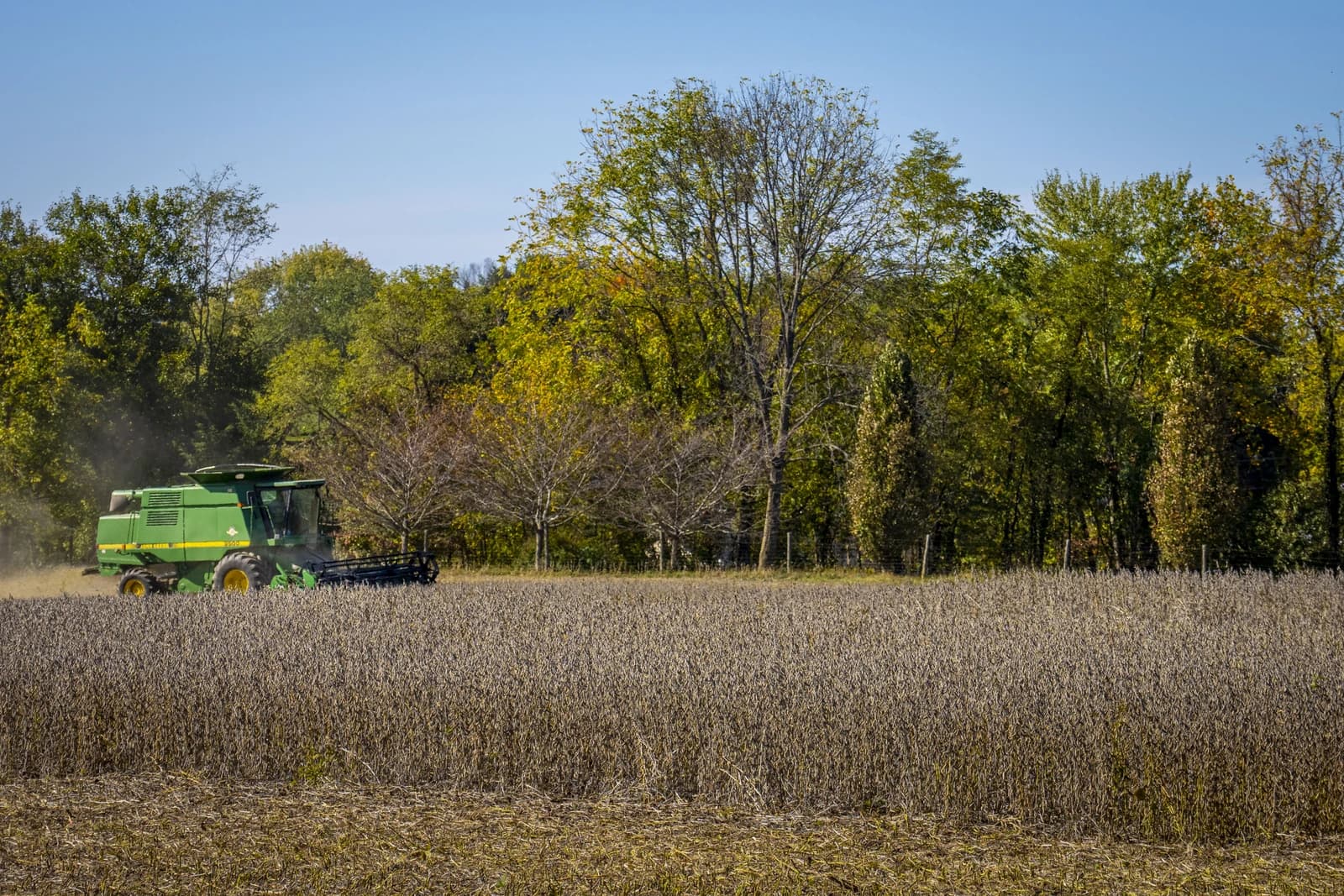
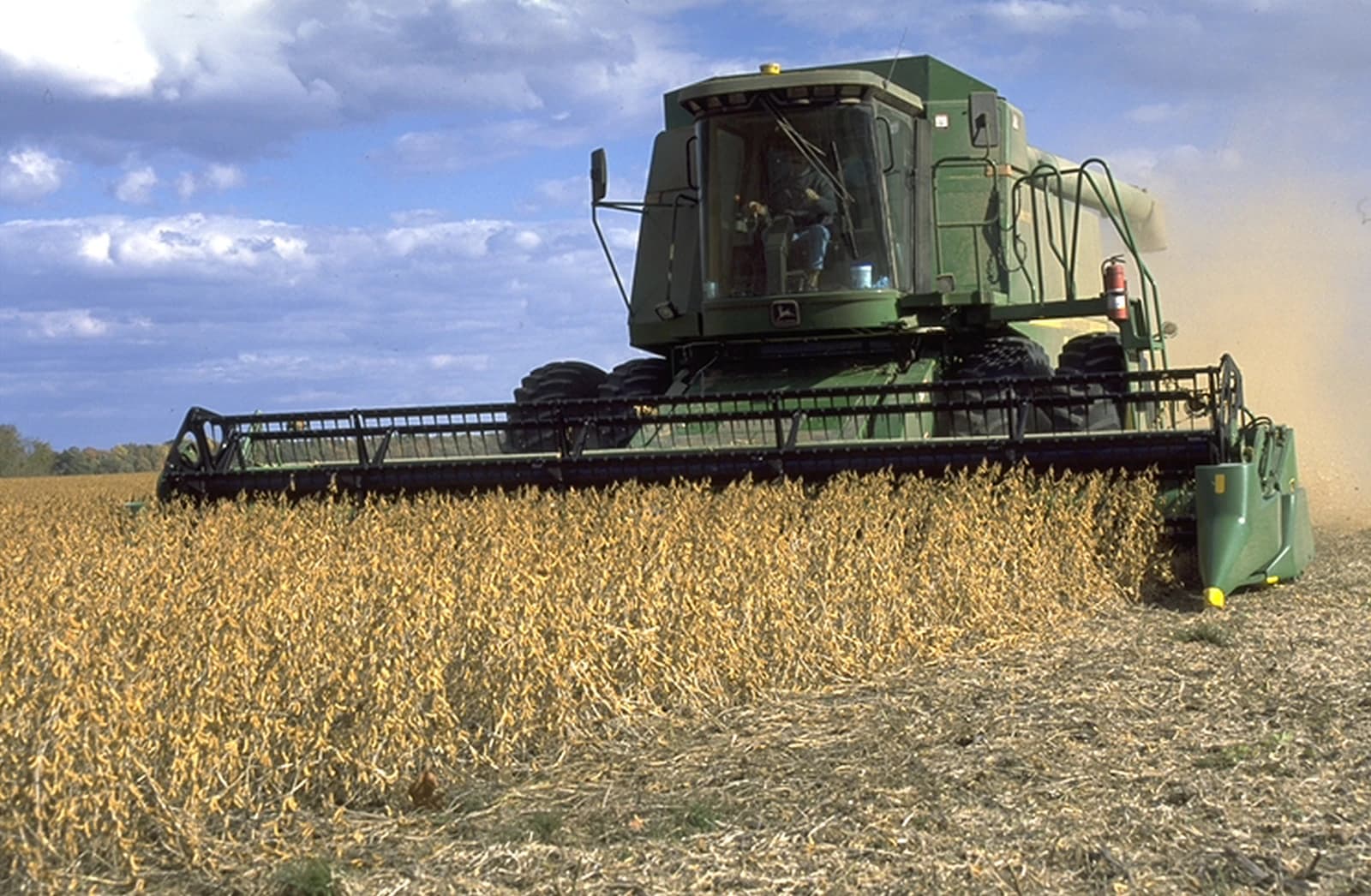
Brazilian soybean growers are poised to expand acreage for an 18th straight year as better margins from soy, softer input costs and weaker incentives to plant corn tilt the 2024/25 South American crop mix toward oilseeds.
Brazil soybean growers set for another acreage increase
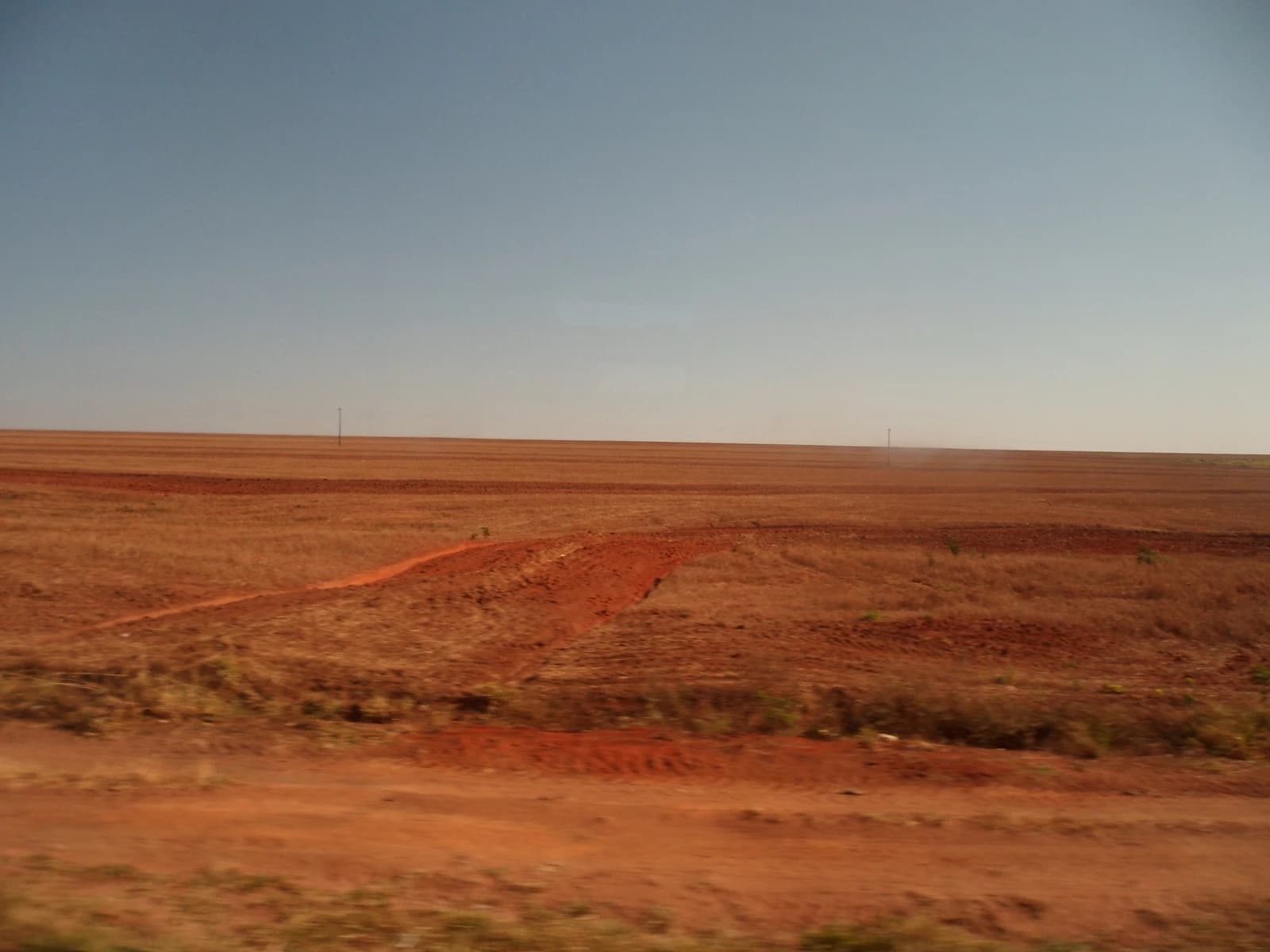
That shift matters because Brazil is already the anchor of global soybean supply, and another increase in planted area would reinforce the country’s dominance just as world demand remains firm and production elsewhere is uneven. DATAGRO said Brazilian soybean area could rise 2% to 47.0 million hectares, taking South American plantings to a record 71.409 million hectares and lifting regional output to 237.851 million tonnes, up 10% from the prior season.
Sentiment Indicators
The economic backdrop is doing much of the work. DATAGRO said growers are still receiving “reasonable” soybean prices even after a recent step lower, while global demand has held up and the crop’s smaller-than-expected 2024 harvest has limited downside in CBOT futures. At the same time, global prices for pesticides and fertilizers have fallen, cutting production costs and improving the economics of planting soy over alternatives.
Corn is losing ground in the comparison. The report said lower corn prices have provided less incentive to compete for acreage, strengthening the case for soy expansion in Brazil and across the region. In Argentina, the possible reduction or removal of export taxes would improve farm income and add to the regional push, but Brazil remains the key swing factor given its scale and continuing conversion of pasture and integrated crop-livestock land into fields.
For investors, the implications cut both ways. Higher acreage in Brazil could weigh on soy prices later if weather cooperates and yields stay strong, even if near-term supply tightness helps support margins. Farmers, seed and input suppliers, and logistics providers stand to benefit if the acreage shift translates into another large crop. Traders and holders of soybean-linked assets face the risk that a record South American harvest eventually eases the market’s supply premium.
The bigger narrative is that Brazil’s soybean machine is still growing, but profitability now depends more on execution than on price alone. DATAGRO said the region’s average yield needs to rise to 3,331 kilograms per hectare, above the 2019 record, to preserve positive returns if export prices remain below levels seen in 2021-24. That makes weather, planting pace and yield development the decisive catalysts for the next leg in soybean pricing.
| Entity | Gains | Losses |
|---|---|---|
| Brazilian soybean growers | ▲Higher planted area | ▼Greater exposure to weather risk |
| Input suppliers | ▲More acreage demand | ▼Lower fertilizer and pesticide prices |
| Soybean consumers | ▲Better supply availability | ▼Less upside in prices |
| Corn growers | ▲— | ▼Weaker acreage competition |