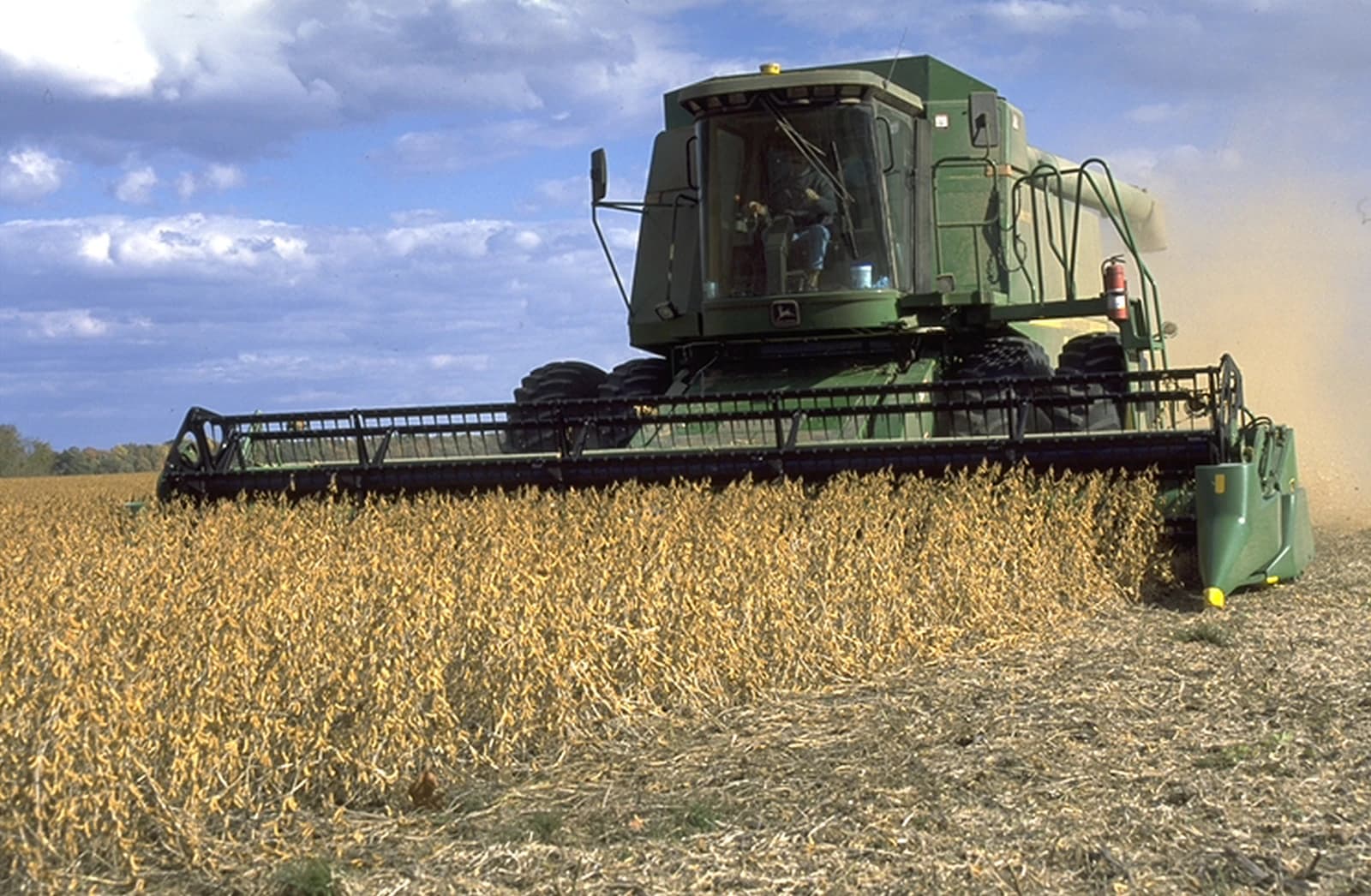
Brazil’s soybean planting is advancing faster than usual for October, but irregular rainfall across the Center-West is keeping growers and traders on alert because the next few weeks will help determine both soybean yields and the timing of the country’s second-crop corn and cotton.
Brazil Soybean Planting Runs Ahead of Season
Consultancy Itaú BBA said planting for the 2026/27 soybean crop had reached nearly 50% of the national area by October, putting Brazil ahead of the pace seen in the last five seasons. That reduces the risk of an excessively late sowing window in November, but the bank flagged uneven precipitation and falling soil moisture in parts of the Center-West as the main threat to the season.
Sentiment Indicators
The issue matters economically because Brazil is the world’s top soybean exporter and a key supplier of feedstock for animal protein, vegetable oils and biofuels. A smooth planting and harvest cycle helps protect output, keeps export flows on schedule and supports the follow-on planting of safrinha corn and cotton, which are critical to farm income and broader crop supply.
In Mato Grosso, the country’s biggest soy state, planting accelerated in the second half of October after farmers waited for more regular rain. Itaú BBA said that recovery lowered the chance of a widespread delay to the second crop, and that the area intended for next-season corn and cotton in the state was planted within the ideal window. That is important for investors because Mato Grosso often sets the tone for Brazil’s crop supply balance, freight demand and export cadence.
Paraná has also seen steady progress thanks to better soil moisture, though some areas have had excessive rainfall that could force replanting. The state’s wider planting window should limit the macroeconomic damage, but localized losses still matter for input suppliers and grain merchants exposed to execution risk rather than outright acreage loss.
Goiás and Mato Grosso do Sul remain dependent on continued rainfall, while Bahia, Tocantins and Maranhão only began to gather pace as the rains returned. Minas Gerais and São Paulo are running close to normal seasonal patterns, and Rio Grande do Sul is still at an early stage. That uneven picture keeps regional yield dispersion high, even if the national calendar remains broadly ahead of recent years.
The market is now focused on November. Meteorological models point to broader and heavier rainfall between Oct. 29 and Nov. 12, which would help restore soil moisture and support emergence. If that forecast holds, areas already showing signs of water stress could recover quickly and reduce the need for replanting. If it does not, the risk shifts from planting delays to crop stand quality and eventual yield loss.
For soybean prices, the Brazilian weather story arrives as U.S. futures are already under pressure from harvest progress and weaker crude oil, which has helped push Chicago soybeans to an 11-week low. That means the market has room to absorb some weather premium if Brazil’s rains falter, but a timely replenishment of moisture would likely keep global bean supplies comfortable and cap any recovery in prices.
For growers, the bull case is that November rains arrive on time, preserve the crop and keep second-crop planting on schedule. The bear case is that rainfall remains patchy in the Center-West, forcing replanting and compressing the window for corn and cotton, which would increase weather risk into 2027. Investors will be watching whether the rainfall forecast verifies, because that will decide whether Brazil’s soybean season remains merely uneven or becomes a larger supply problem.
| Entity | Gains | Losses |
|---|---|---|
| Brazilian soybean farmers | ▲Better yields if rain returns | ▼Replanting risk and soil stress |
| Second-crop corn and cotton growers | ▲Timely planting window | ▼Delays if soy harvest slips |
| Global soybean buyers | ▲More stable supply if weather improves | ▼Tighter supply if Brazil stalls |
| Chicago soybean bears | ▲Harvest pressure and weak crude | ▼Weather premium if Brazil dries out |