Soybean production in Maharashtra, India’s biggest kharif oilseed crop, is facing one of its worst seasons in years as drought-hit Marathwada districts report near-total crop failure, threatening farm incomes, local demand and loan repayment capacity across a key rural belt.
Maharashtra Soybean Crop Failure Hits Marathwada
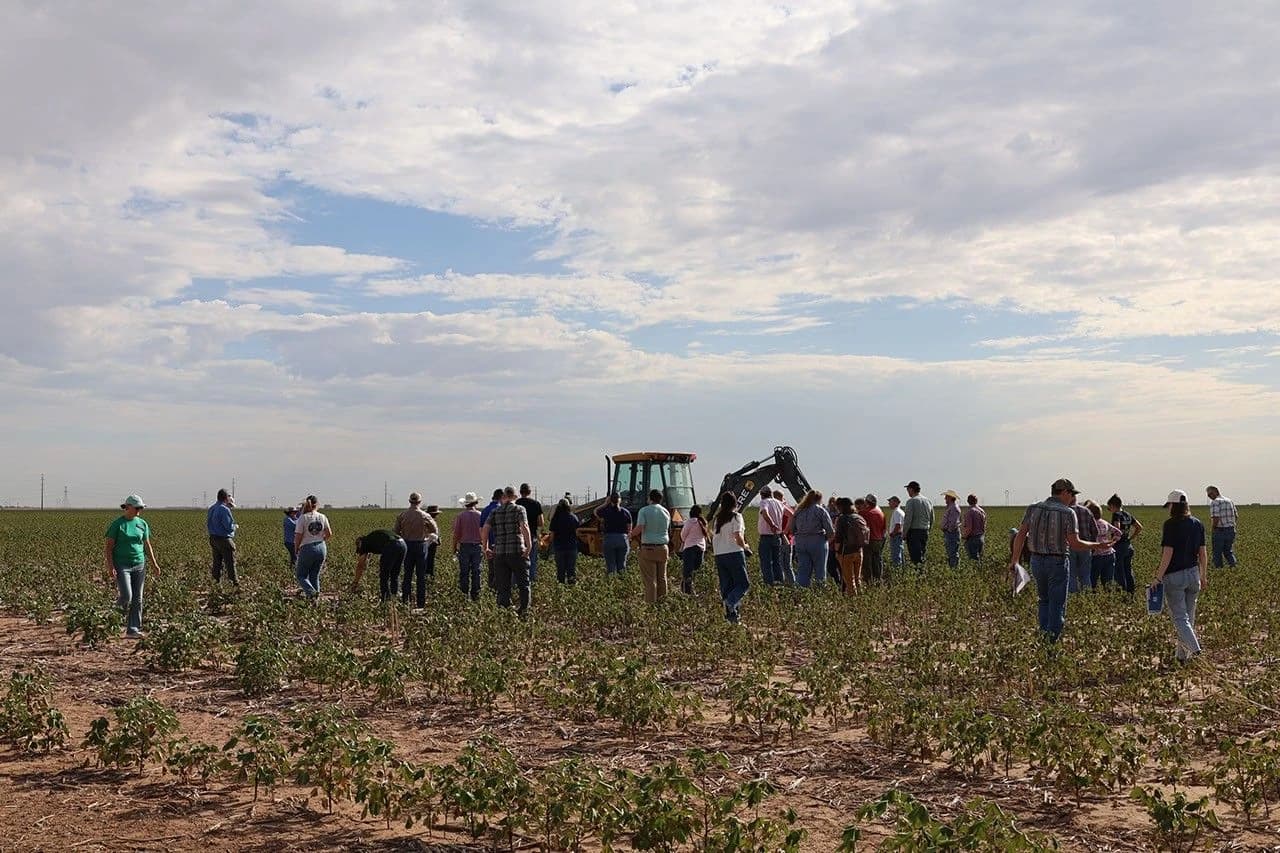
Farm assessors in Dharashiv found yields as low as 2.2 quintals per hectare on one farm, far below the 6 to 8 quintals a good crop can deliver, while in some fields the harvest was nil. Farmers and officials say the damage is broad-based across Marathwada, where about half of Maharashtra’s 49.5 lakh hectares of soybean area was planted this year.
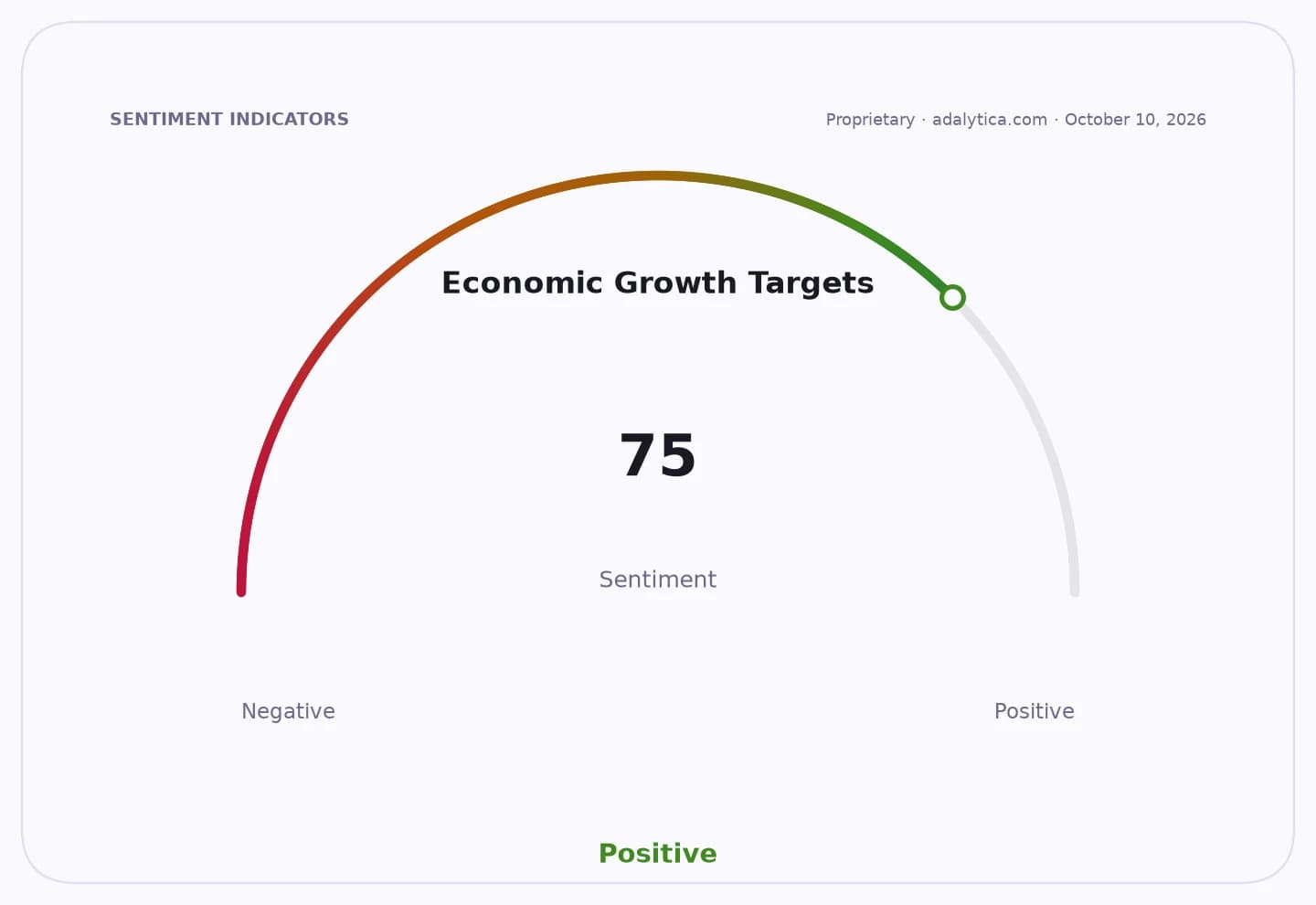
Sentiment IndicatorsⓘProprietary · adalytica.com · October 10, 2026
This is a snapshot — live sentiment, awareness and momentum for 130+ markets update continuously in the dashboard.Open AlphaPulse
The scale of the shortfall matters far beyond individual farms. Soybean is a cash crop for small and marginal growers, and a collapse in output in Marathwada would hit cash flow, push up demand for insurance claims and strain rural commerce from input dealers to truckers and local shops. Officials in the region said some crop-cutting experiments have shown empty pods and no marketable harvest at all.
The losses are being driven by a classic moisture-stress pattern in soybean, which is most vulnerable during flowering, pod formation and grain filling. Marathwada received just 445 mm of rain in the four-month monsoon period, well below the normal 679.5 mm, after getting 947 mm last year. Latur, one of the worst-hit districts, got only 362.7 mm, or 51.4% of normal, while Parbhani, Dharashiv and Beed also logged sharply deficient rainfall.
That leaves Maharashtra’s soybean belt exposed to a wider rural slowdown. A crop failure on this scale would reduce seasonal spending, weigh on repayment of farm loans and trigger a larger wave of insurance payouts, even as farmers who invested in seeds, fertiliser, labour and pesticides face little or no crop to sell.
Agriculture experts say the episode underscores the limits of rain-fed monocropping in Marathwada, where irrigation back-up is limited and delayed rain cannot make up for stress during later growth stages. Authorities say crop insurance will kick in for affected growers, but for many farmers the immediate issue is not compensation, it is whether they will have any harvest at all.
| Entity | Gains | Losses |
|---|---|---|
| Crop insurance providers | ▲More claims flow | ▼Farmers with failed yields |
| Soybean buyers/traders | ▲Possible lower local supply costs | ▼Processing and procurement volumes |
| Irrigation-ready farms | ▲Better relative resilience | ▼Rain-fed smallholders in Marathwada |
| Rural lenders/local merchants | ▲None significant | ▼Repayment and cash demand in drought-hit districts |