Texas cotton growers are confronting a more severe water shock than in previous droughts, with fields in the High Plains drying out so completely that some crops have simply died and irrigation wells have stopped working. The strain matters well beyond West Texas: it threatens the largest cotton-producing region in the U.S., tightens already scarce groundwater supplies and raises the odds of longer-term output losses if farmers cannot keep enough water in the ground to plant, irrigate and harvest.
Texas cotton drought worsens in High Plains
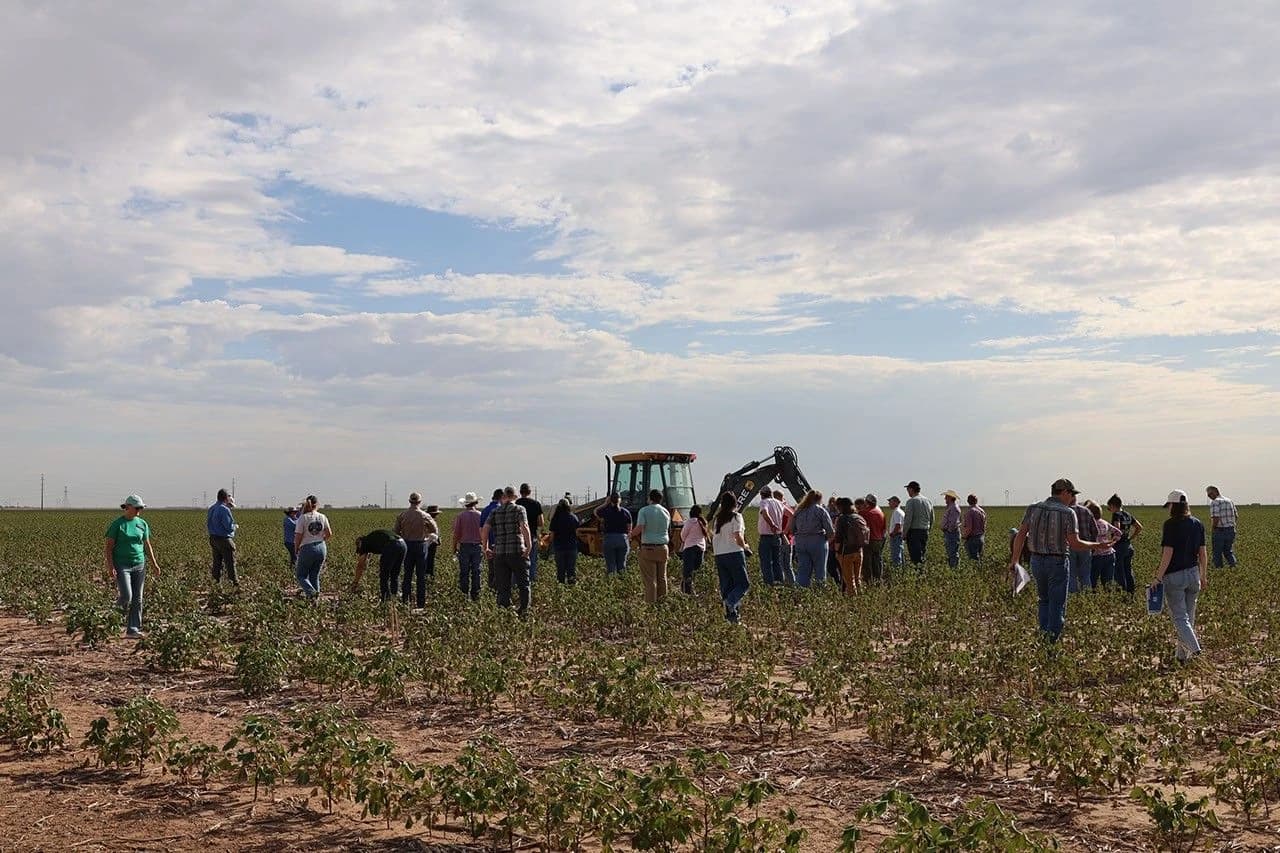
For decades, growers in the Texas High Plains have lived with brutal drought cycles that forced them to abandon huge shares of dryland cotton — 72% in 2022 and 66% in 2011 — but 2026 has pushed the region into unfamiliar territory. Lacy Cotter-Vardeman, a Lubbock County farmer whose family has worked the land for generations, said this was the first year cotton had “completely die,” with roughly 90% of her dryland crop dead. In some cases, her irrigation wells stopped working in August, underscoring how the drought is colliding with a much deeper structural problem: the aquifer the region relies on is running down.
Sentiment IndicatorsⓘProprietary · adalytica.com · October 10, 2026
This is a snapshot — live sentiment, awareness and momentum for 130+ markets update continuously in the dashboard.Open AlphaPulse
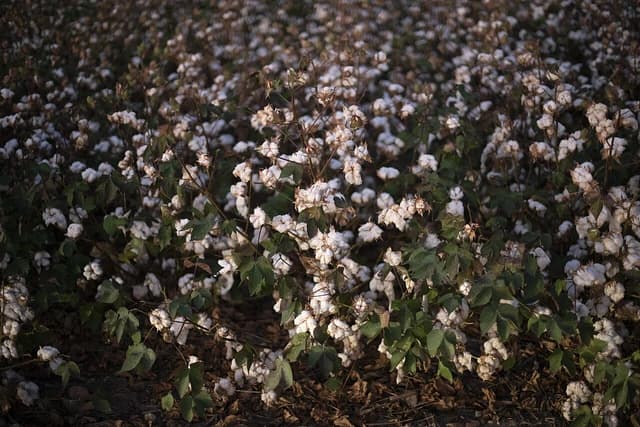
That aquifer decline is the real economic story. The Texas High Plains sits on the eastern edge of the High Plains aquifer, where the water table in much of Lubbock County has fallen 25 to 100 feet since 1950, while losses to the north have reached 150 feet or more in counties including Parmer, Castro, Swisher and Briscoe. Farmers have responded by irrigating only half or a third of some center-pivot fields, a visible sign that they are rationing a resource that is no longer reliable enough to support full coverage. In practical terms, that means lower planted acreage, weaker yields and higher per-bale costs — a combination that erodes farm income even when cotton prices are stable.
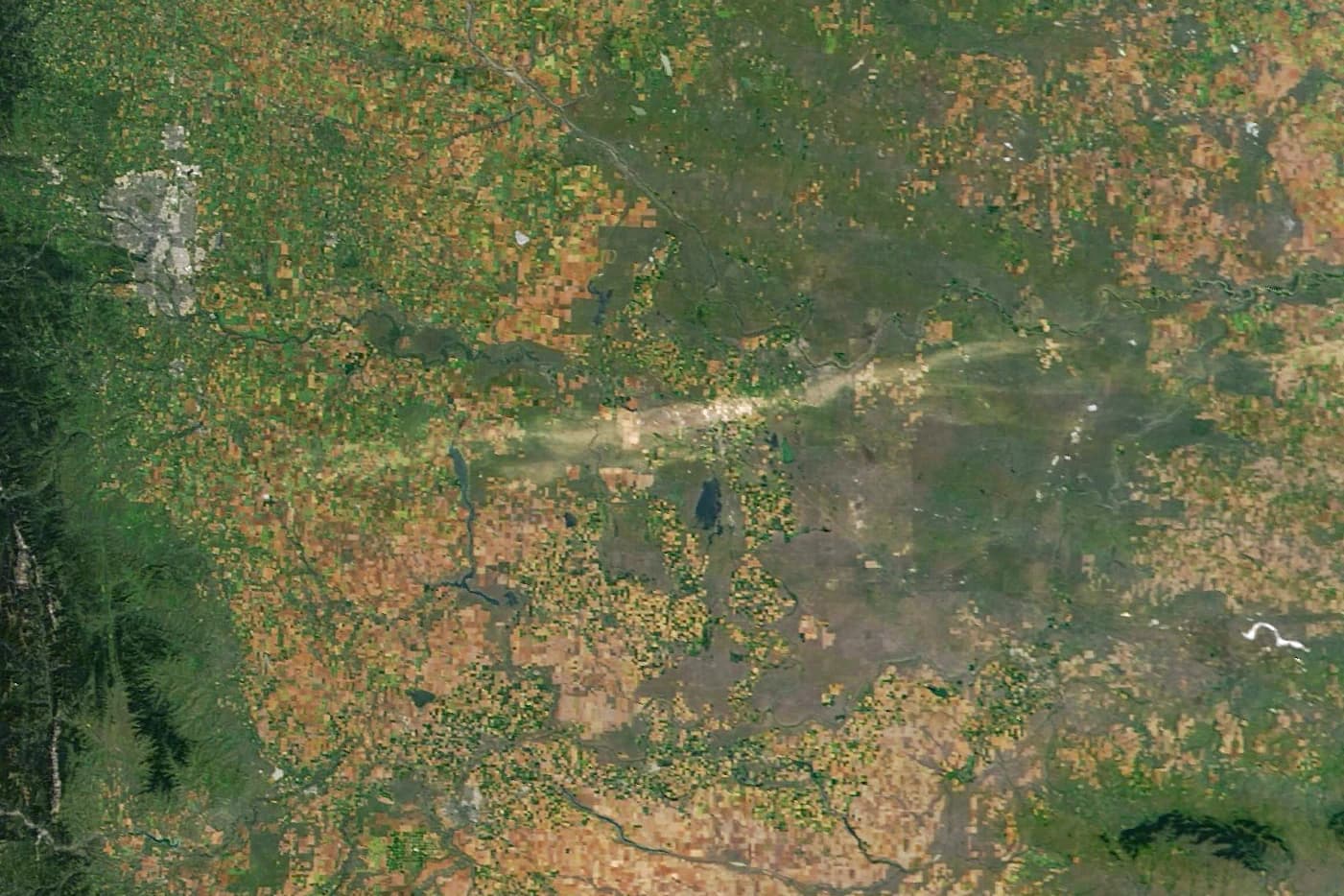
The drought is also exposing the fragility of the region’s natural recharge system. Playa lakes, which can help refill groundwater when they collect rainfall, were dry across much of the area in September 2026, reducing one of the few mechanisms that can slow aquifer depletion. About 80% of those features have been altered or buried, making it harder for the landscape to recover even when rains return. NASA and Texas Tech researchers have increasingly used satellite imagery and deep learning to track those changes because the problem is now large enough to be seen from space and costly enough that farmers cannot monitor it field by field.
There is some relief in the weather. September and October rains, helped by a strong El Niño pattern, have brought moisture back to parts of Texas, but the U.S. Drought Monitor says western Texas would still need more than 7 additional inches of rain over three months to end the current drought, with even more needed farther east. That gap matters because cotton is a seasonal crop with limited tolerance for prolonged water stress; rain after the fact can salvage some acreage, but it does not fully restore what was lost during the hottest part of the growing cycle.
For investors, the immediate market implication is not a direct read-through to broad commodities alone but a longer-duration supply and cost story. Persistent water shortages in the High Plains could keep U.S. cotton output volatile, support feedstock prices in stress periods and increase demand for irrigation technology, water management services, remote sensing and agronomic analytics. The broader agricultural complex has already shown how quickly drought shocks can move sentiment: WEAT, a cotton and grains-focused ETF, has been pressured alongside a softer tone in agricultural markets, while DBA, a broader agriculture fund, has traded above its 200-day moving average but has recently lost momentum, with RSI readings easing from overbought levels. Those market moves suggest traders are watching weather and crop stress, but the bigger fundamental issue is the shrinking margin for error in water-intensive farming.
There is also a policy and capital-allocation angle. Timmons-Sims, who stopped farming in 2007 as the aquifer deteriorated, now works on land conversion, water credits, alternative energy and conservation planning. That reflects where capital may be forced to go next: away from expansion and toward adaptation, whether through grassland conversion, sediment management, more efficient irrigation or data-driven planting decisions. NASA’s agricultural outreach, including its Acres program, is trying to turn satellite data into operating guidance for growers who increasingly need to decide not just what to plant, but whether there is enough water to plant at all.
The Texas cotton story, in other words, is no longer just about a bad season. It is about a region running into the physical limits of its water model, with drought accelerating a groundwater decline that has been building for generations. If rainfall stays uneven and aquifer levels keep falling, the next shock may be less about a single harvest and more about the viability of cotton production across whole counties.
| Entity | Gains | Losses |
|---|---|---|
| Water-tech and remote-sensing providers | ▲Higher demand for monitoring | ▼Traditional field practices |
| Farmers with access to irrigation credits | ▲Better odds of survival | ▼Dryland cotton growers |
| Cotton buyers and mills with diversified supply | ▲Supply flexibility | ▼Buyers reliant on Texas output |
| Texas High Plains aquifer managers | ▲Urgency for conservation policies | ▼Groundwater extraction intensity |