Corn producers in Venezuela are pressing the government to set a floor price that covers production costs, a demand that underscores how fuel shortages and currency distortions are eroding farm economics and threatening next season’s supply.
Venezuela corn producers seek higher floor price

Julio Manuitt, president of the Chaguaramas agricultural producers association in Guárico, said growers are receiving about $300 per ton at the official BCV rate, but after accounting for the exchange-rate gap they are effectively selling for $260-$270, below international benchmarks. That gap matters because it leaves producers unable to recover inputs, labor and logistics costs in a crop that is already exposed to climate volatility and weak infrastructure.
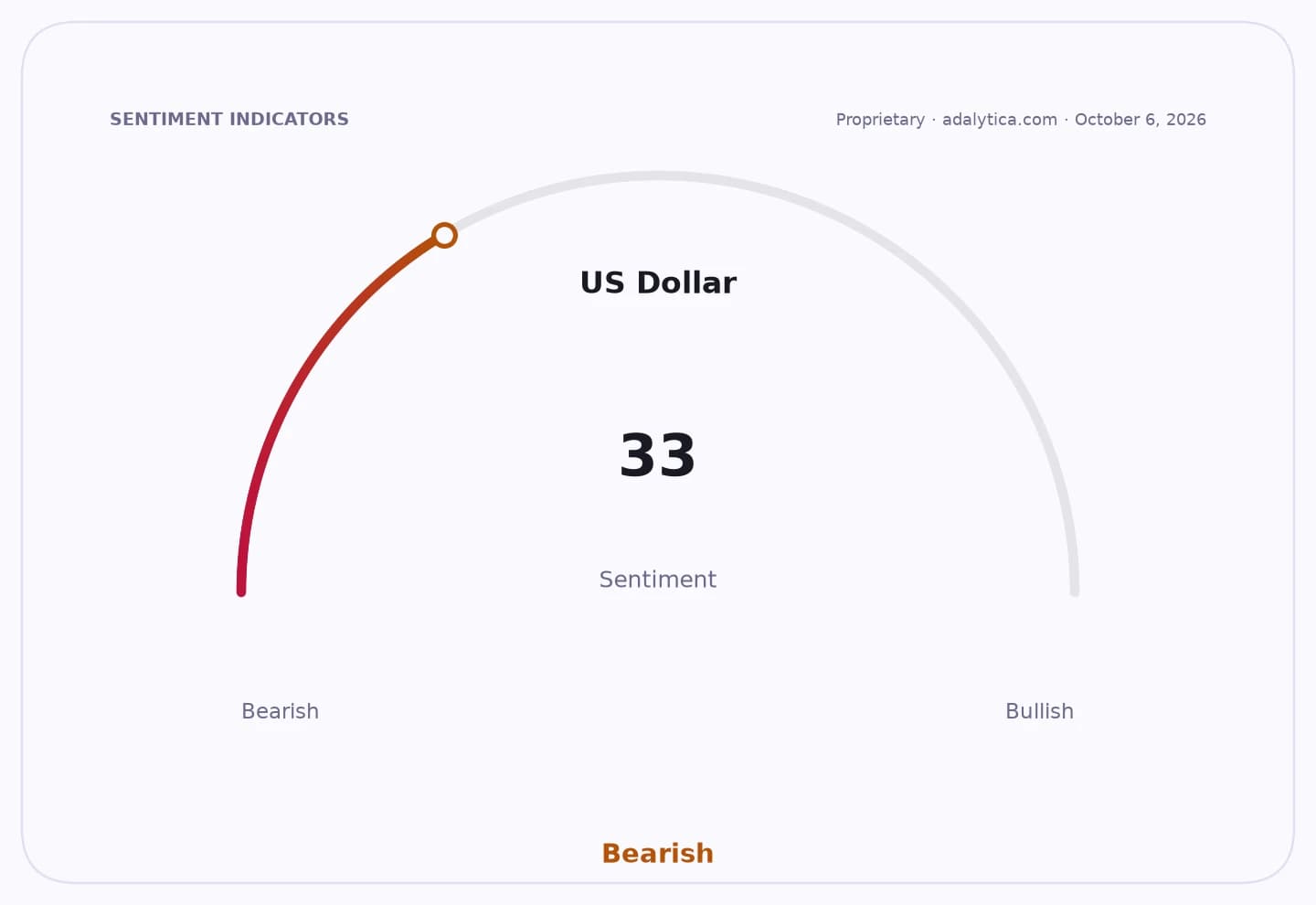
Sentiment Indicators
The immediate issue is not just farm profitability but supply continuity. When producers cannot secure diesel to move machinery, planting and harvest operations slow or stop entirely, reducing acreage and lowering domestic availability. In a country where food supply chains are already fragile, that can feed into broader inflation pressures and increase reliance on imports at a time of limited foreign exchange.
The complaint also highlights a familiar policy trade-off for governments in price-controlled agricultural markets: keeping food affordable for consumers versus ensuring farmers can survive long enough to keep producing. If official pricing stays below production economics, growers can cut back sowings, switch crops or exit the market, which ultimately tightens supply and can push retail prices higher anyway.
For investors, the story is less about listed exposure to Venezuelan corn than about regional agricultural risk and commodity import dependence. Persistent production stress in one producer market can raise volatility in local feed costs, pressure livestock margins and increase the need for imports from larger exporters if domestic output fails to recover. The mention of constant exports also suggests that domestic supply is already being pulled into trade channels at a time when local producers say the market is under strain.
The broader backdrop is a corn market that is already sensitive to weather, fuel availability and policy intervention. Adalytica’s Corn Fear & Greed Index is in fear territory, reflecting fragile sentiment even as global price moves remain driven by larger harvest and macro forces. In Venezuela, the combination of price gaps, climate damage and fuel scarcity is creating a more immediate problem: whether farmers can keep planting at all.
| Entity | Gains | Losses |
|---|---|---|
| Corn producers | ▲Higher administered prices | ▼Margins squeezed by costs |
| Consumers | ▲Potentially stable prices | ▼Risk of future shortages |
| Government | ▲Short-term price control | ▼Pressure to subsidize inputs |
| Feed buyers/importers | ▲Possible access to imports | ▼Higher supply uncertainty |