A Basque wheat program built around local sourcing, crop rotation and water savings is helping small farmers earn more predictable income in a crop where conventional market prices often leave them squeezed.
Herriko Ogia wheat program lifts Basque farm income
That is the real investment lesson from Herriko Ogia, the 2013-backed wheat chain in the French Basque Country: when commodity agriculture gets more volatile, farmers that can organize around a premium, local market tend to be the ones that survive and reinvest. In an era of higher climate risk and tighter margins, the story is not just about bread. It is about whether small producers can capture more of the value chain instead of handing it away to middlemen and global pricing swings.
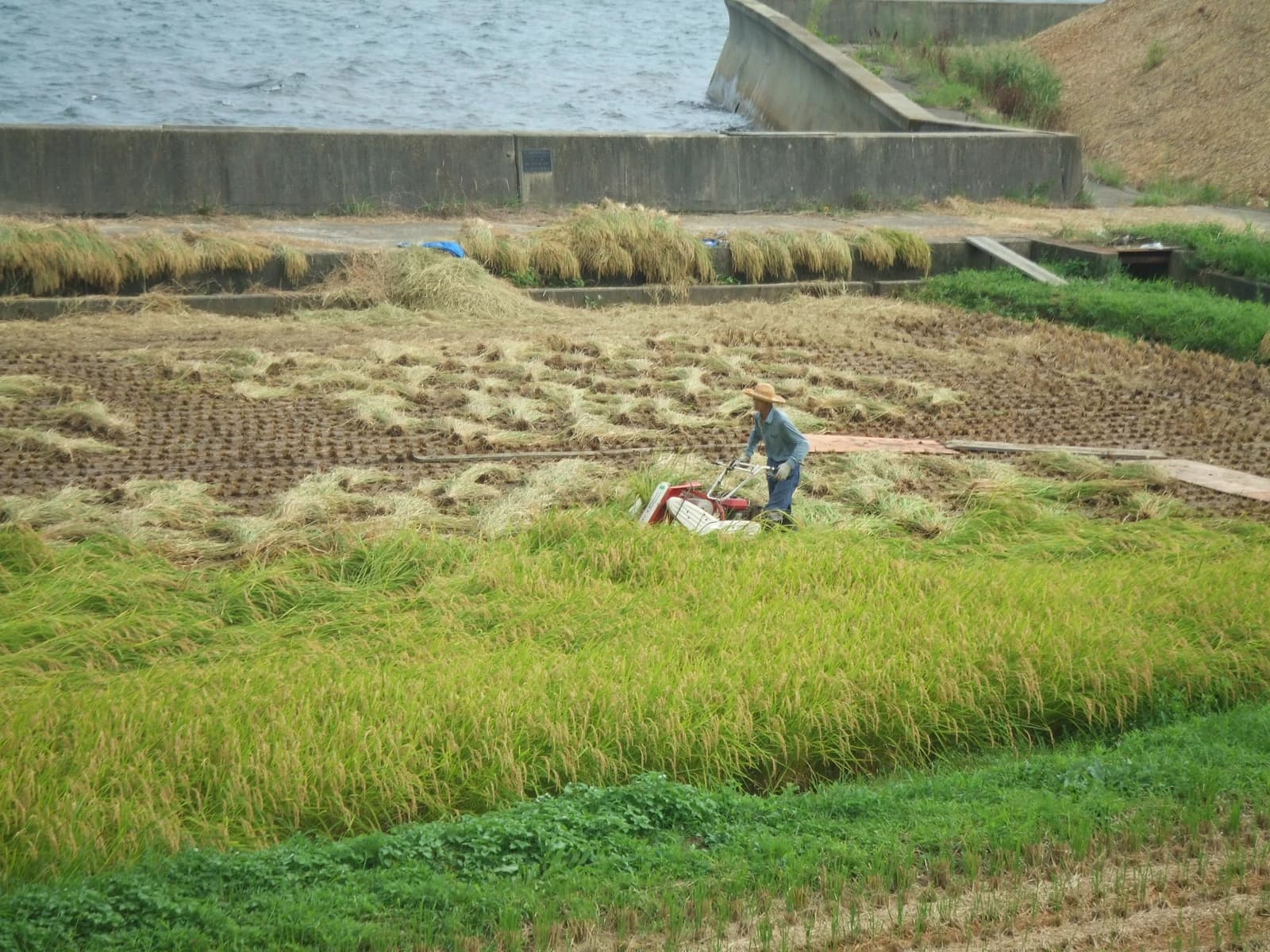
Serge Gestas, a farmer near Bayonne, says he would never have started growing wheat without the Herriko network. The program pays what he describes as a clearly better price than the open market, which matters in a region where wheat is naturally less competitive. On his 80-hectare farm in Domezain-Berraute, only three hectares are devoted to wheat, and he says the crop yields about half as much as corn in the humid Basque climate.
That is exactly why the model matters economically. Herriko gives farmers a floor, not a gamble. For small and midsized farms, that kind of price certainty can be more valuable than chasing maximum output in a commodity market where weather, fertilizer costs and global grain benchmarks can crush margins. The wheat is also rain-fed, a meaningful advantage as water becomes scarcer and irrigation costs rise. By avoiding irrigation, the system reduces pressure on groundwater and helps farmers adapt to dry spells without adding a large new expense.
The program is small but disciplined. It now includes 23 producers cultivating between 110 and 150 hectares of bread wheat. The rules are strict: at least two varieties must be mixed on the same plot, crop rotation is mandatory, insecticides and growth regulators are banned, and fungicides and herbicides are used sparingly. The grain is stored near Espiute, milled in Mauléon and sold to local bakers, keeping more economic value inside the region.
For investors, the broader takeaway is that food supply chains are increasingly being reshaped by traceability, resilience and local branding. Those themes can support pricing power for niche producers, specialty millers and regional food businesses even when commodity prices are soft. In the public markets, that is the kind of dynamic that can favor companies exposed to differentiated food sourcing and branded distribution over pure bulk-grain exposure.
The same lesson applies to the agricultural sector more broadly: the farmers and businesses that win over the next decade will not just be the biggest. They will be the ones that use water more efficiently, diversify crops, prove quality and lock in dependable demand. Herriko wheat may be a local solution, but the strategy behind it is universal. For long-term investors, it is worth watching how much of agriculture can move from volume to value.
| Entity | Gains | Losses |
|---|---|---|
| Herriko producers | ▲Better pricing stability | ▼Commodity-market volatility |
| Local bakers | ▲Traceable regional supply | ▼Cheaper bulk sourcing |
| Small Basque farms | ▲Diversified income | ▼Monoculture dependence |
| Conventional grain traders | ▲Limited relevance | ▼Margin capture on bulk wheat |