Jordan’s latest wheat tender matters because it shows a major import-dependent buyer returning to the market just as global grain prices are under pressure from harvest supply and weak demand, offering support to exporters and traders after a period of thin buying.
Jordan wheat tender draws market attention
Traders said Jordan issued a tender to buy as much as 120,000 metric tons of milling wheat, a routine move in itself but one that can sway sentiment in a market where Chicago wheat has been struggling to hold gains. The contract bid comes after wheat prices have drifted toward a 3½-month low, reflecting ample nearby supply and uncertainty over how much import demand will emerge from key buyers.
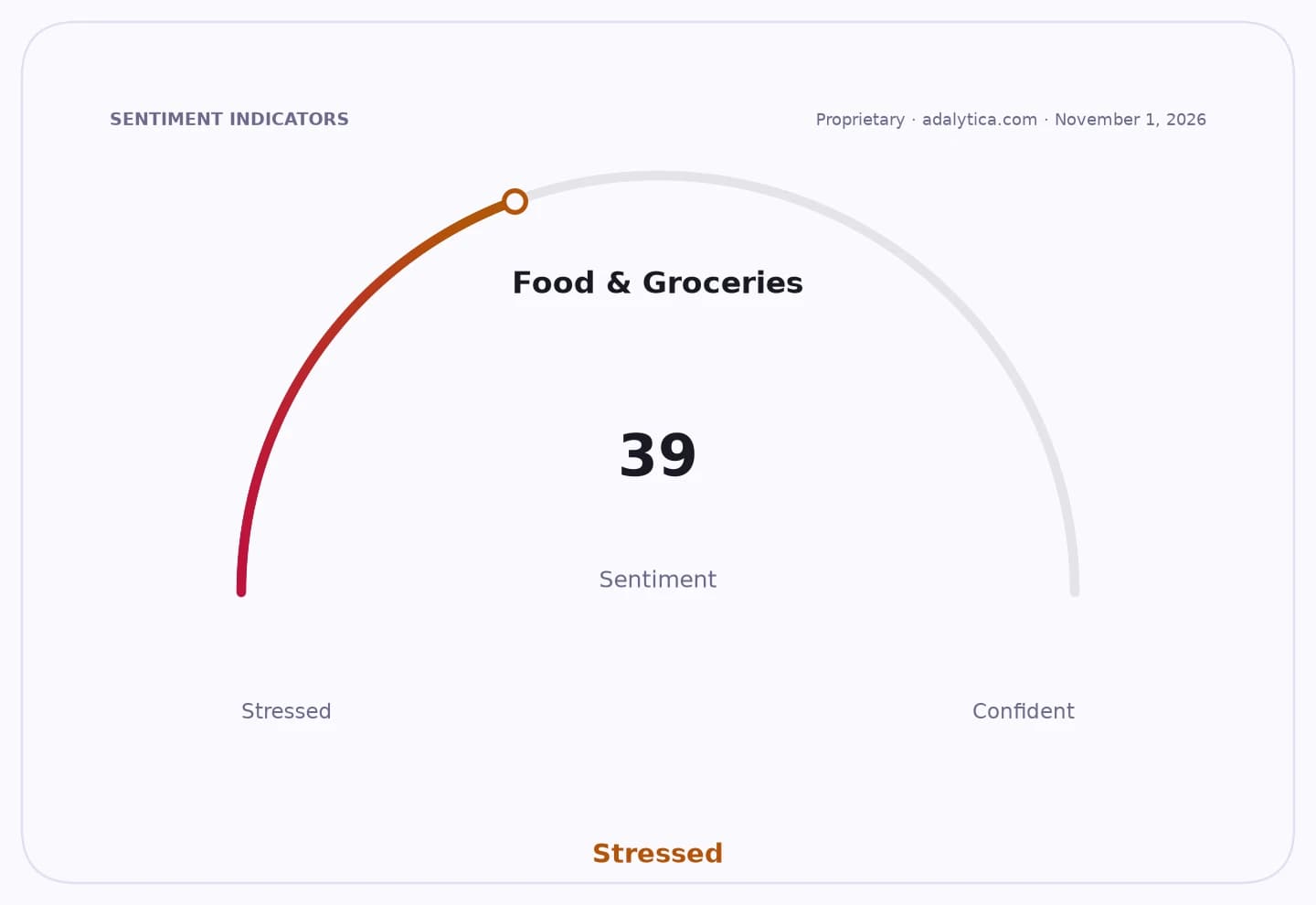
Sentiment Indicators
For exporters, the tender is important because government purchases from the Middle East can quickly absorb cargoes and tighten nearby availability. For importers, it is a reminder that food security agencies are still active in a market where softer prices have improved buying opportunities. The tender also arrives against a backdrop of climate volatility that threatens wheat quality and planting conditions in producing regions, keeping longer-term supply risks in view even as spot prices ease.
The market reaction is being watched closely because Jordan’s tenders often provide a signal for broader demand from North African and Middle Eastern buyers. If the tender clears at competitive prices, it could help stabilize futures and physical premiums. If buying interest is weak or offers come in too high, it would reinforce the bearish tone that has weighed on wheat and related grain contracts.
Wheat futures and grain-linked funds have already shown the strain of that backdrop. The WEAT exchange-traded fund has fallen to around $21.73, well below its 50-day moving average of $24.78, while Corn has slipped back to $17.19. Both are reflecting a market that remains technically weak, with the wheat ETF’s RSI in deeply oversold territory and momentum indicators still negative. That suggests traders have been positioning for more downside even as any surprise purchase could trigger a short-covering bounce.
The tender also has implications for agribusinesses and food processors. Grain merchants, exporters and handlers benefit if demand reappears at scale, while buyers such as flour millers and livestock feed users would prefer the current softer price environment to persist. Large agricultural traders and processors, including Archer-Daniels-Midland, have exposure to the same price cycles through merchandising margins and commodity inventory values.
For now, Jordan’s move is best read as a test of whether the recent price decline has finally drawn enough demand back into the market. The result will help shape near-term sentiment for wheat, but the broader balance between harvest pressure, government buying and climate risk is likely to keep volatility elevated into year-end.
| Entity | Gains | Losses |
|---|---|---|
| Jordan | ▲Lower procurement costs | ▼Waits if offers are too high |
| Wheat exporters/traders | ▲Fresh demand and cargo flow | ▼Weak bids if buying is thin |
| Speculative shorts | ▲More downside if tender disappoints | ▼Short-covering rally if demand clears |
| Grain importers/food buyers | ▲Better pricing opportunity | ▼Higher costs if tender tightens market |