Demand for wheat made from Ata seeds is rising in Turkey’s Alucra district, a reminder that even in a market where global wheat prices are under pressure, consumers still pay up for authenticity, local sourcing and natural production.
Turkey Ata Wheat Demand Rises in Alucra
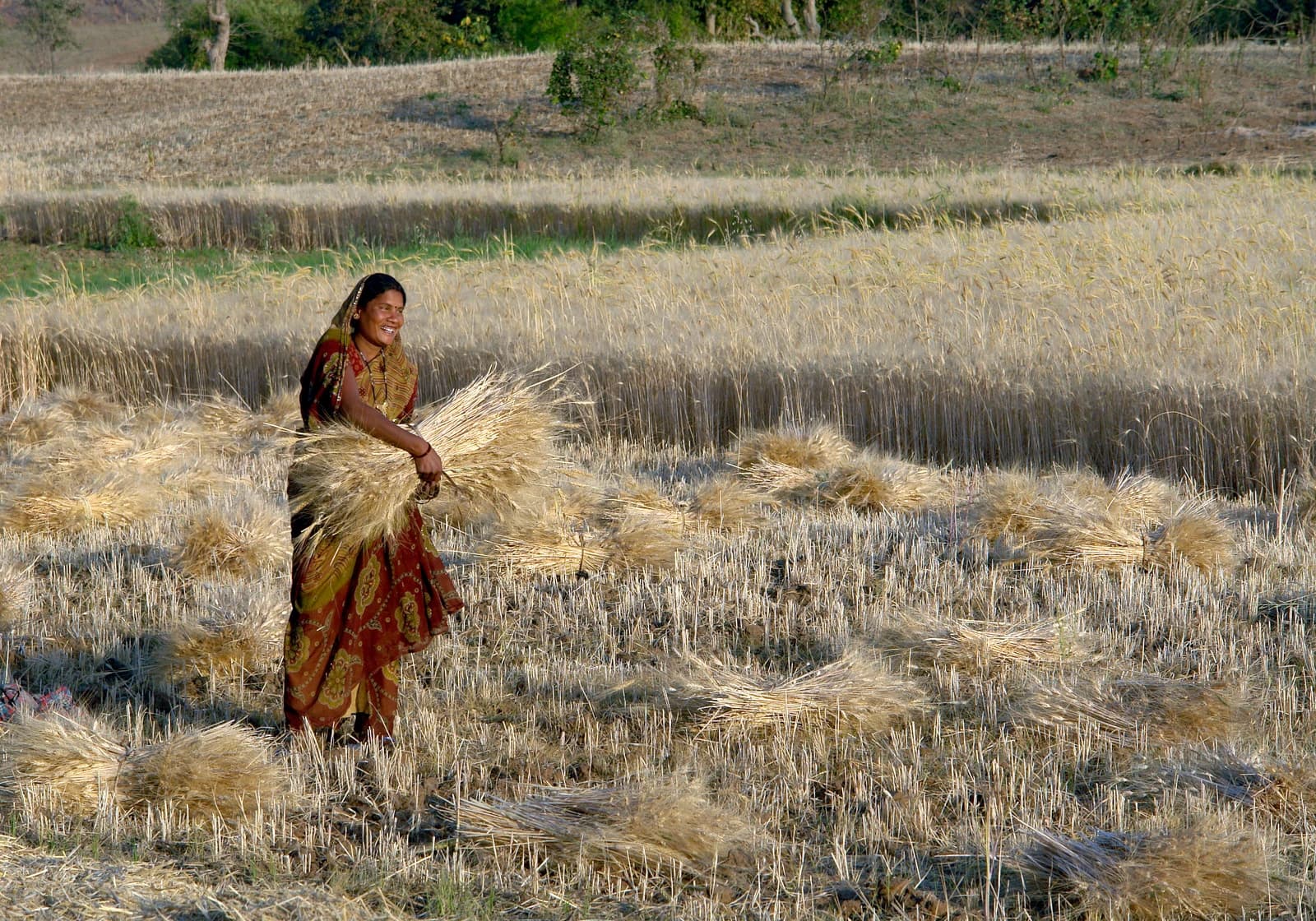
For investors, that matters because wheat is not just a bulk commodity. It is also a branded, differentiated food product when farmers can prove origin, quality and method. In this case, producer Ali Kaymakçı says he started planting heritage “ata” seeds to meet his own household needs, then expanded after neighbors asked for more of the flour milled in a historic water mill in Subaşı village. He grows the wheat without chemical fertilizer and sells to local residents looking for natural flour.

That kind of micro-demand does not move global benchmark prices, but it does show where value can be added in agriculture: on provenance, not scale. The premium attached to traditional varieties and small-batch processing can help rural producers defend margins even when commodity wheat is oversupplied. It also highlights a broader food trend investors should not ignore — consumers increasingly reward traceable, minimally processed staples, especially in markets where food quality and household budgets are both under pressure.
The timing is notable. Global wheat prices in Paris have eased on expectations of stronger exports from Russia and Ukraine, while broader wheat supply concerns persist in parts of South Asia and elsewhere. At the same time, wheat futures tracked by the WEAT exchange-traded product have been volatile, with the fund trading at $23.09 on Oct. 21 after peaking near $26 in July. The 50-day moving average now sits above the latest price, and RSI readings have dropped into oversold territory, reflecting a softer technical backdrop for wheat-linked assets.
Still, the long-term takeaway is not about chasing a single price move. It is about recognizing that food demand is changing at the margins, and those margins can matter. Heritage seeds, local milling and chemical-free production do not replace the global wheat complex, but they can create resilient income streams for small farmers and niche opportunities for processors, distributors and brands that can authenticate quality.
For long-term investors, the message is simple: the wheat trade remains cyclical, but demand for trusted, locally produced food can be durable. That makes the Ata-seed story worth watching — not as a commodity headline, but as a sign of where agricultural value may increasingly be created.
| Entity | Gains | Losses |
|---|---|---|
| Local Ata-seed growers | ▲Higher demand, better pricing | ▼Limited scale |
| Neighboring buyers | ▲Natural, locally milled flour | ▼Higher costs than bulk wheat |
| Wheat commodity traders | ▲Volatile trading opportunities | ▼Softer benchmark prices |
| Large industrial flour buyers | ▲Lower input costs | ▼Less pricing power in premium niches |