Certified wheat seed is being handed to farmers in Çanakkale, a small local move that matters because it is aimed at lifting yields, stabilizing supply and reducing Turkey’s exposure to volatile grain markets.
Turkey Distributes Certified Wheat Seed in Çanakkale
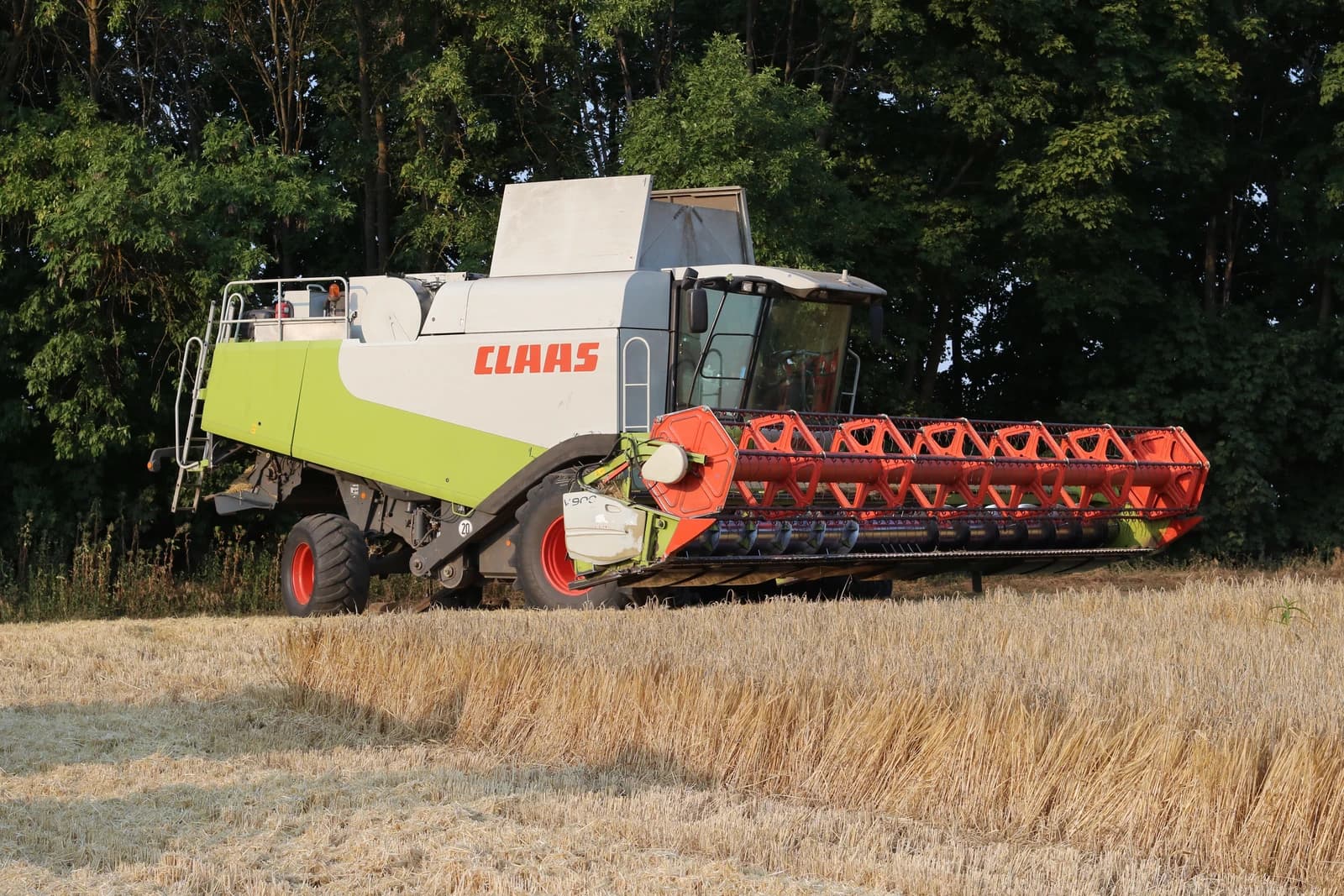
The provincial agriculture directorate distributed 62,500 kilograms of Esperia-certified wheat seed to 55 producers across Gelibolu and Eceabat, enough to cover 2,780 decares of farmland under a governor-backed program to expand certified wheat cultivation. That is the kind of upstream intervention that can improve productivity long before grain reaches the market, and it lands at a time when food costs remain sensitive globally and wheat prices continue to react to weather, geopolitics and supply shocks.
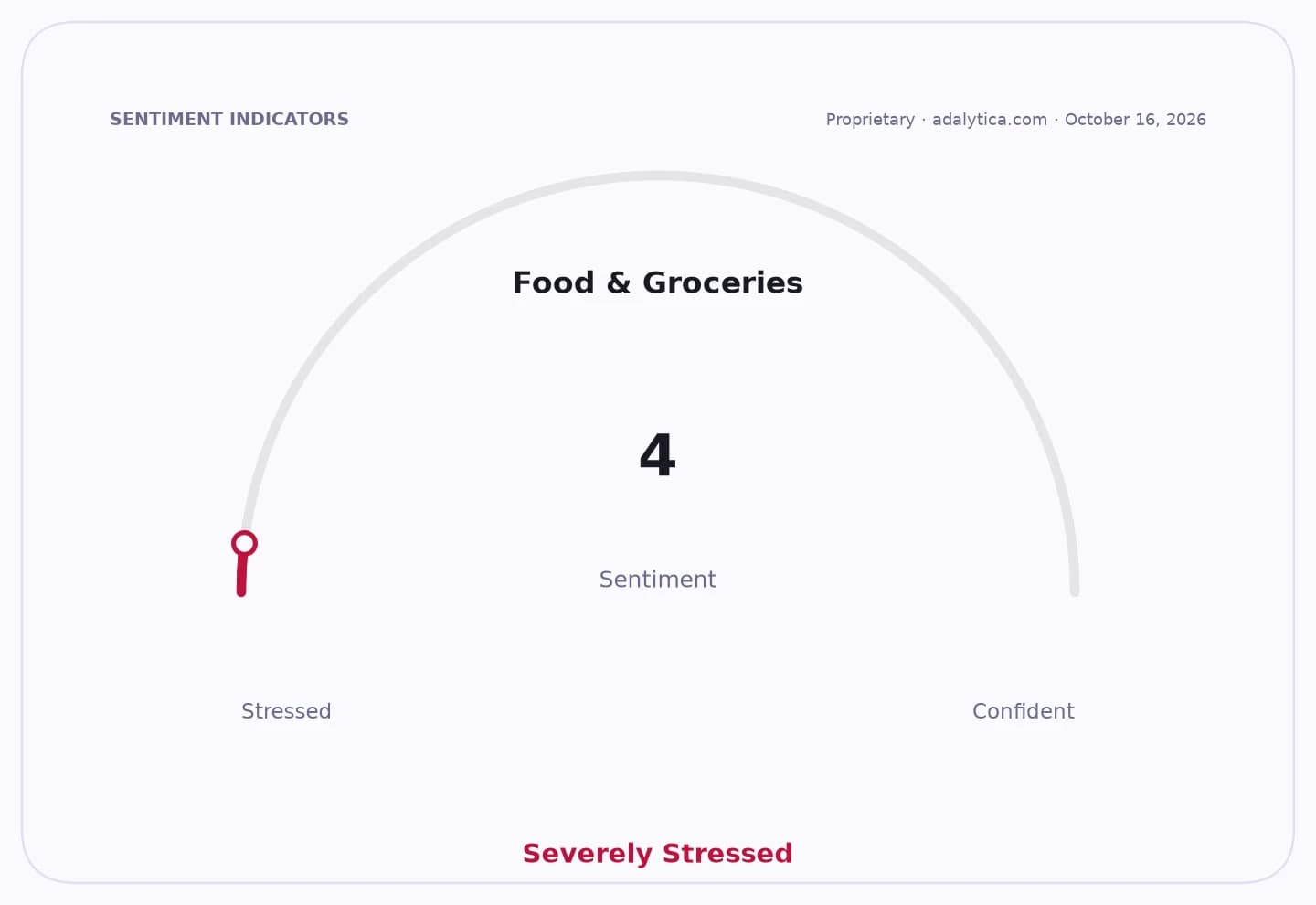
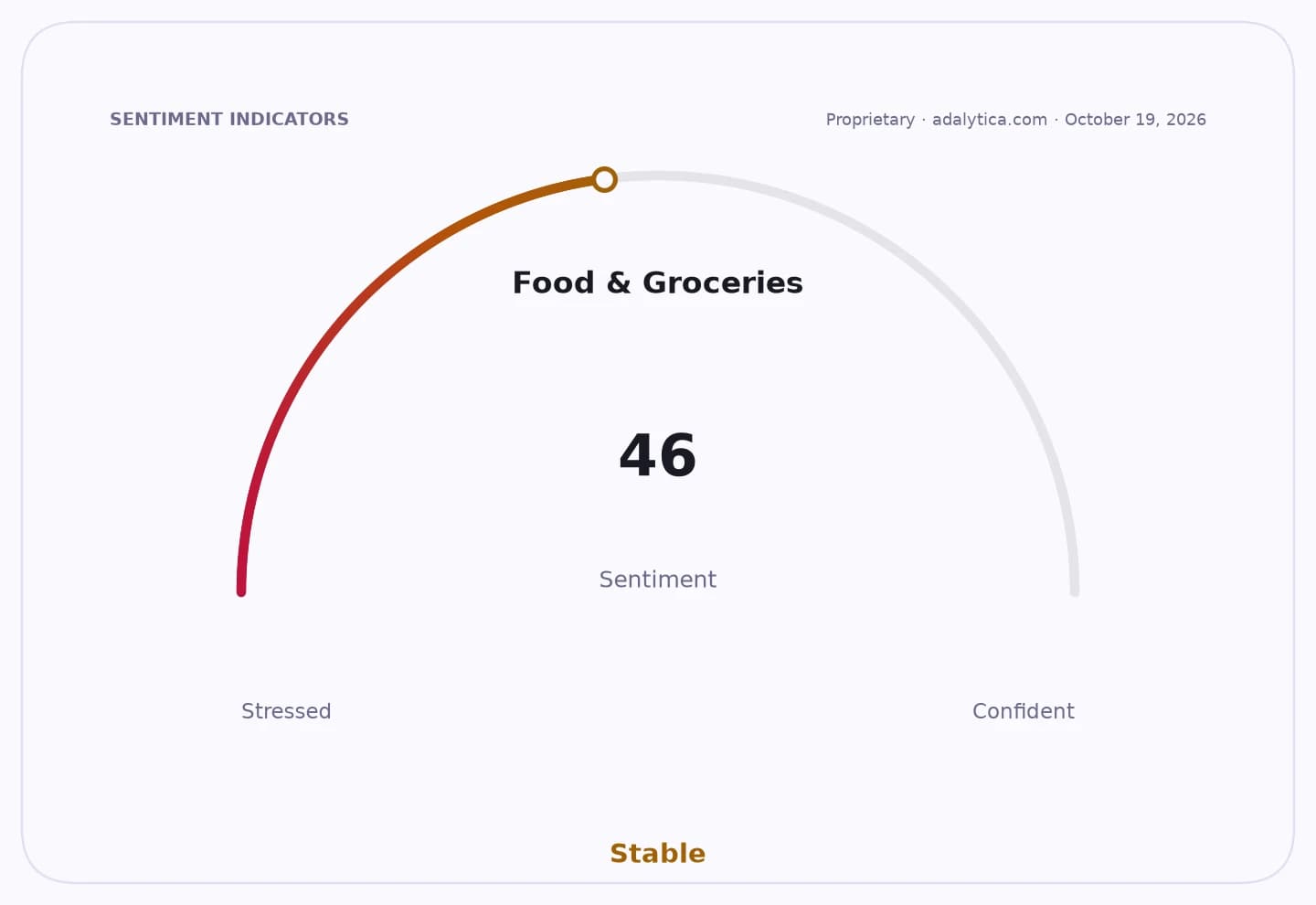
Sentiment IndicatorsⓘProprietary · adalytica.com · October 20, 2026
This is a snapshot — live sentiment, awareness and momentum for 130+ markets update continuously in the dashboard.Open AlphaPulse
For investors, the story is not the seed handout itself but the economics behind it. Governments that subsidize certified seed are trying to raise farm output per hectare, improve crop uniformity and cut the risk of weak harvests. In a region where food inflation is politically and economically important, even modest gains in domestic wheat productivity can ease pressure on imports, millers and downstream food producers. It also underscores why agribusiness inputs — from seed and fertilizer to storage and logistics — remain durable beneficiaries of the global drive for food security.
The market backdrop keeps that thesis alive. Wheat prices have been volatile, with U.S. wheat futures recently trading below their spring peaks and still well above levels seen in much of the last decade, while energy costs continue to affect farm economics and fertilizer affordability. That combination makes state support for higher-quality seed especially relevant: when input costs and grain prices swing sharply, productivity becomes the easiest lever to protect margins.
This is why the larger opportunity sits in the food supply chain, not just in crop prices. Seed programs like Çanakkale’s tend to support agribusiness names with exposure to farm inputs, grain handling and processing, while they can eventually pressure import-dependent buyers if domestic production improves. In public markets, that keeps companies such as Archer-Daniels-Midland and other global grain handlers in focus, alongside wheat-linked products like the WEAT ETF for investors trading the crop cycle itself.
The likely takeaway is straightforward: Turkey is still treating wheat as a strategic commodity, and certified-seed distribution is part of a broader food-security playbook that should keep agricultural inputs and grain infrastructure in the investable spotlight. If the program expands beyond Çanakkale, the second-order winners will be the suppliers that sell the tools to raise yield, not the farmers alone.
| Entity | Gains | Losses |
|---|---|---|
| Çanakkale farmers | ▲Higher yields, lower seed risk | ▼Less reliance on saved seed |
| Turkish food system | ▲Better domestic supply security | ▼Import dependence eases |
| Seed and input suppliers | ▲Higher demand for certified inputs | ▼Low-quality seed sellers |
| Wheat importers | ▲— | ▼Lower need if output rises |