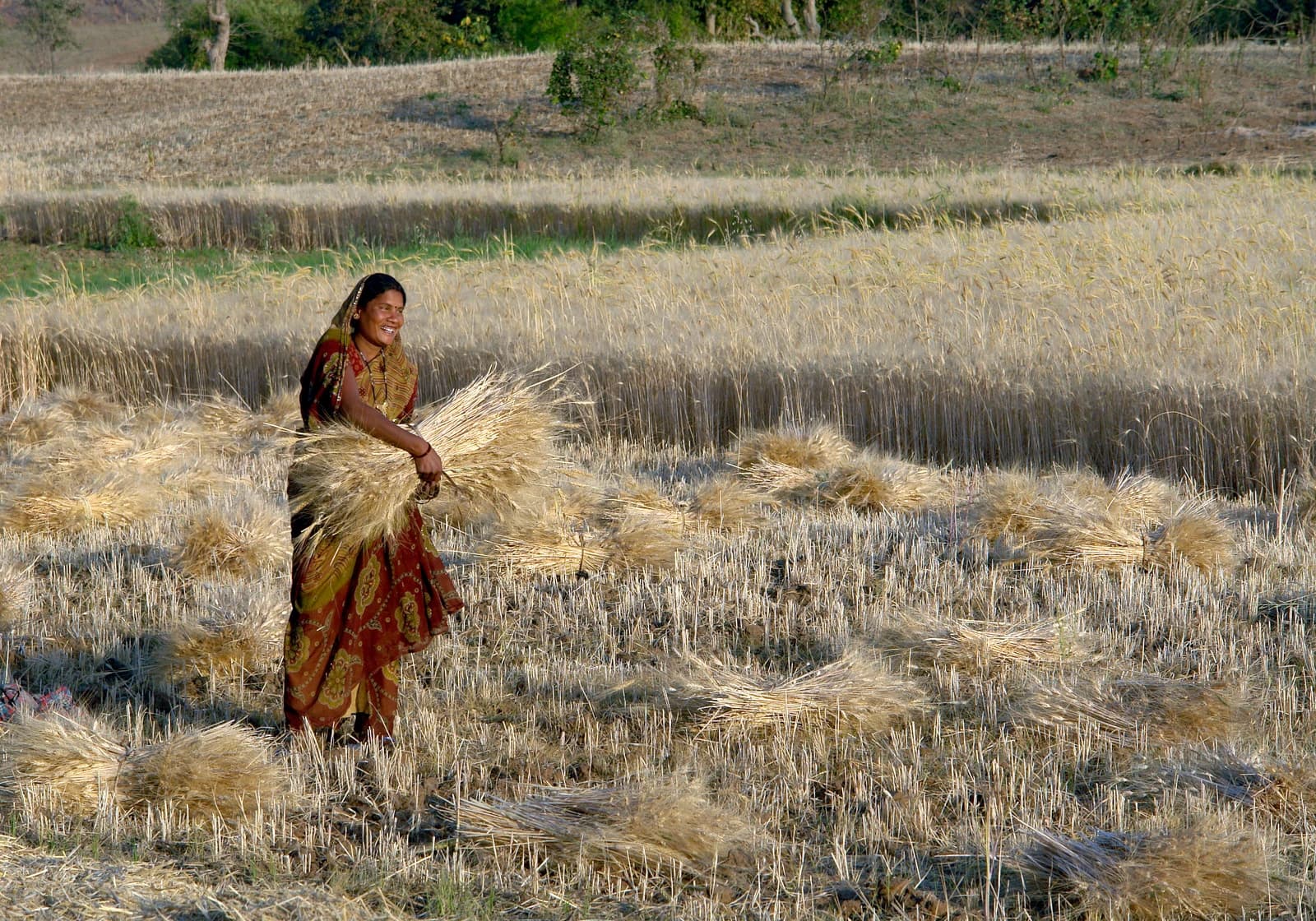
Rare wheat varieties are turning into a premium-income play for farmers, with some traditional strains fetching as much as ₹200 to ₹235 a kilogram and drawing strong urban demand for health-focused and specialty foods.
India premium wheat varieties fetch higher prices
That matters because the story is not really about wheat in bulk; it is about value creation in agriculture. In a market where standard grain economics often leave growers exposed to thin margins, premium varieties such as emmer, locally known as khapli, Sharbati, Lokwan, Durum and Bansi can command prices that are several times higher than ordinary wheat. For farmers with the right soil, climate and agronomy, that changes wheat from a volume crop into a high-margin niche business.
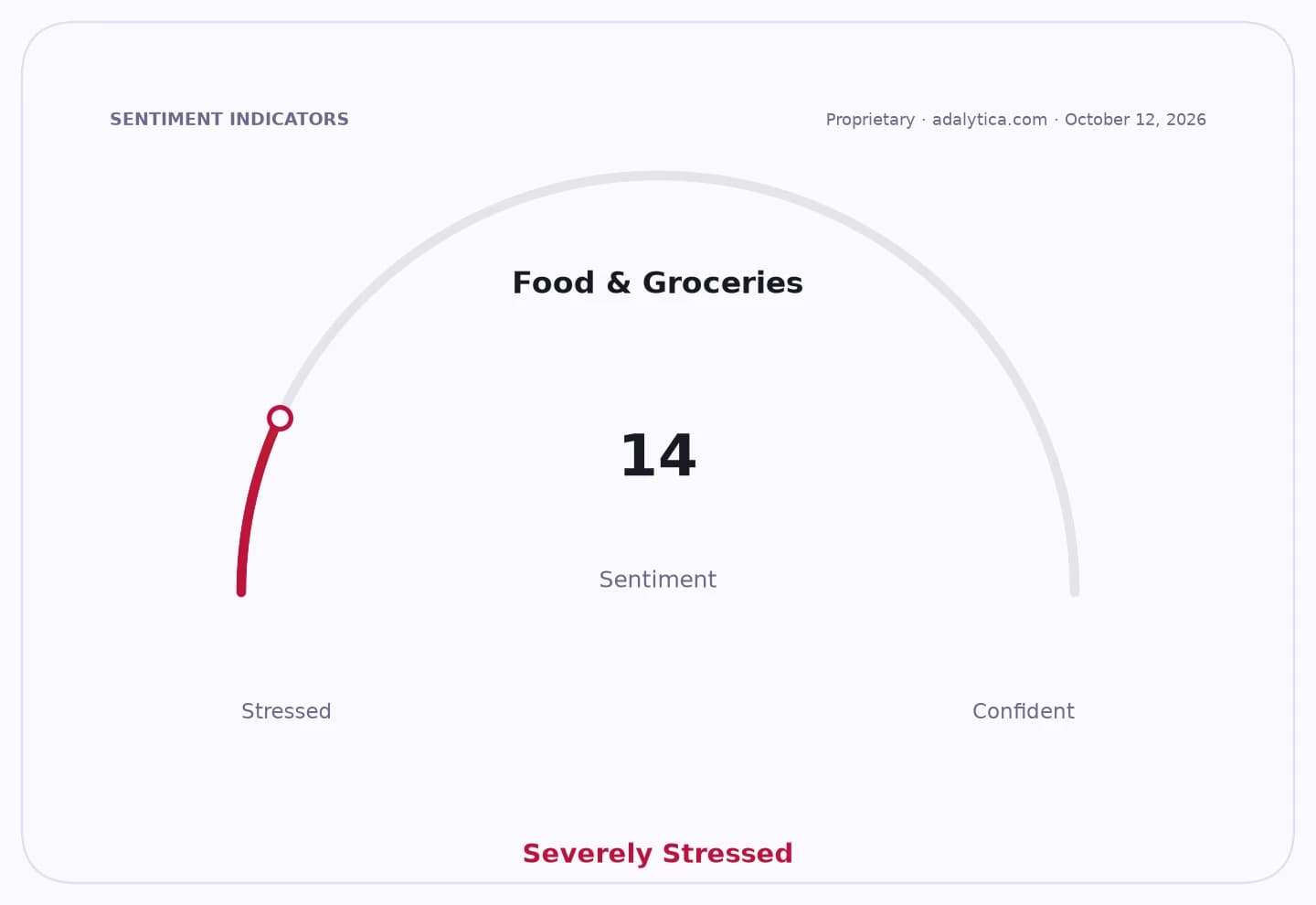
Sentiment IndicatorsⓘProprietary · adalytica.com · October 21, 2026
This is a snapshot — live sentiment, awareness and momentum for 130+ markets update continuously in the dashboard.Open AlphaPulse
The strongest economics belong to emmer wheat, priced around ₹200 to ₹235 a kilogram, reflecting low yields, labor-intensive cultivation and rising consumer interest in higher-fiber, lower-gluten foods. Sharbati, another prized variety, sells for roughly ₹60 to ₹80 a kilogram, while Lokwan trades near ₹124 and Durum around ₹70 to ₹90. Bansi, a traditional desi variety, fetches about ₹80 a kilogram. These are not just price points; they are signals of a market where differentiated crops can outperform commodity benchmarks.
The implication for investors is clear: the real opportunity sits in the picks-and-shovels of specialty agriculture, not just the farm gate. Premium wheat economics support demand for certified seed, agronomy services, storage, processing, branded staples and packaged health-food products. They also reinforce a broader trend already visible in grain markets, where supply-demand shifts and trade flows keep prices volatile. Chicago wheat futures remain sensitive to import demand, while global wheat markets are being shaped by softer European prices, stronger export expectations from Russia and Ukraine, and rising import bills in countries such as Azerbaijan.
That backdrop is why the wheat trade still matters even when the headlines are local. In India, farmers who can reliably produce premium grain have a path to better returns, but only if they execute on soil selection, timing, irrigation and post-harvest handling. The article’s agronomic advice underscores the real barrier to entry: these crops reward precision, not just acreage. That scarcity is exactly what sustains pricing power.
For investors, the takeaway is to look past plain-vanilla wheat exposure and toward the ecosystem around specialty grains. Agricultural input providers, grain processors, branded food companies and commodity funds tied to wheat all stand to benefit differently as premiumization spreads and global wheat supply remains uneven. The market may still treat wheat as a cyclical staple, but the better thesis is that high-end varieties are becoming a structural margin story.
If this trend deepens, the next catalyst will be more acreage shifting toward premium varieties and more branded distribution aimed at health-conscious consumers. The early money is in the infrastructure that makes those crops viable and marketable.
| Entity | Gains | Losses |
|---|---|---|
| Farmers growing premium wheat | ▲Higher realizations | ▼Lower-yield risk |
| Seed and agri-input suppliers | ▲More specialty demand | ▼Commodity-only pricing |
| Food processors and brands | ▲Premium product margins | ▼Bulk wheat margins |
| Standard wheat growers | ▲Limited upside spillover | ▼Relative pricing power |