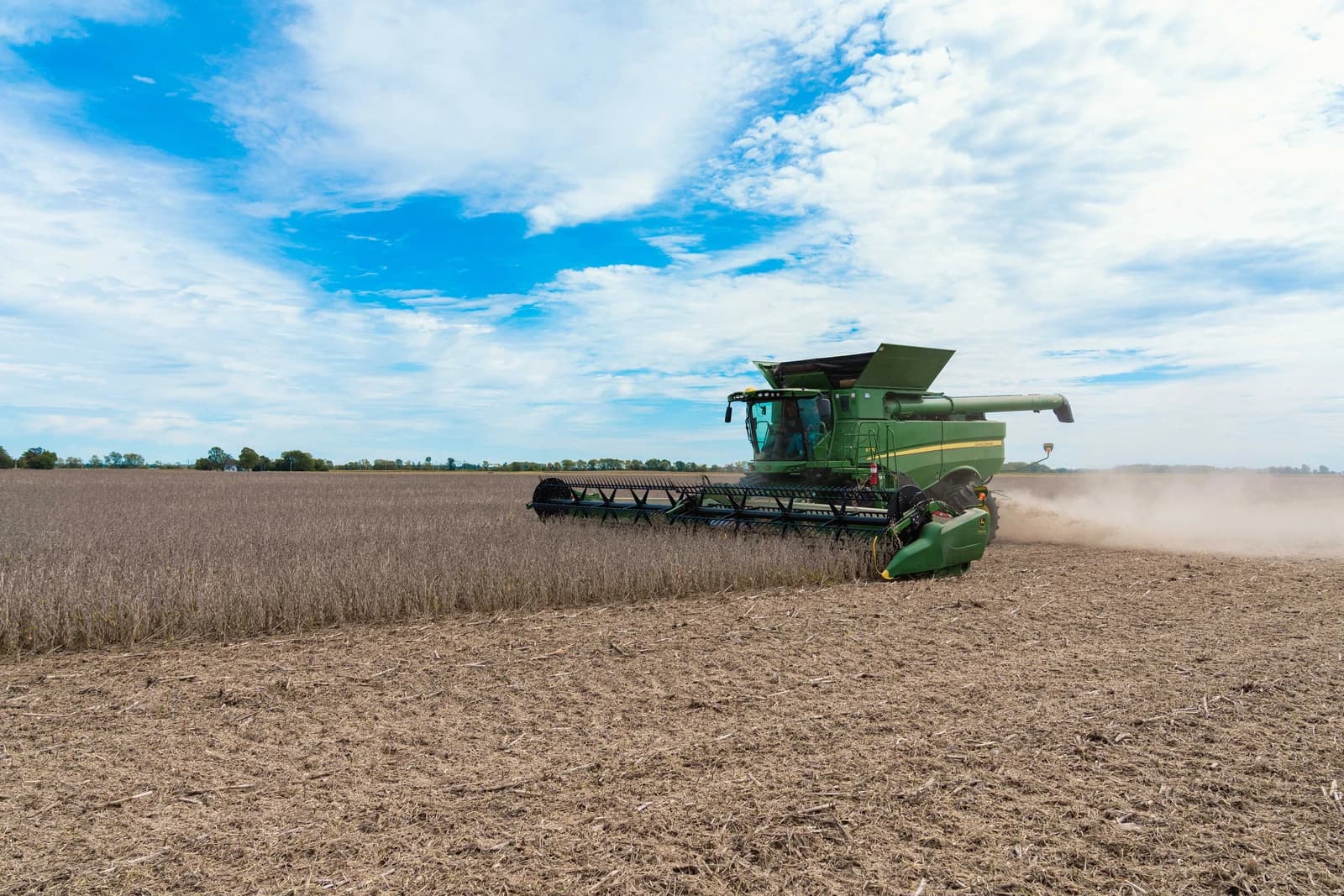
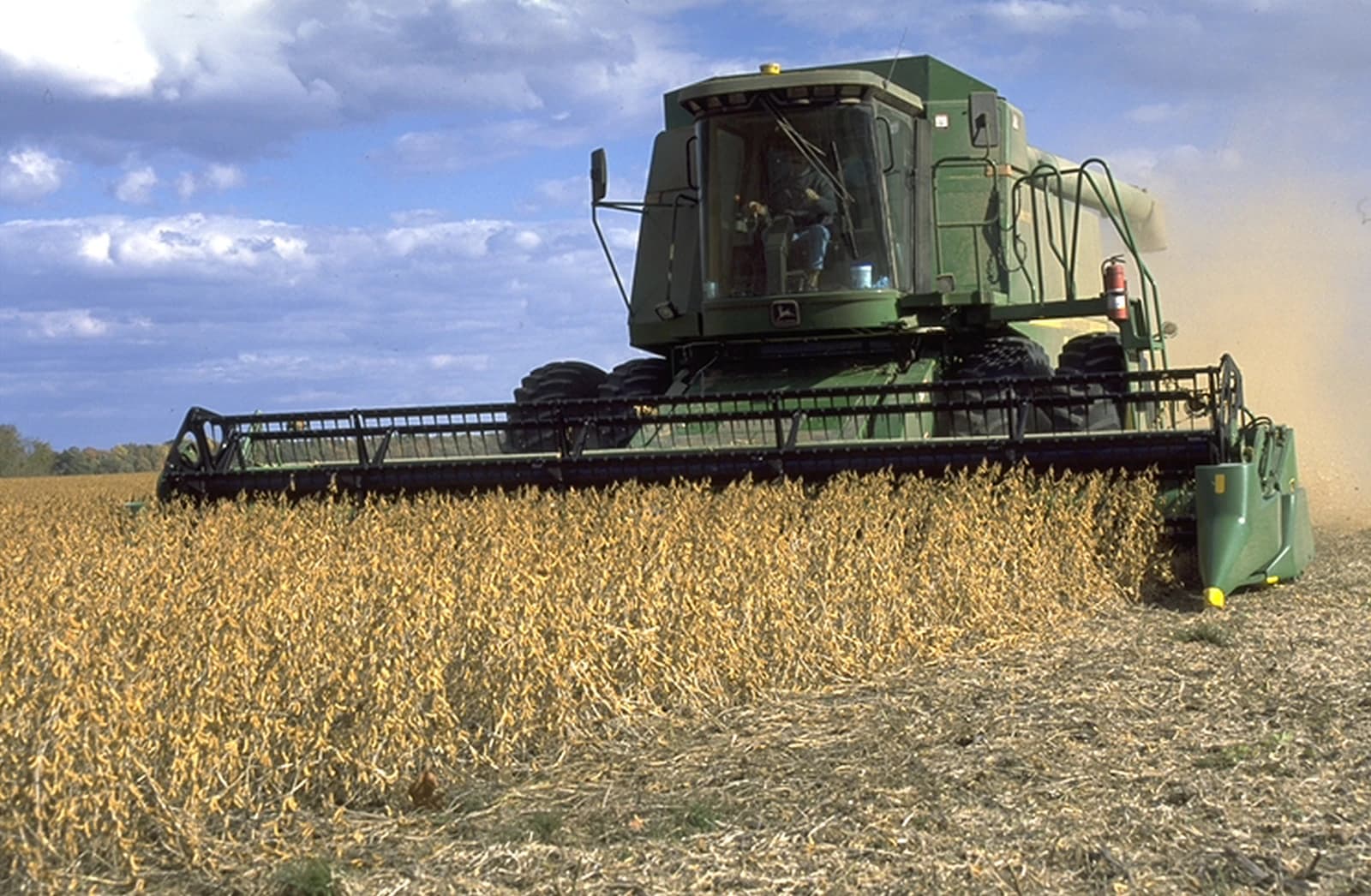
Corn futures suffered their sharpest monthly drop since June 2023 in October as a larger US harvest, weaker export demand and easing fears over Black Sea supply disruption knocked prices down from a three-year peak.
Corn futures fall 10.6% in October on harvest
The move matters because corn sits at the center of global feed, fuel and food costs. A 10.6% monthly decline is not just a weather-driven correction; it reflects a shift in the market balance from supply anxiety to a more comfortable near-term outlook, with implications for animal feed buyers, ethanol producers and grain merchants that had benefited from tighter supply expectations earlier in the year.
Sentiment Indicators

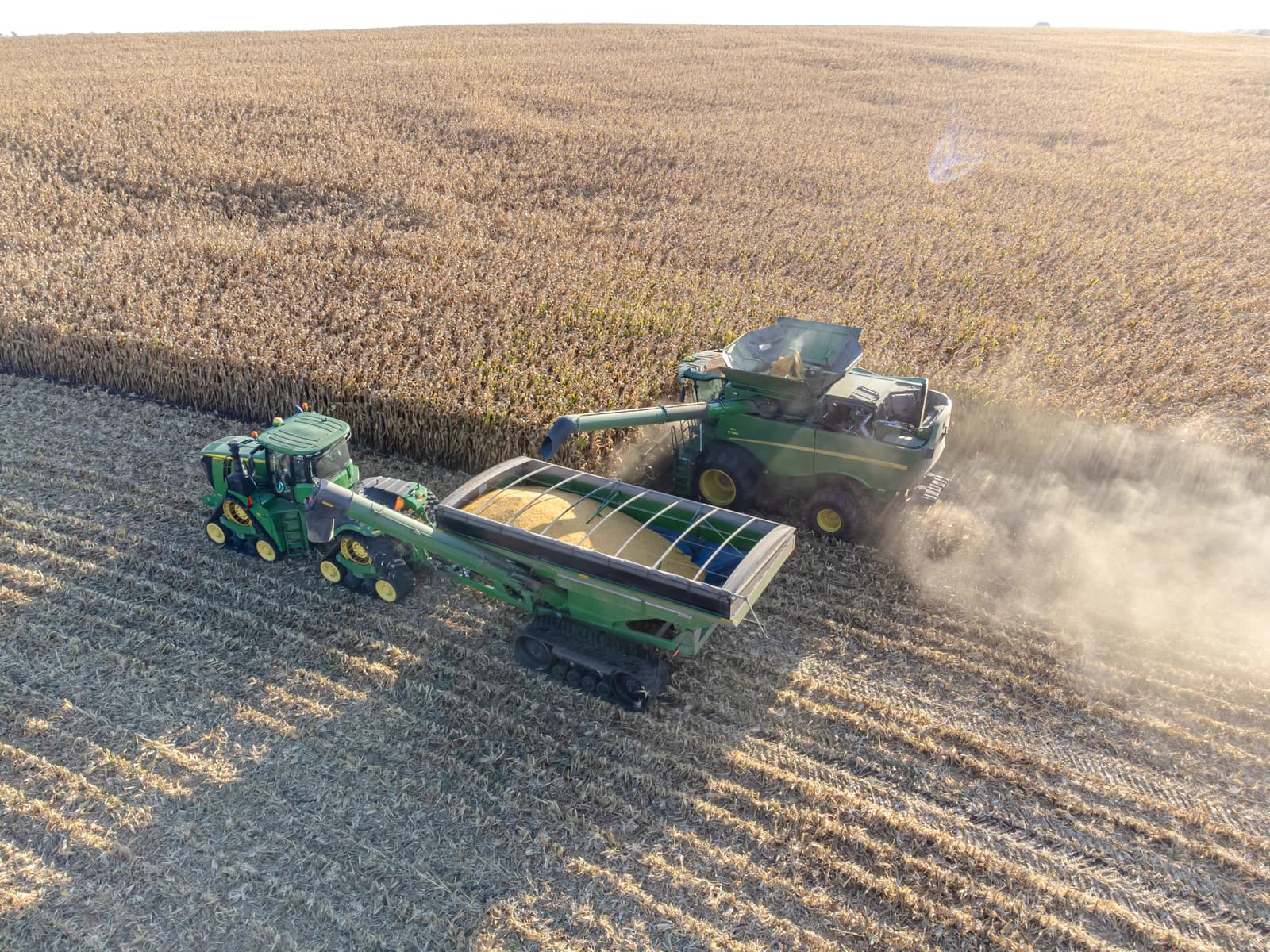
Prices had climbed to about $5.50 a bushel in September, the highest in three years, on worries about energy costs, fertilizer availability and El Nino-related crop stress. That rally proved difficult to sustain. By late October, the US Department of Agriculture said 60% of the crop had been harvested, adding physical supply to the market just as weekly export data pointed to roughly a 15% drop in shipments, according to Saxo Capital Markets strategist Ole Hansen.
The Black Sea has also become a swing factor again. Expectations of a possible ceasefire there have reduced concern that war-related disruptions will constrain exports from one of the world’s key grain corridors. If those flows improve, global buyers may have less need to chase US supply, further pressuring prices.
Positioning aggravated the decline. Hedge funds that had built record net-long exposure in August turned into aggressive sellers as the rally lost momentum, turning a seasonal harvest pullback into a sharper liquidation. That matters for investors because commodity prices often move faster when crowded trades unwind, especially when fundamentals stop confirming bullish bets.
The immediate question is whether the drop marks the start of a broader downtrend or just a pause after a violent rally. Hansen said a lasting rebound would likely require evidence of stronger physical demand or a new supply shock. For now, the market is being pulled by the opposite forces: harvest season, softer exports and a less acute geopolitical risk premium.
For agribusiness companies, the decline is a mixed blessing. Lower corn prices can ease input costs for livestock, ethanol and food makers, but they also reduce revenue for growers and grain handlers exposed to the downside in cash markets. Traders will now watch whether export demand stabilizes and whether Black Sea developments continue to unwind the premium that had supported prices for much of the year.
| Entity | Gains | Losses |
|---|---|---|
| Livestock and feed buyers | ▲Lower input costs | ▼Less urgency to hedge |
| Ethanol and food producers | ▲Cheaper corn feedstock | ▼ |
| Grain merchants and farmers | ▲ | ▼Lower selling prices |
| Short sellers / bears | ▲Price correction profits | ▼More volatile unwind risk |