A new inflation wave is building from energy into food and consumer goods, and the market still looks underprepared for how long it could last. The World Bank’s latest commodity outlook points to a 23% jump in prices of major raw materials in 2026, led by a 32% surge in energy, with food and fertilizers still rising into 2027 as Middle East conflict, shipping disruption and climate stress keep supply chains tight.
World Bank Sees Higher Commodity Prices in 2026
That matters because this is no longer just an oil story. It is a broad cost shock that hits factories, farms, freight and retail pricing all at once. Brent is projected to average $91 a barrel in 2026, up from $69 in 2025, before easing to $79 in 2027 if geopolitical risks do not worsen. But the World Bank also warns that supply could fall 5.2% next year, the biggest drop in more than four decades outside the pandemic, while demand only slips 2.5%. That gap points to further draws on inventories and leaves the market vulnerable to another spike if the Middle East, Russian infrastructure or key maritime chokepoints deteriorate again.
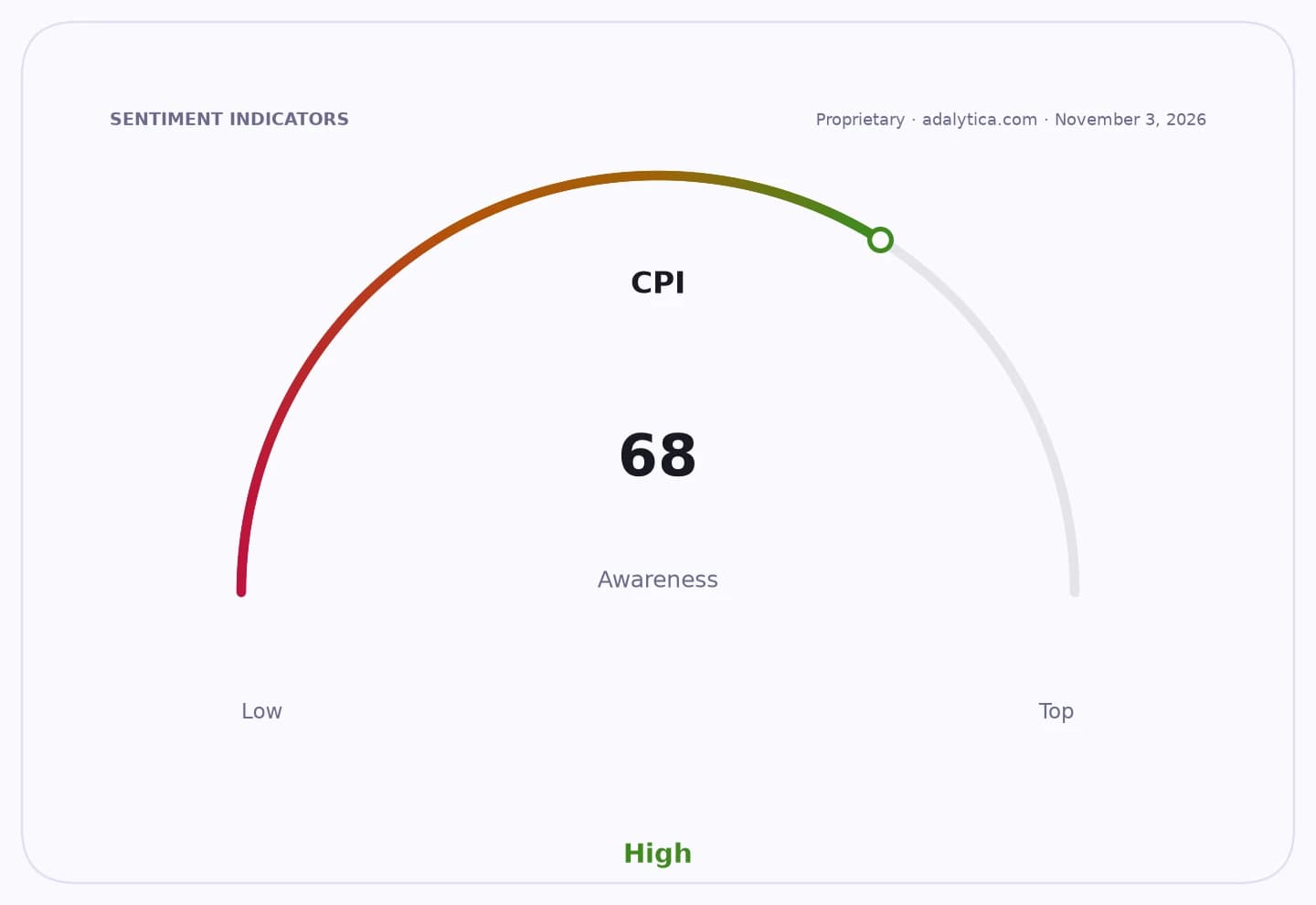
Sentiment Indicators
For investors, the setup is a classic inflation transmission trade. Energy is the first-order beneficiary, but the more durable winners sit in the second-order effects: fertilizer, agriculture, logistics, defensive pricing power and commodity-linked assets. The XLE energy ETF has already run to 61.62-63.52 in recent sessions and still trades above its 200-day average, while the broader commodity ETF DBC has held around 31.5 after a long recovery from its midyear lows. Those moves suggest the market is starting to price the shock, but not yet the full persistence of it.
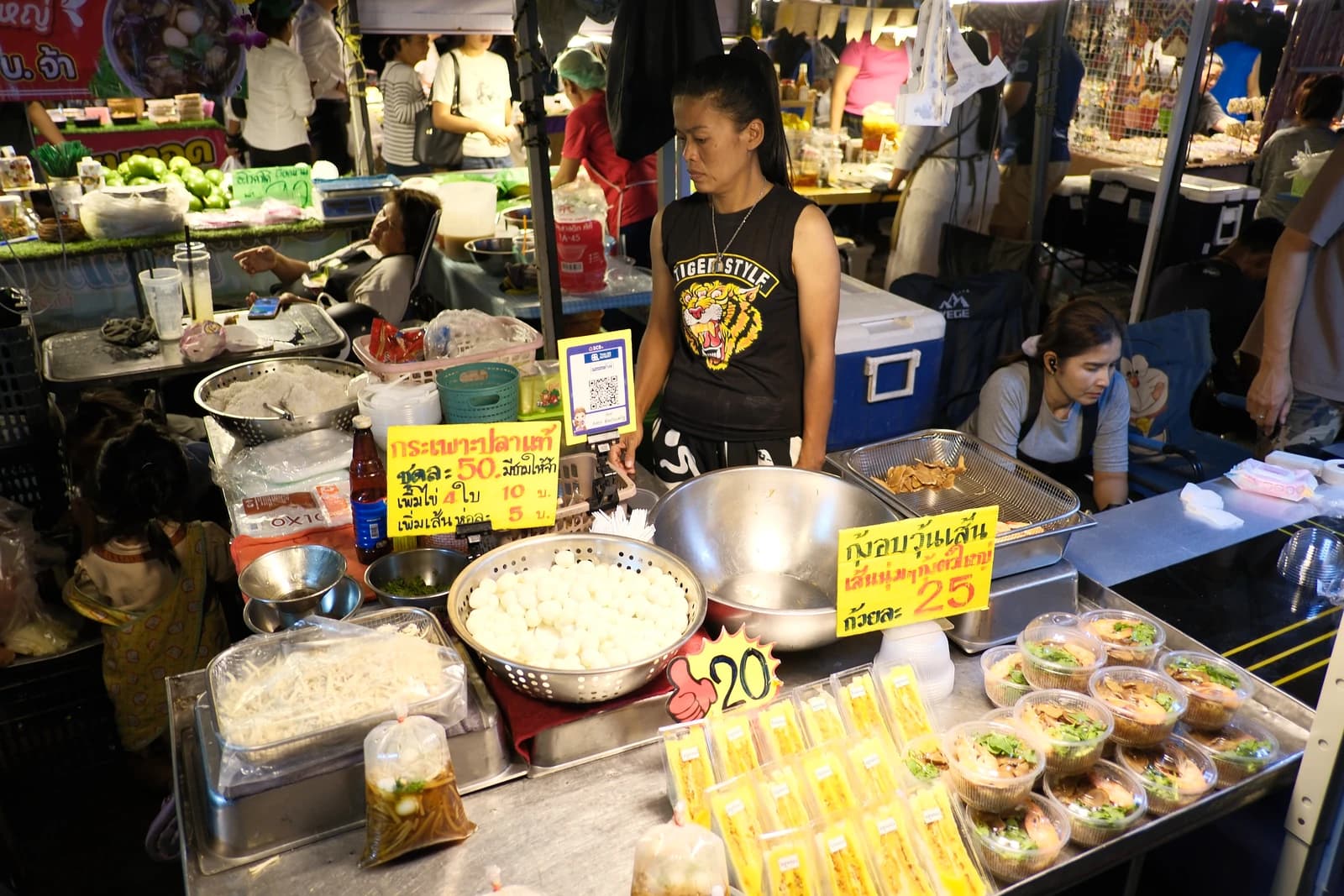
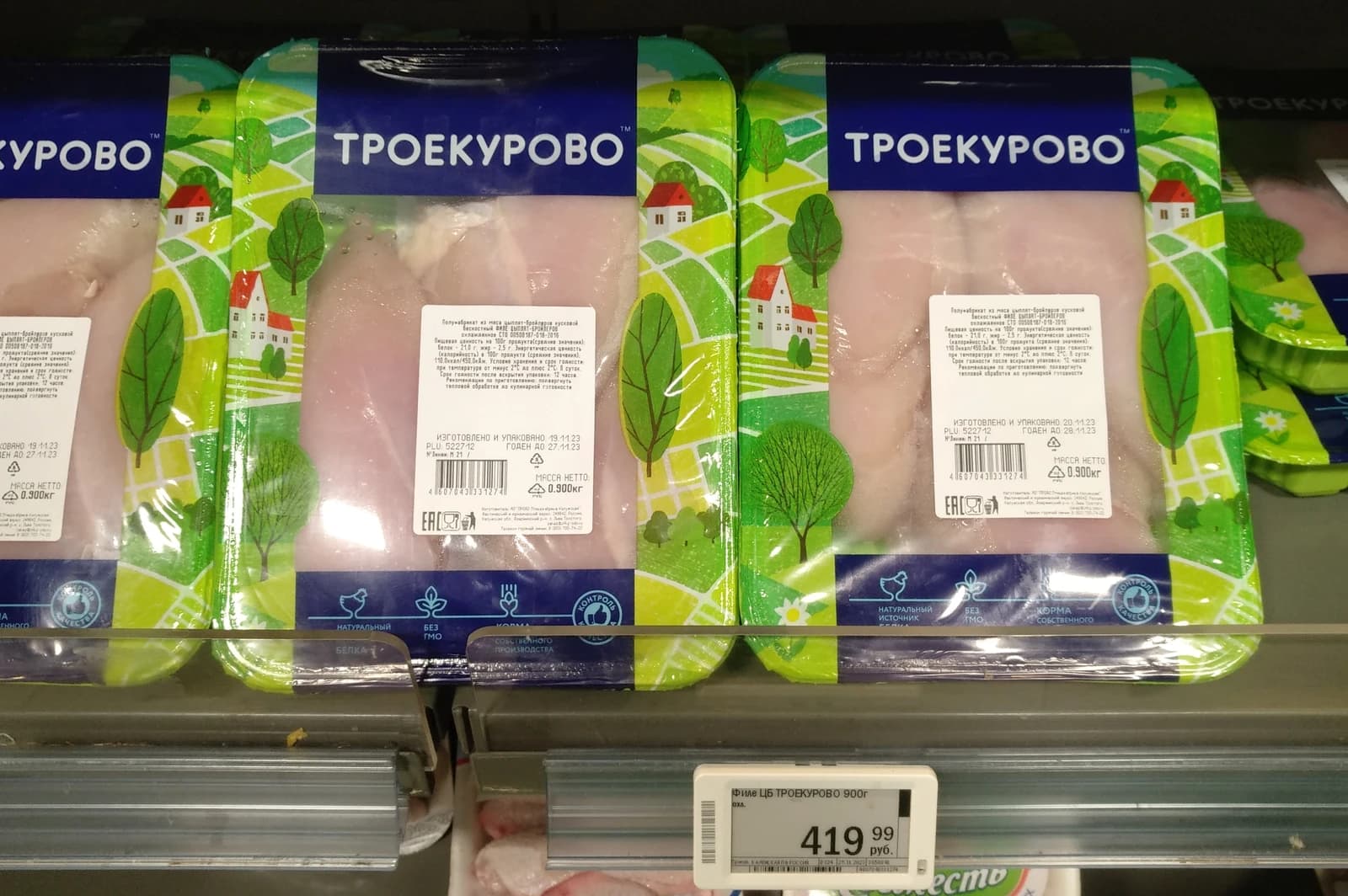
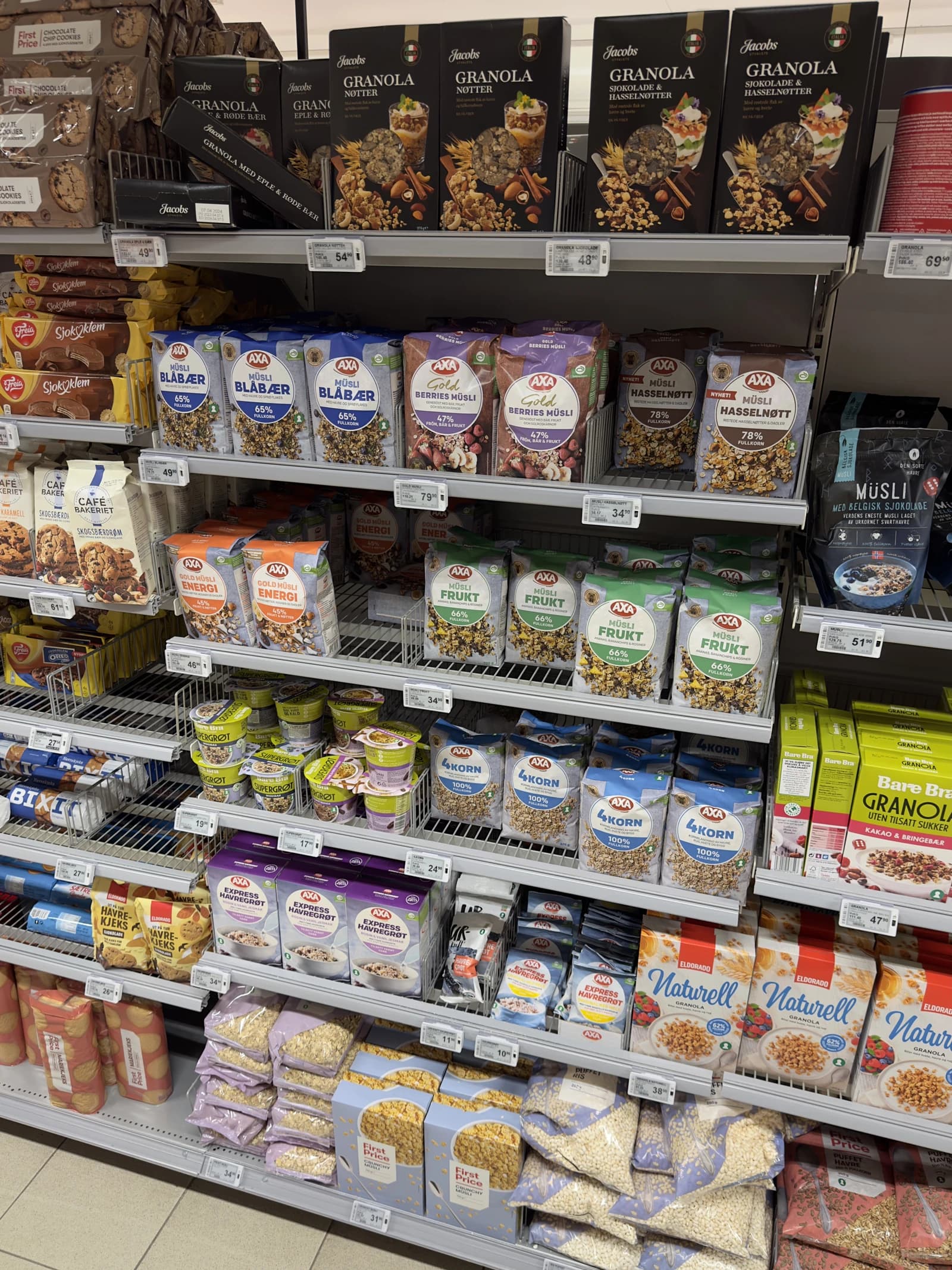
The more important thesis is that inflation is spreading into the shelf price of everyday goods. The World Bank sees food prices climbing 10% in 2026 and another 7% in 2027, with fertilizer up 14% this year. In a harsher scenario, food prices could rise 12% above the base case and push above 2022 levels if energy spikes further and grain shipments in the Black Sea are disrupted while El Niño hits crops. That is the kind of backdrop that squeezes emerging-market importers, erodes real wages and keeps central banks from declaring victory too soon.
Corporate pricing power is already under pressure test. Unilever has said it expects price increases in 2027 to outpace 2026 as raw materials, energy and freight costs rise, while Coca-Cola, Procter & Gamble, Nestlé and Reckitt face similar strains. The problem is that consumer demand is no longer elastic in the right way for producers: households have already traded down to cheaper labels, and companies cannot simply pass through every increment without risking volume losses. That is why margin management, package downsizing and promotional tactics are becoming more important than headline price hikes.
The market implications are straightforward. Staples can still work, but only the names with genuine pricing power and low-cost sourcing. Energy and fertilizer remain the cleaner inflation hedges. Transport and shipping chains remain exposed to insurance and route disruption around the Strait of Hormuz, Bab el-Mandeb and the Red Sea. And in regions such as Europe and import-dependent economies, prolonged energy shocks could revive recession risk even as inflation stays sticky.
My view is that the market underestimates the duration of this cycle. A retreat in oil in 2027 does not automatically mean consumer prices fall with it, because contract lags, inventory costs, freight and financing charges keep feeding through the system. If you want exposure, own the toll roads of the inflation trade: integrated energy, fertilizer, commodity baskets and the few consumer staples franchises that can still raise prices without breaking demand. This is not a one-quarter trade. It is a multi-year regime shift.
| Entity | Gains | Losses |
|---|---|---|
| Energy producers | ▲Higher crude pricing | ▼Demand erosion risk |
| Fertilizer makers | ▲Input-cost pass-through | ▼Crop demand volatility |
| Consumer staples with pricing power | ▲Margin defense | ▼Volume pressure |
| Importers/households | ▲None | ▼Higher food and fuel bills |