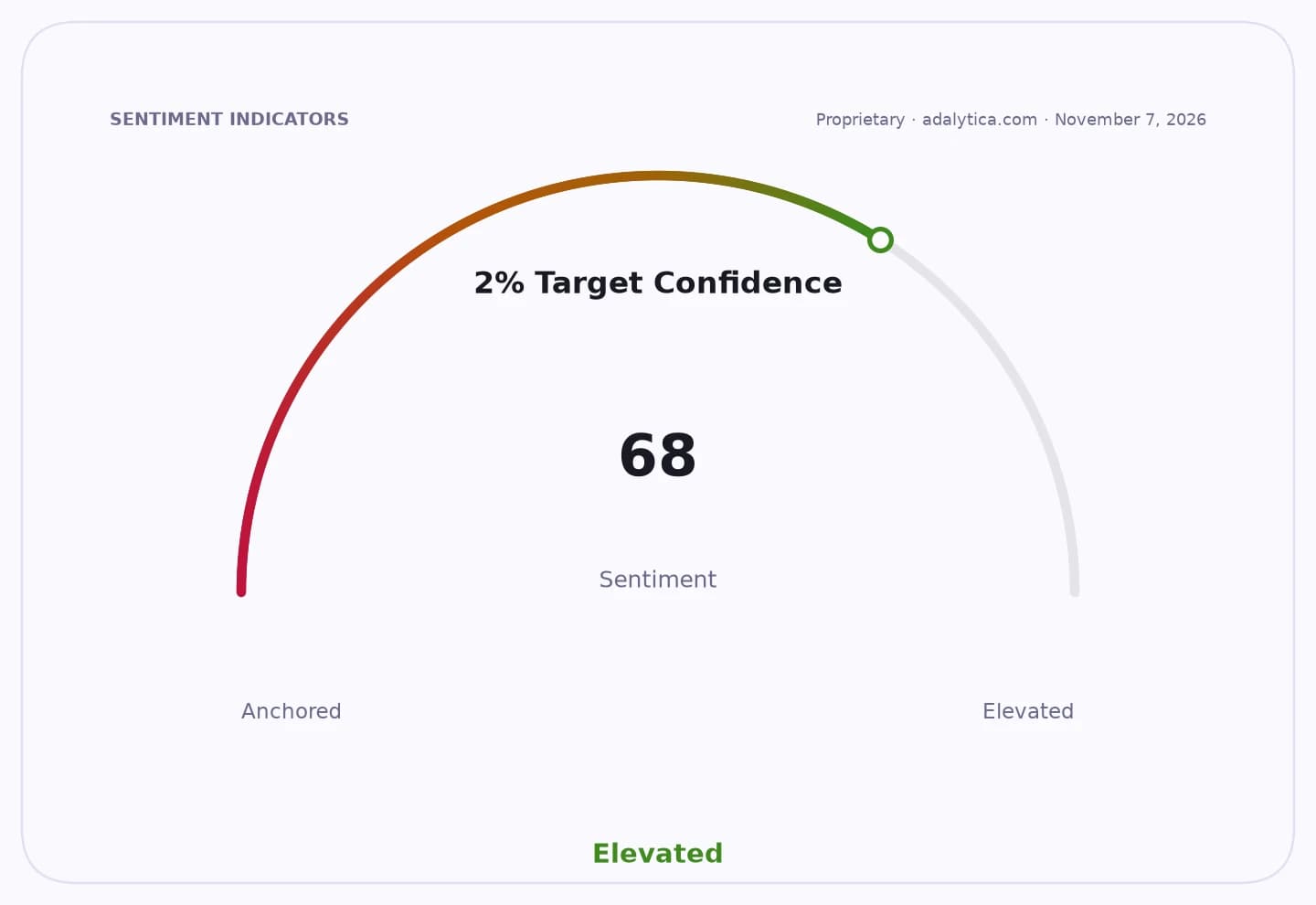
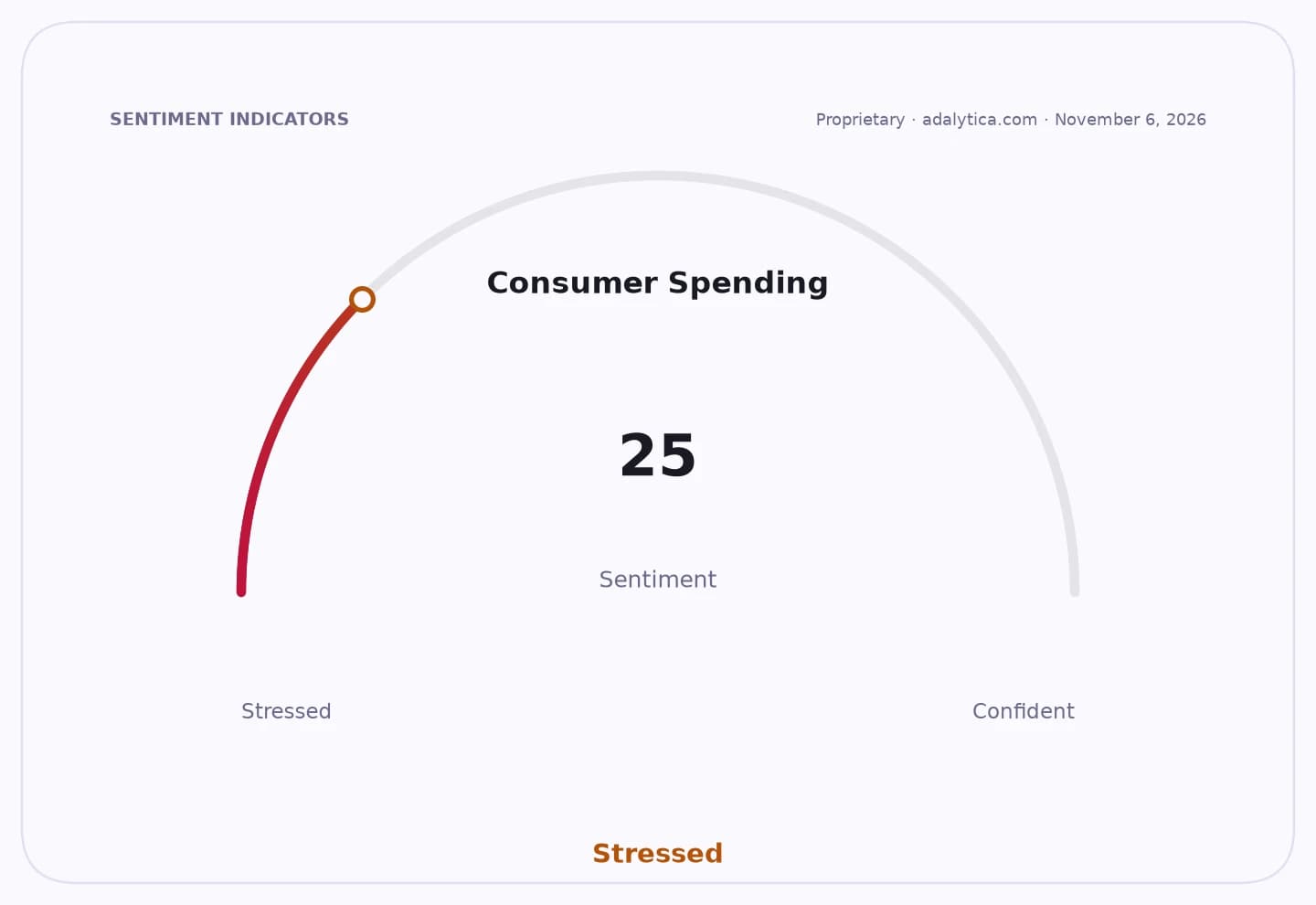
Food inflation in the euro area has cooled sharply in recent months, but the bigger story for households, central bankers and investors is that the respite may be temporary as energy shocks and extreme weather start to feed through the food chain.
Euro Area Food Inflation May Rise Again
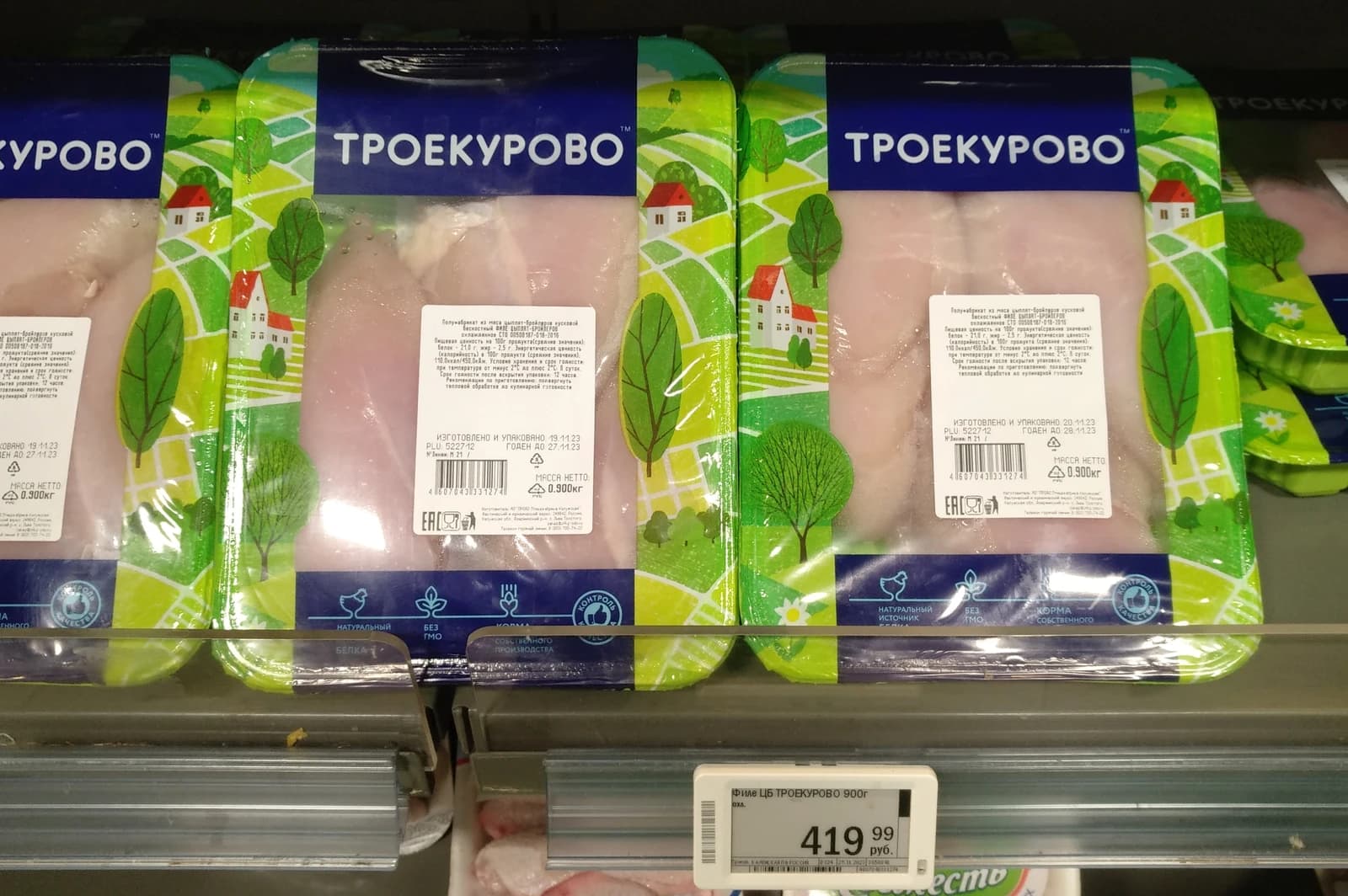
That matters because groceries sit at the center of how consumers experience inflation. Even as headline euro area inflation rose from 1.7% in January to 3.8% in September on surging energy costs, food inflation slipped from 2.6% to 1.1% in August before edging back to 1.3% in September. The decline helped take pressure off household budgets, but it did not restore affordability: euro area food prices are still about 30% above end-2021 levels, and wages have not fully caught up in terms of what they can buy at the supermarket.
Sentiment Indicators
The European Central Bank’s own analysis suggests the calm is being supported by lagging effects from last year’s good harvests and lower global prices for staples such as coffee, cocoa, sugar and tea. Those tailwinds are fading. The ECB says a recent energy shock is already pushing up input costs at the start of the food pipeline, especially for fertilizers, transport and energy-intensive production, while the summer’s heat and drought across much of Europe are likely to lift food inflation further over the next year.
The timing is critical. Energy costs usually pass through to groceries with a long delay, but weather hits faster through unprocessed food. That is why September’s uptick came from fresh vegetables and other weather-sensitive items, while processed food inflation stayed subdued at just 0.4%. Yet the ECB projects food inflation could climb to 3.4% in the third quarter of 2027, a level far below the post-Ukraine shock peak but still high enough to keep pressure on consumer sentiment and policy debate.
CPILFESL vs PPIACO — macro contextadalytica.com
Explore this data interactively — full history, time series and cross-market comparisons.
For investors, the setup is straightforward: the market may be underestimating how sticky food costs remain even after the headline spike has eased. That favors companies with pricing power, scale and exposure to food distribution and essential staples, while leaving consumers and margin-sensitive retailers vulnerable if input costs reaccelerate. US Foods Holding Corp. has already shown that case volumes can hold up, with total organic case volume up 1.3% in its latest quarter, but the broader sector still faces a tougher second half if supply-side inflation returns. Smaller food producers such as Blue Ribbon Holdings remain exposed to cost pressure and weaker balance sheets.
The investment takeaway is to treat the recent dip in food inflation as a pause, not a regime change. The next move in groceries will be driven less by demand and more by energy, fertilizer and weather — exactly the kind of supply shock that can reprice food stocks, test consumer spending and keep inflation expectations from settling down.
| Entity | Gains | Losses |
|---|---|---|
| Grocery retailers | ▲Temporary relief on pricing pressure | ▼Margin squeeze if costs reaccelerate |
| Food producers | ▲Ability to pass through selective increases | ▼Higher input costs from energy and fertilizers |
| Households | ▲Brief easing in food inflation | ▼Still-stretched purchasing power |
| ECB / policymakers | ▲Less immediate food-driven pressure | ▼Harder fight to anchor inflation expectations |