A very strong El Niño could add a fresh inflation shock in 2027, and that matters because the next wave of price pressure may come not from demand, but from weather.
El Niño Inflation Risk for 2027
CPI
That is the core warning from a San Francisco Fed paper, which sees a “meaningful risk” that the climate pattern could push up food and other prices just as households and policymakers were hoping inflation was safely back under control. For investors, the important point is not just the possibility of a short-lived spike. It is that El Niño can ripple through agriculture, transportation, insurance and energy, complicating the Federal Reserve’s job and creating another reason inflation may not settle neatly at 2%.
Sentiment Indicators
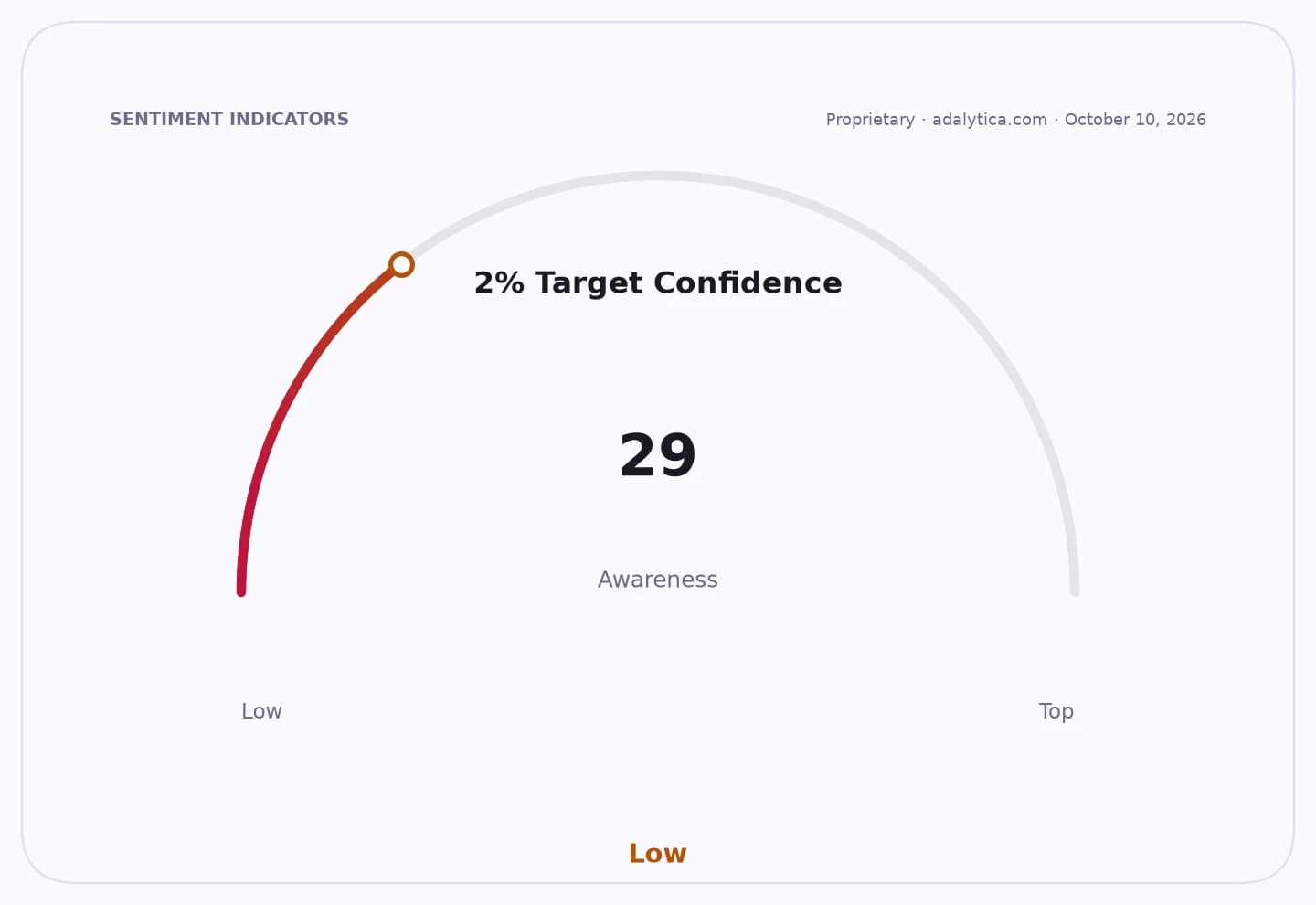
2% Target Confidence
The timing is what makes this especially relevant. Inflation has cooled from the extremes seen in 2022, but it has not vanished as a market risk. The latest consumer price data in the context show CPI still running above the Fed’s target, while producer prices have also climbed again in recent months. That leaves the economy exposed if weather-driven supply shocks hit food chains, crops or shipping costs. El Niño is exactly the kind of outside force that can turn a benign disinflation narrative into a stickier one.
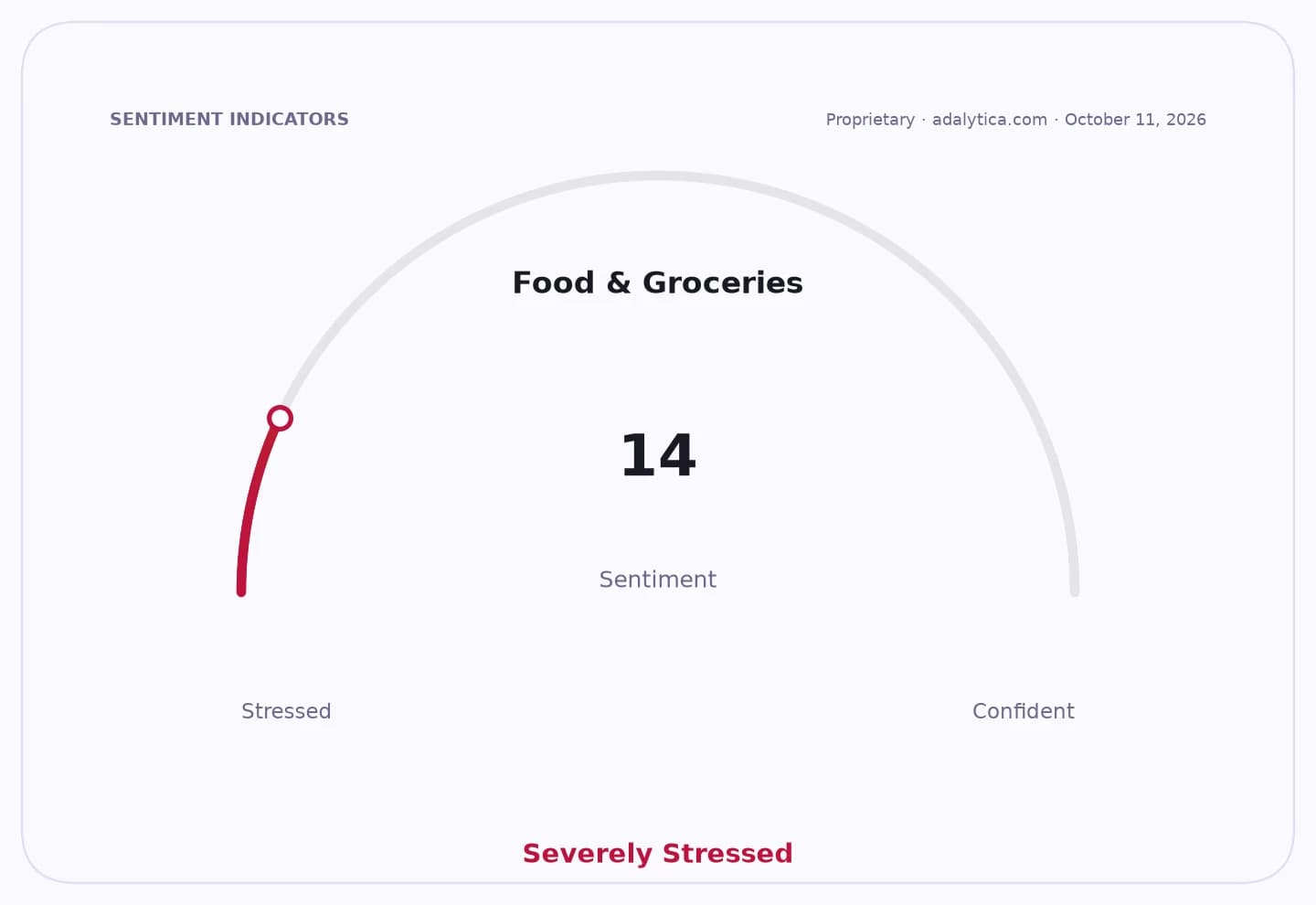
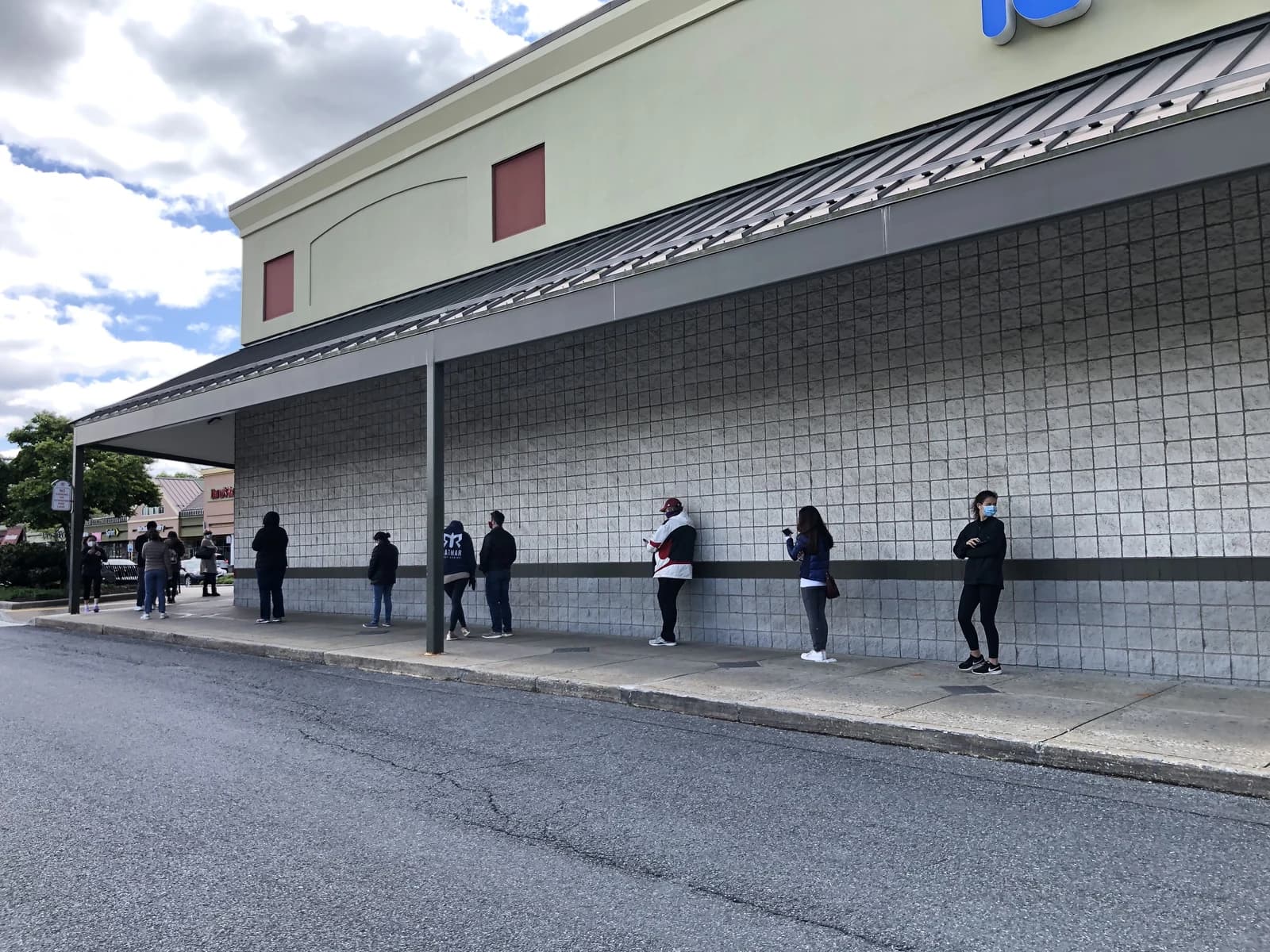
Agriculture is the clearest channel. Corn, wheat and the broader basket tracked by commodity ETFs have all been volatile, and that volatility is not just a trading story. It is a reminder that weather can hit yields, shrink inventories and lift food inflation with a lag. When corn and wheat prices move sharply, the effect eventually works its way into livestock feed, processed foods and restaurant costs. Consumers feel it at the grocery store, but the bigger macro consequence is that food inflation can spill into headline CPI and keep policy tighter for longer.
Energy is the second channel. Oil prices remain an inflation transmission mechanism even when the shock starts elsewhere. If El Niño disrupts harvests, transport patterns or emerging-market energy demand, it can add another layer of cost pressure to a global economy already sensitive to commodity swings. That is why investors watch not only the Fed, but also the prices of crude, grains and broad commodities as weather risks build.
The market message is straightforward: inflation is no longer just a story about wages and interest rates. It is also a story about climate volatility. That should matter to holders of long-duration assets, growth stocks and rate-sensitive sectors, because a renewed inflation scare tends to keep bond yields elevated and delay any rapid easing cycle. It also matters for diversified portfolios, since weather shocks can reward commodity producers and agricultural exposure while squeezing consumer-facing businesses with thin margins.
There is a long lead time here, which is part of the problem. The paper’s warning is for 2027, not next month, so markets may not price it aggressively today. But investors who think in years, not weeks, should take note. El Niño is not a one-day event; it can reshape supply chains, crop planning and central bank expectations well before the inflation data show the damage.
For long-term investors, the takeaway is simple: keep an eye on food and energy exposure, stay diversified, and do not assume inflation’s last act has already been written. Weather can still surprise markets, and when it does, the winners are usually commodity producers and the losers are consumers, importers and companies with weak pricing power.
| Entity | Gains | Losses |
|---|---|---|
| Grain and commodity producers | ▲Higher selling prices | ▼Volatile input costs |
| Food consumers | ▲None | ▼Higher grocery bills |
| Fed hawks | ▲Stronger case for caution | ▼Faster rate cuts |
| Consumer discretionary companies | ▲Pricing power if strong brands | ▼Margin pressure |