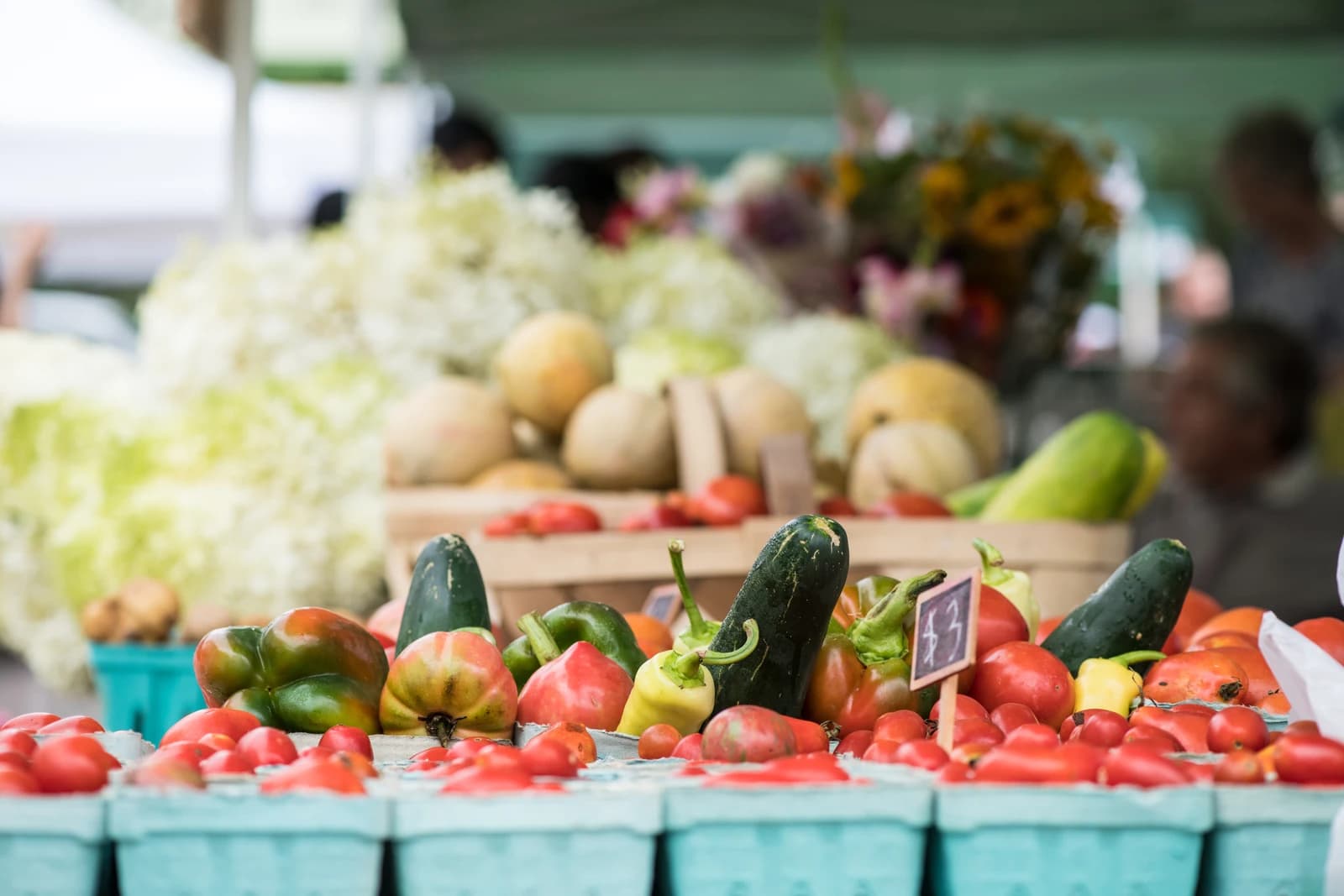
Honduras is aiming to finish the year with 4.55 million quintals of rice, beans and corn, a production target that underscores how central farm output has become to food security as drought and erratic weather squeeze the country’s staple crops.
Honduras Targets 4.55 Million Quintals of Staple Crops
The projection matters because rice, beans and corn are the backbone of the local diet and any shortfall would feed directly into import needs, household prices and rural incomes. Agriculture officials say the harvest target includes 550,000 quintals of rice, 3 million of beans and 1 million of corn, volumes they say would help keep domestic supplies stable even as the dry corridor remains under strain.
The government is responding with a broader effort to reduce weather risk in the sector. The agriculture ministry plans to spend 350 million to 400 million lempiras on a national irrigation program that would add more than 500 drip systems, drill wells and repair existing infrastructure. Officials say the measures could bring about 1,600 hectares under irrigation and benefit 800 to 900 farmers this year, while new wells could supply water to another 300 producers.
The push is especially focused on the Corredor Seco, where production is most exposed to rainfall shocks. In Jamastrán, El Paraíso, rehabilitation work on irrigation systems has passed the halfway mark, covering about 2,000 manzanas of land. The ministry also says it has stored equipment worth more than 100 million lempiras and has received Japanese machinery for well drilling valued at about 50 million lempiras.
For investors and food markets, the key issue is whether Honduras can avoid heavier import dependence. Officials have said they will assess imports if the harvest falls short of demand, which would add pressure to a country already navigating climate-driven supply volatility. A shortfall would likely lift local grain prices and hit small farmers, while a successful crop year would ease inflationary pressure and support rural consumption.
The story is less about a record harvest than about resilience. If irrigation investment and weather conditions hold, Honduras can limit the damage from drought and keep staple supply flowing. If they do not, the country may be forced to lean more heavily on imports, widening its exposure to global grain prices and logistics costs.
| Entity | Gains | Losses |
|---|---|---|
| Honduran consumers | ▲More stable staple supply | ▼Fewer price spikes if crop fails |
| Local farmers | ▲Irrigation support and yield protection | ▼Drought exposure and crop losses |
| Government of Honduras | ▲Lower import pressure | ▼Higher food-security risk |
| Grain importers / global suppliers | ▲More demand if harvest disappoints | ▼Less demand if domestic output holds |