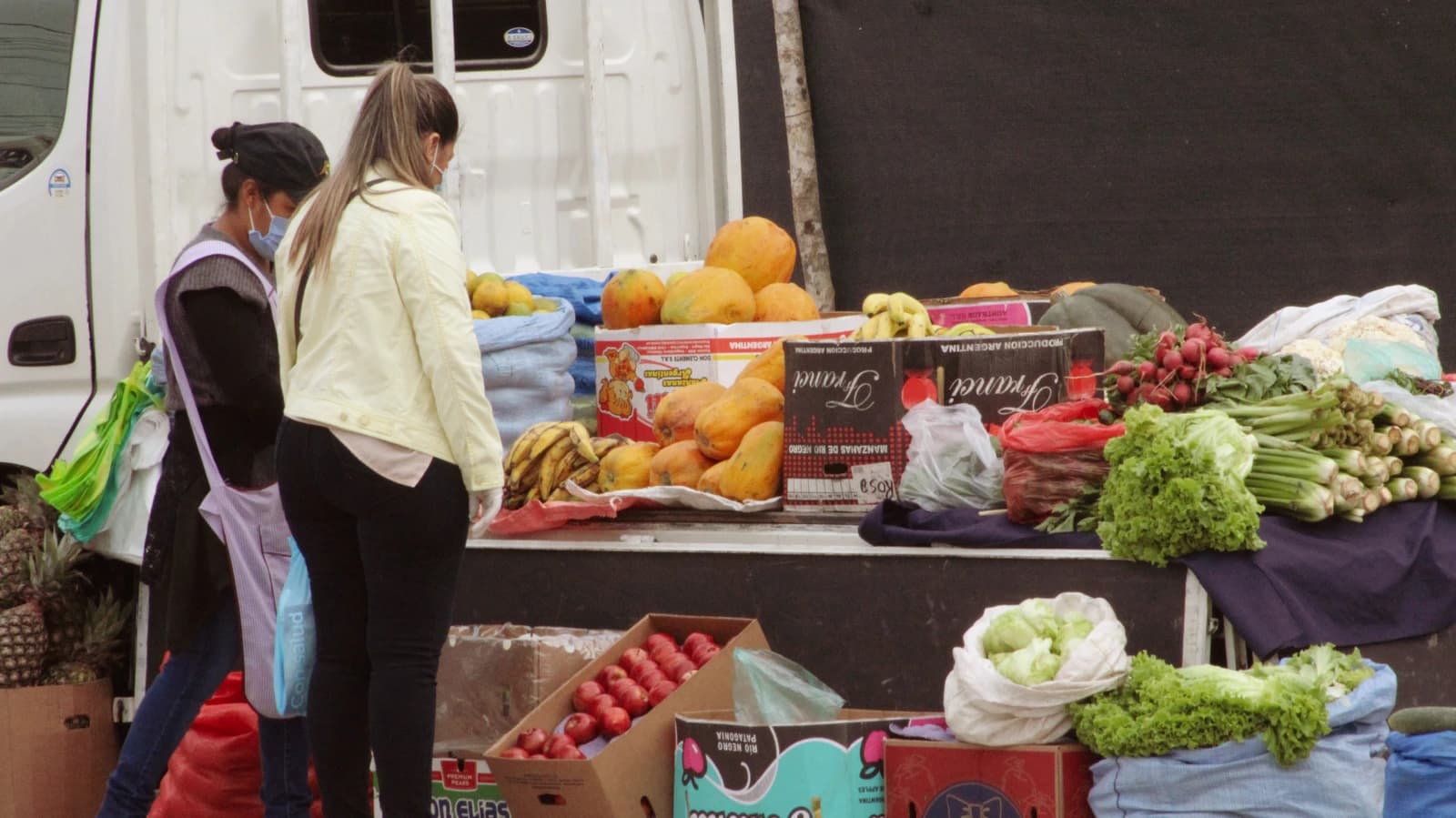
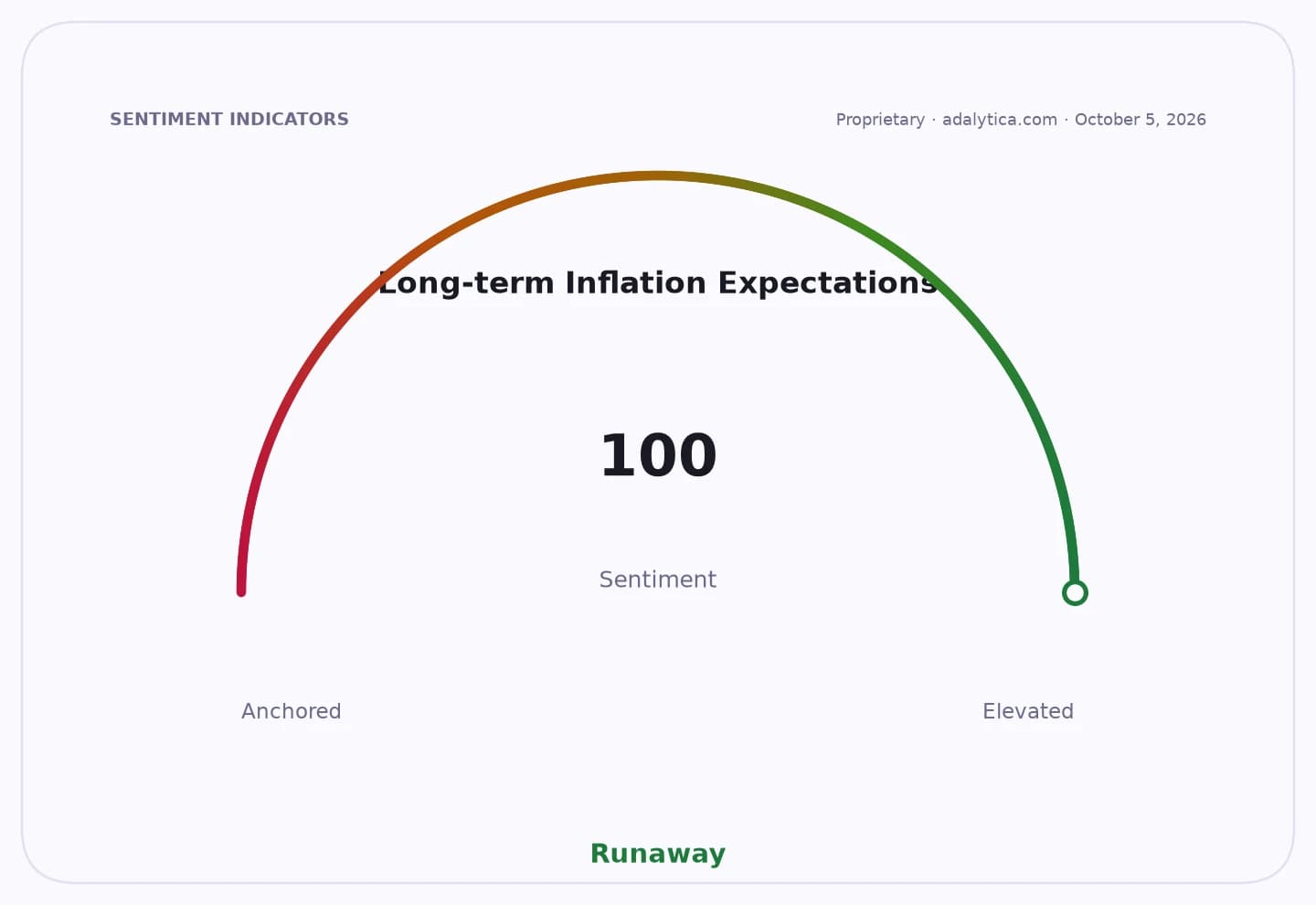
El Niño is beginning to hit Peru just as global food markets are already strained, and that combination could lift prices for everyday staples in the weeks ahead.
Peru El Niño Could Raise Food Prices
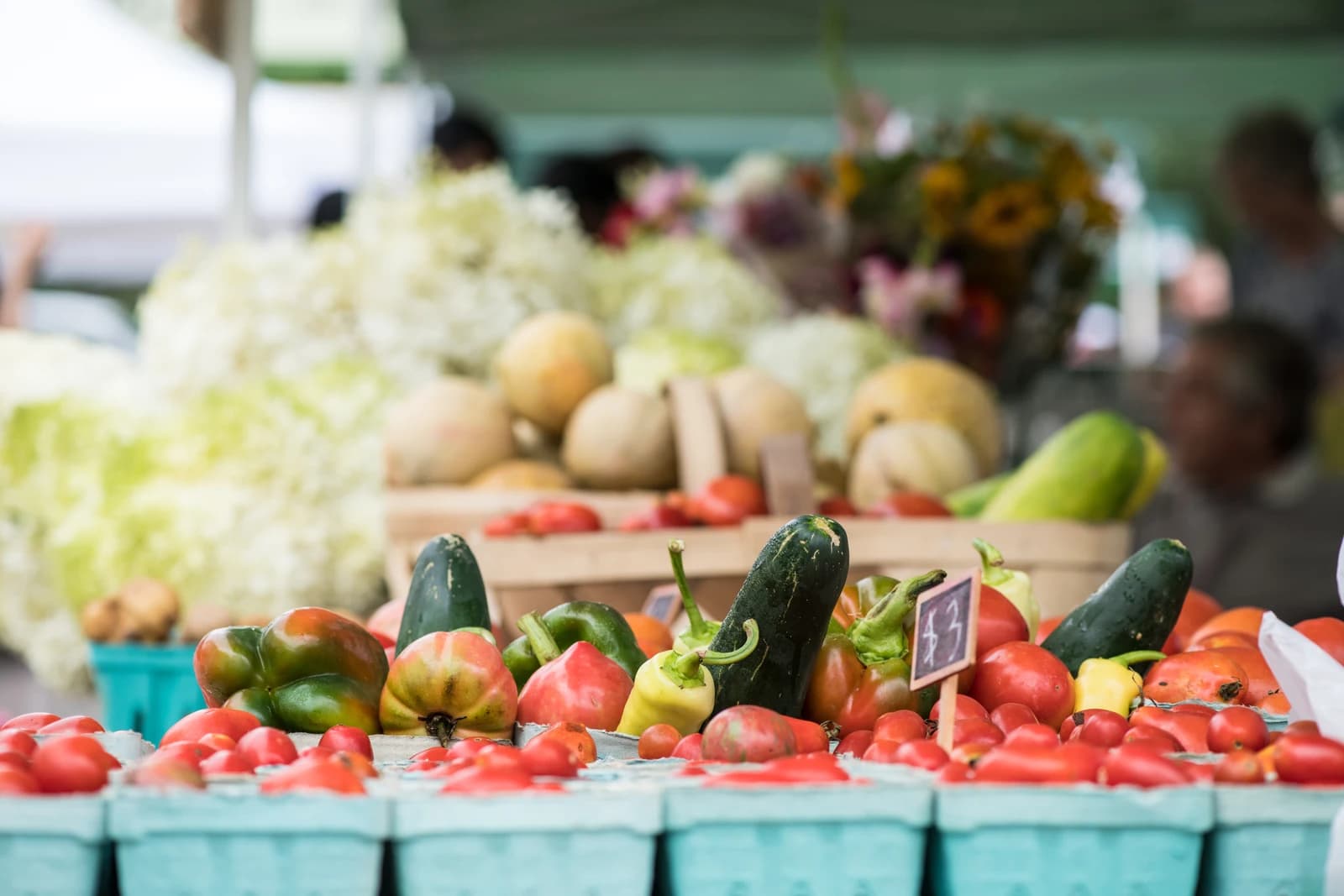
For investors and consumers alike, the important point is not just that Peru is facing heavier rains in the north and hotter conditions in Lima. It is that weather shocks are now landing on top of an already fragile food-cost backdrop, raising the odds of shortages, transport bottlenecks and another round of food inflation in one of South America’s most climate-exposed economies.
Sentiment Indicators
Food & Groceries
Peruvian reports say Tumbes and Piura are already seeing the first effects, with intense rainfall flooding streets and stoking fears of landslides and road closures. That matters because the country’s food supply depends heavily on moving produce from the north and from the highlands into Lima and other population centers. When roads are blocked, perishable goods get scarcer fast, and prices follow.
The foods most at risk are the ones households buy most often: lemon, rice, brown sugar, tomato, onion, carrots, potato, corn, peas and olives. That list is a reminder that El Niño can move from a weather headline to a household budget problem very quickly. In Peru, the lemon is especially sensitive after a sharp price spike during the 2017 El Niño episode, while staples such as rice and sugar tend to ripple through the wider consumer basket.
Food & Groceries
The broader economic effect is straightforward. Food inflation tends to be sticky because it feeds into transport costs, restaurant prices and wage demands. If the rains worsen, the same supply shock could push up prices in urban markets even if some farm output holds up elsewhere. If drought hits the sierra at the same time, the pressure becomes more durable, because potato, corn and legumes can be hit from both ends: weaker harvests and higher logistics costs.
That’s why the timing matters. Local specialists say the full force of El Niño may not be felt until late November or early December, which means the current price moves may be the beginning rather than the peak. For Peru’s central bank and policymakers, that raises the risk of a short-term inflation flare-up just as households are already sensitive to food affordability.
For investors, the story is less about a tradeable weather headline than about what climate volatility does to pricing power. Food producers, retailers and agricultural suppliers can benefit if they have inventory, storage or pricing strength. Consumers, importers and smaller merchants usually lose when shortages become visible and panic buying sets in. The safest long-term lesson is the same one that always applies in climate-driven commodity shocks: diversify, avoid chasing spikes, and watch the companies and funds exposed to agricultural supply chains rather than trying to time the next weather turn.
| Entity | Gains | Losses |
|---|---|---|
| Food producers with inventory | ▲Higher selling prices | ▼Consumer backlash |
| Peruvian households | ▲None | ▼Higher grocery bills |
| Agricultural exporters and suppliers | ▲Pricing power | ▼Supply disruptions |
| Small retailers and importers | ▲None | ▼Margin pressure |