Lower volume and less favorable prices are set to trim Honduras’ coffee export income in the 2026-27 harvest, a shift that matters not just for farmers but for one of the country’s most important sources of foreign exchange.
Honduras coffee exports seen falling in 2026-27
After a record-strong 2025-26 crop that generated $2.285 billion in export receipts, the Honduran coffee industry is bracing for a smaller harvest of about 7 million quintals, down from 7.3 million quintals sold in the previous cycle. At the same time, international prices have started to lose some of the momentum seen earlier in the year, leaving total earnings vulnerable even if export execution remains solid.
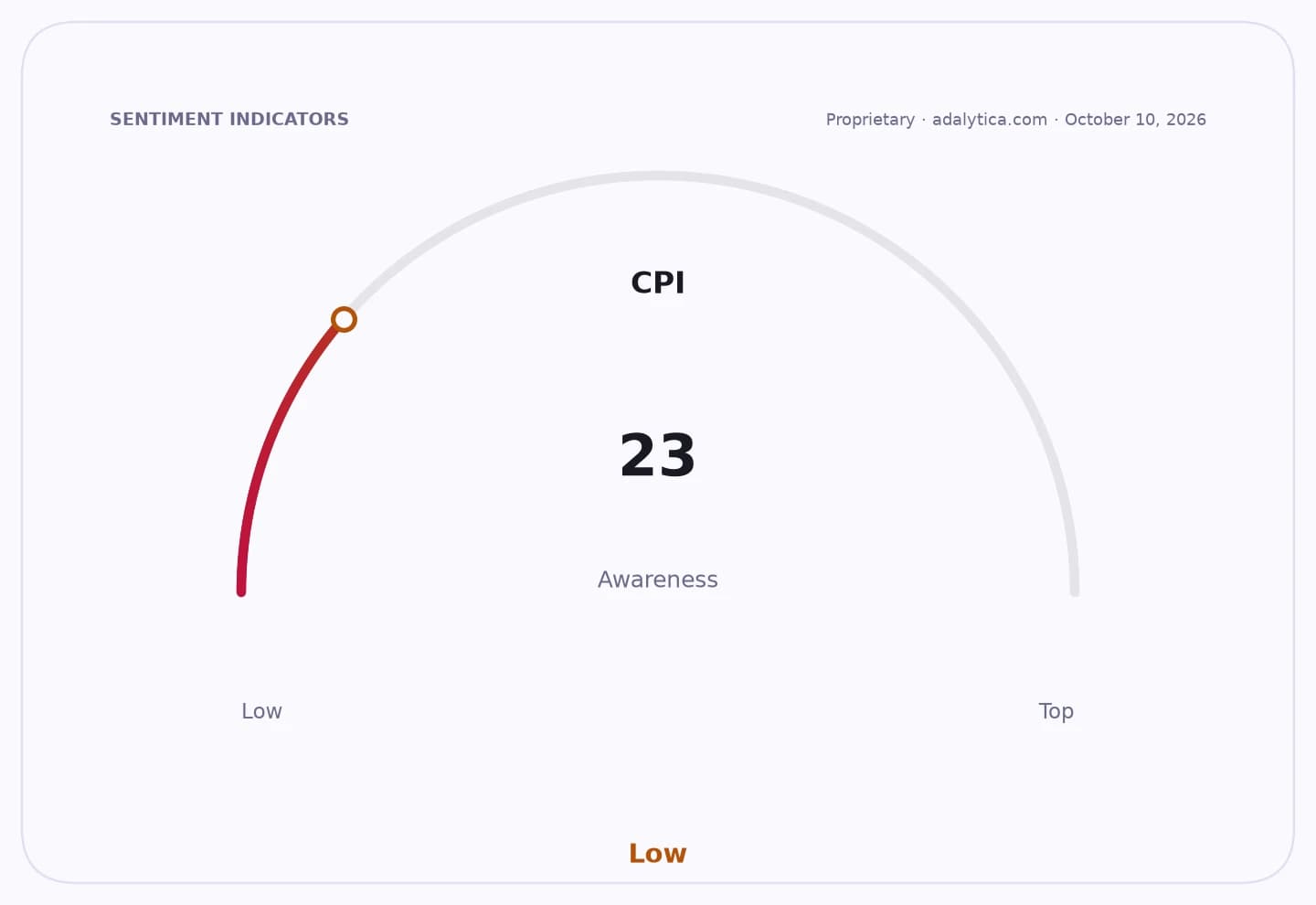
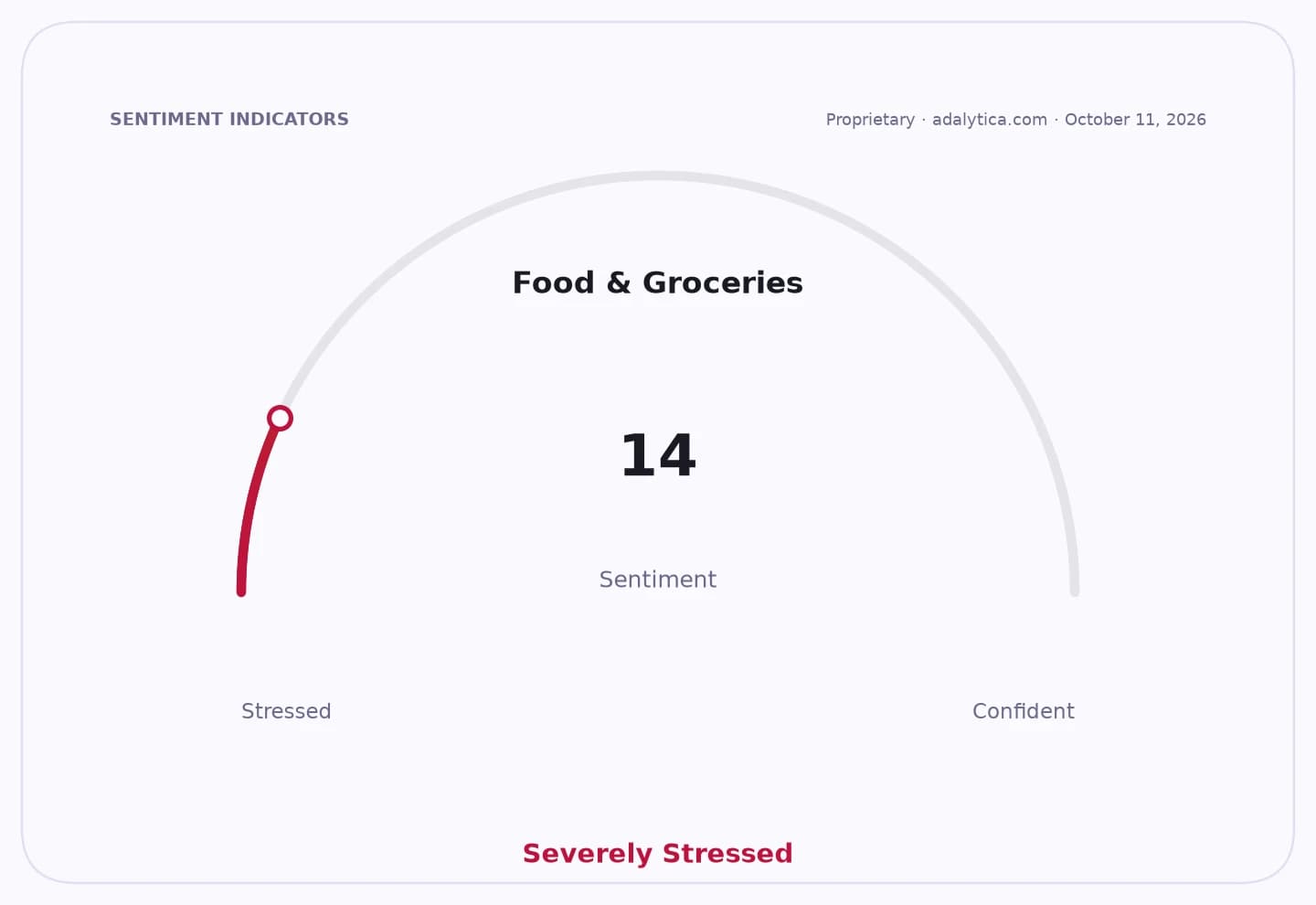
Sentiment IndicatorsⓘProprietary · adalytica.com · October 14, 2026
This is a snapshot — live sentiment, awareness and momentum for 130+ markets update continuously in the dashboard.Open AlphaPulse
If Honduras ships the projected 7 million quintals at last season’s average price of $312.58 a quintal, export revenue would fall to roughly $2.188 billion, or about $97 million less than the just-finished crop. That estimate could prove conservative if drought conditions linked to El Niño persist and reduce output more sharply than expected.
The warning comes at a delicate moment for a sector that had been outperforming the region. Honduras exported 7.3 million quintals to 53 markets in 2025-26, up from 6.1 million the year before, with foreign-currency earnings rising from $2.1 billion to $2.285 billion. The International Coffee Organization said Honduran shipments rose 16.3% in July even as exports from Mexico, Central America and the Caribbean fell 15.9% year on year, underscoring Honduras’ recent market share gains.
But the macro backdrop is turning less supportive. Coffee prices are shaped far more by global supply than by local policy, and Pedro Mendoza, head of the Honduran Coffee Institute, said the key driver will be the New York futures market and production in Brazil, the world’s dominant producer. That matters because stronger Brazilian output typically eases global prices, squeezing export revenue for smaller growers even when they manage to hold volumes steady.
The International Coffee Organization said its composite price indicator averaged $287.29 a pound in August after several months of elevated and volatile trading. Weather fears, including concern over El Niño and tighter immediate arabica availability, helped drive a temporary rally. But that move faded as favorable rains in Brazil improved crop prospects and raised expectations for larger global supply.
For investors, the story is less about the headline harvest number than about margin pressure across the coffee chain. Lower Honduran exports can tighten supply, but softer benchmark prices would offset that benefit for producers while improving costs for roasters and some consumer brands if the decline in green coffee prices feeds through. The balance matters for Latin American growers, exporters, and commodity-sensitive food companies that have been managing input inflation and demand weakness.
The downside case is clear: if drought cuts Honduras’ crop by more than expected and Brazil still expands supply, the country could lose both volume and price support at once. The upside case is that weather disruptions elsewhere keep global coffee tight enough to cushion the drop. Either way, the 2026-27 season looks set to test how much of Honduras’ recent export boom was cyclical — and how much can endure when the market turns.
| Entity | Gains | Losses |
|---|---|---|
| Honduran coffee farmers | ▲Higher local scarcity prices | ▼Lower yields and export income |
| Honduran exporters | ▲Near-term volume discipline | ▼Revenue risk from softer prices |
| Coffee buyers/roasters | ▲Potentially lower input costs | ▼Less supply certainty |
| Brazil’s producers | ▲Market share from stronger output | ▼Lower global price support |