Grocers in Bolivia’s central axis are reporting higher prices for basic staples after the government removed diesel subsidies, lifting transport costs and squeezing household budgets.
Bolivia food prices rise after diesel subsidy cuts
Rice, sugar and flour have all climbed in recent days in La Paz, Cochabamba and Santa Cruz, with merchants saying the increase in freight charges is feeding through to retail shelves. In La Paz’s Gran Poder market, a quintal of rice has risen to 350 bolivianos from 280, while sugar has increased to 300 bolivianos from 240.
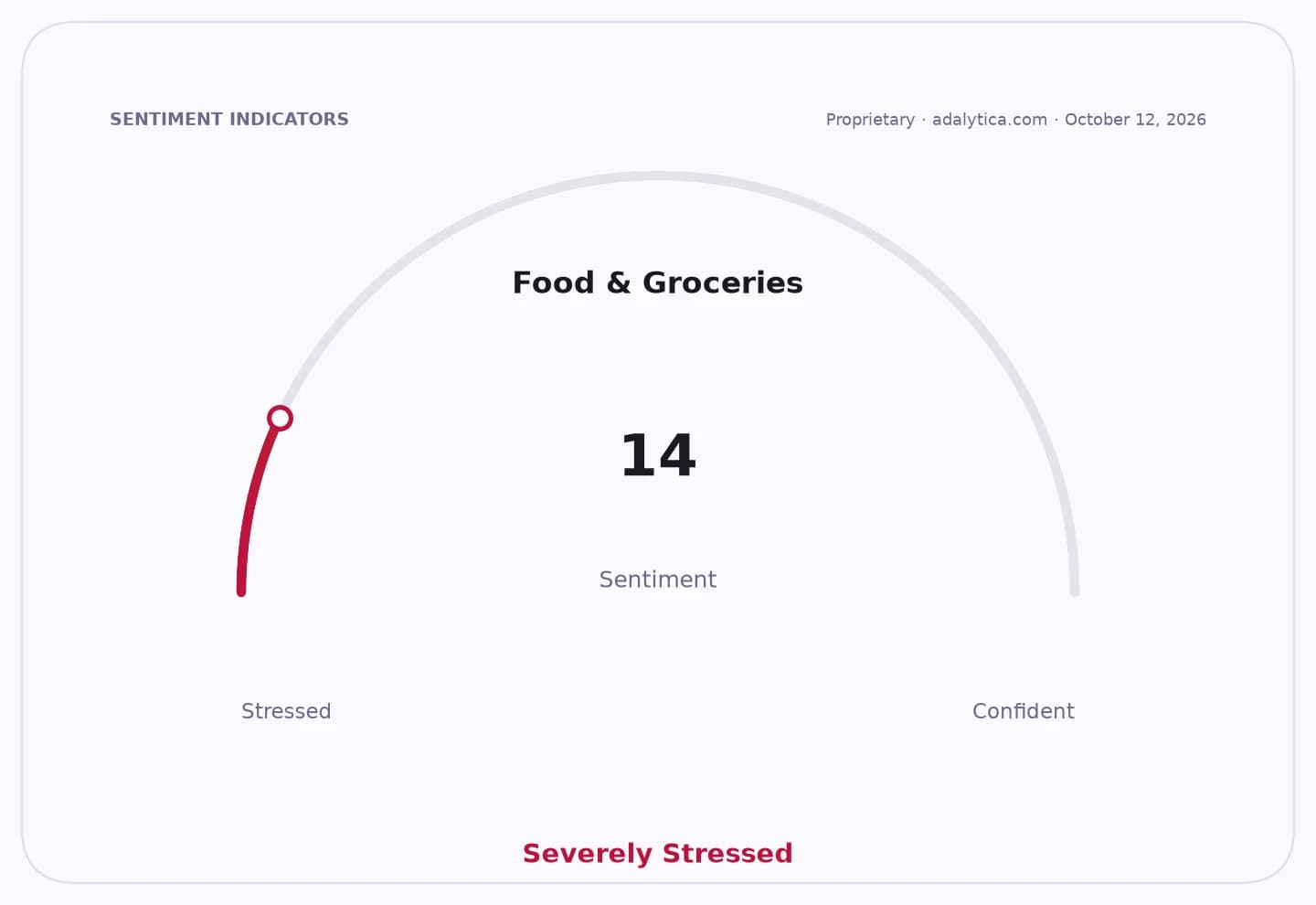
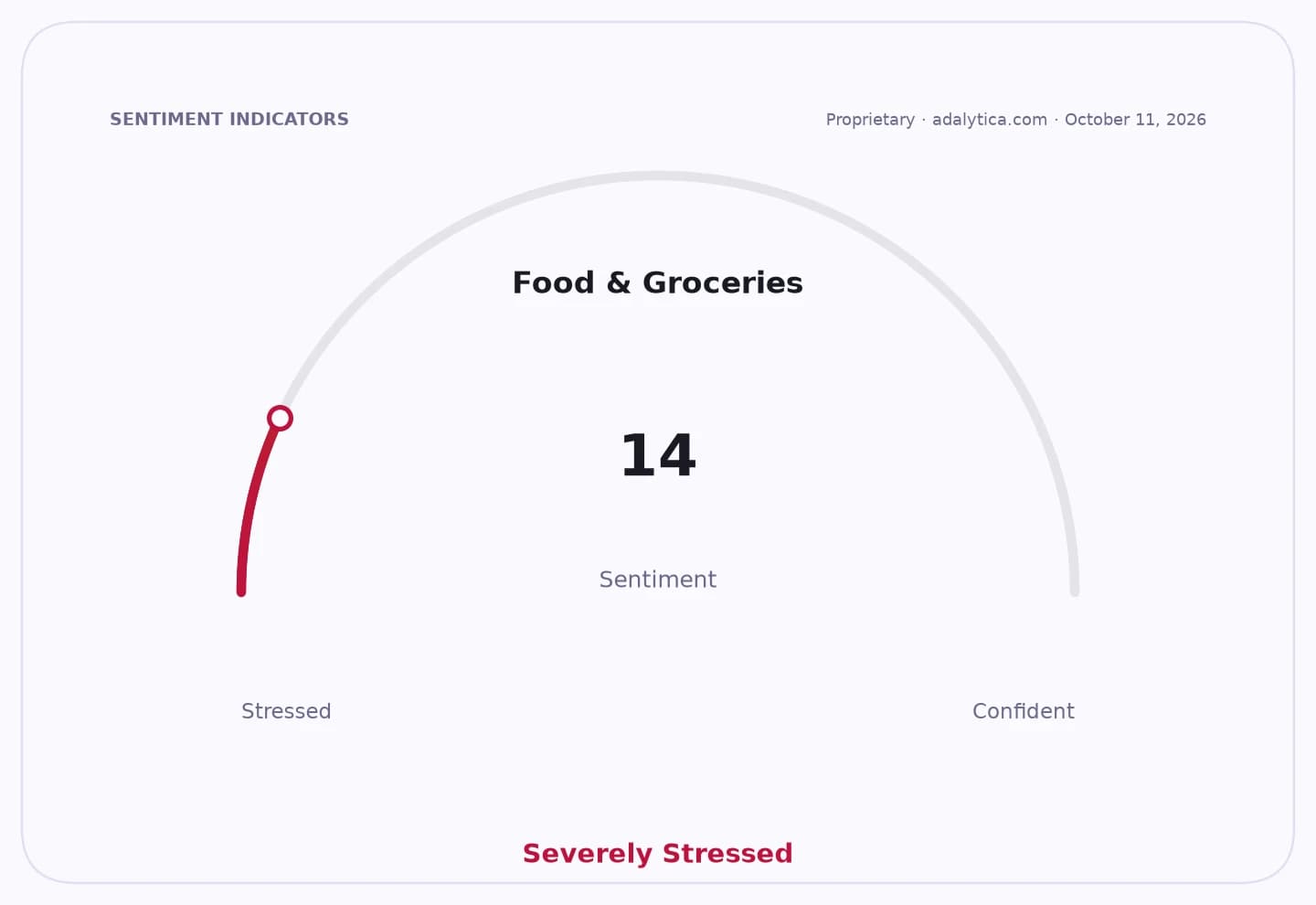
Sentiment IndicatorsⓘProprietary · adalytica.com · October 11, 2026
This is a snapshot — live sentiment, awareness and momentum for 130+ markets update continuously in the dashboard.Open AlphaPulse
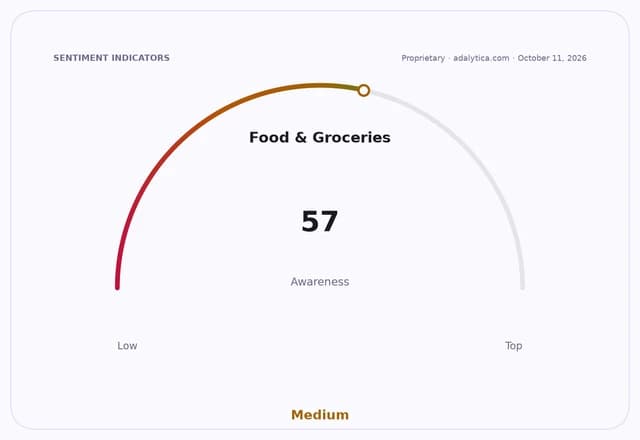
In Cochabamba, the price of flour has also moved higher, with a quarter sack rising to 24 bolivianos from 18 and the kilogram price edging up to 10 bolivianos from 8. Cooking oil is now selling for 19 to 20 bolivianos a liter, up from 16 to 17 bolivianos.
Vendors said shoppers are already responding by buying smaller quantities. “There is no sales. People don’t have money, they only buy half a pound,” one merchant said, a sign that higher food costs are hitting demand as well as margins.
Food & Groceries — 30-day sentimentadalytica.com
Explore this data interactively — full history, time series and cross-market comparisons.Open AlphaPulse
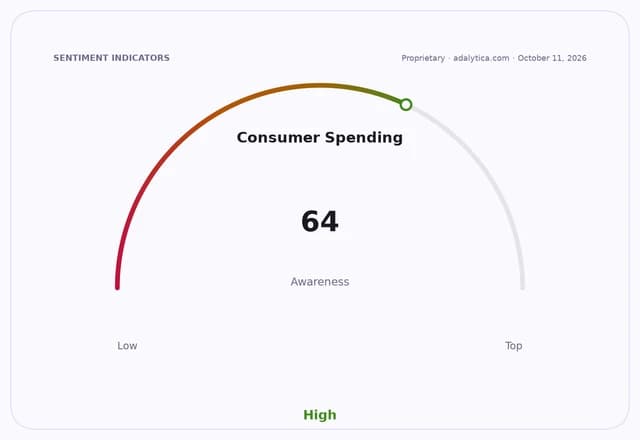
The inflationary pressure is not limited to one city. In Santa Cruz’s Abasto market, rice that sold for 6 to 8 bolivianos a kilo is now being offered at 9 to 19 bolivianos, while fideo has risen to 14 bolivianos from 12. Flour and sugar have also moved up, underscoring a broader rise in essential food prices across the country’s main commercial corridor.
For consumers, the timing is especially painful. Food inflation has already been running above broader price growth in many emerging markets, and Bolivia’s latest move adds a fuel-cost shock to a basket of goods that households cannot easily cut back on.
For investors and businesses, the immediate risk is margin pressure for food distributors, retailers and transport-heavy suppliers, while the longer-term concern is that higher diesel-linked logistics costs keep feeding into inflation data and weaken real consumer spending. The next catalyst is whether authorities step in with compensating measures or allow the cost pass-through to continue into coming market prices.
| Entity | Gains | Losses |
|---|---|---|
| Transport firms | ▲Higher freight charges | ▼Retail demand |
| Grocers/suppliers | ▲Ability to pass on costs | ▼Sales volumes |
| Consumers | ▲None | ▼Household purchasing power |
| Bolivia inflation outlook | ▲None | ▼Price stability |