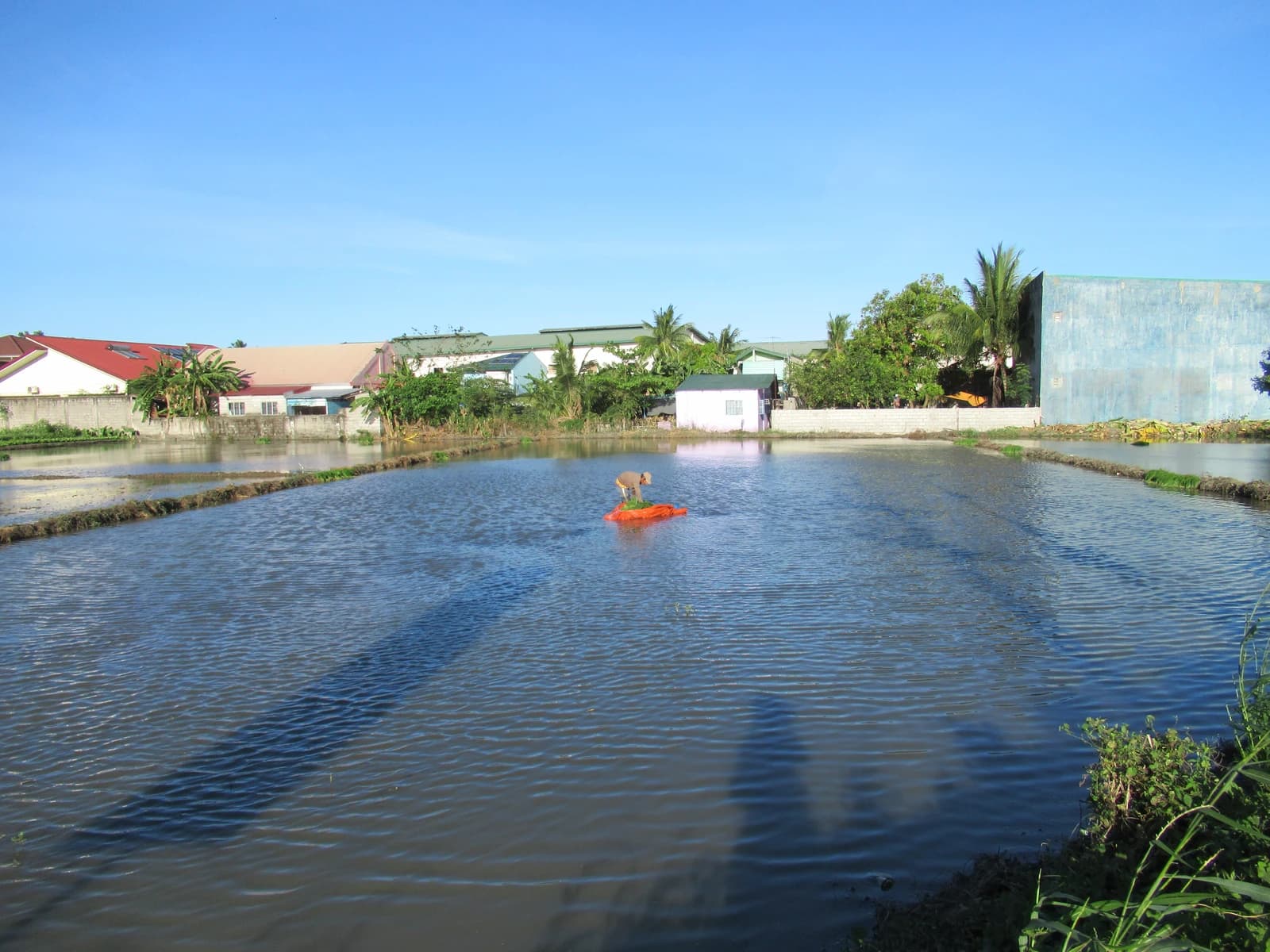
Dominican rice growers are warning that cheap imports are squeezing local producers so hard that the country risks losing a crop central to food security, rural employment and price stability.
Dominican Rice Growers Warn on Cheap Imports
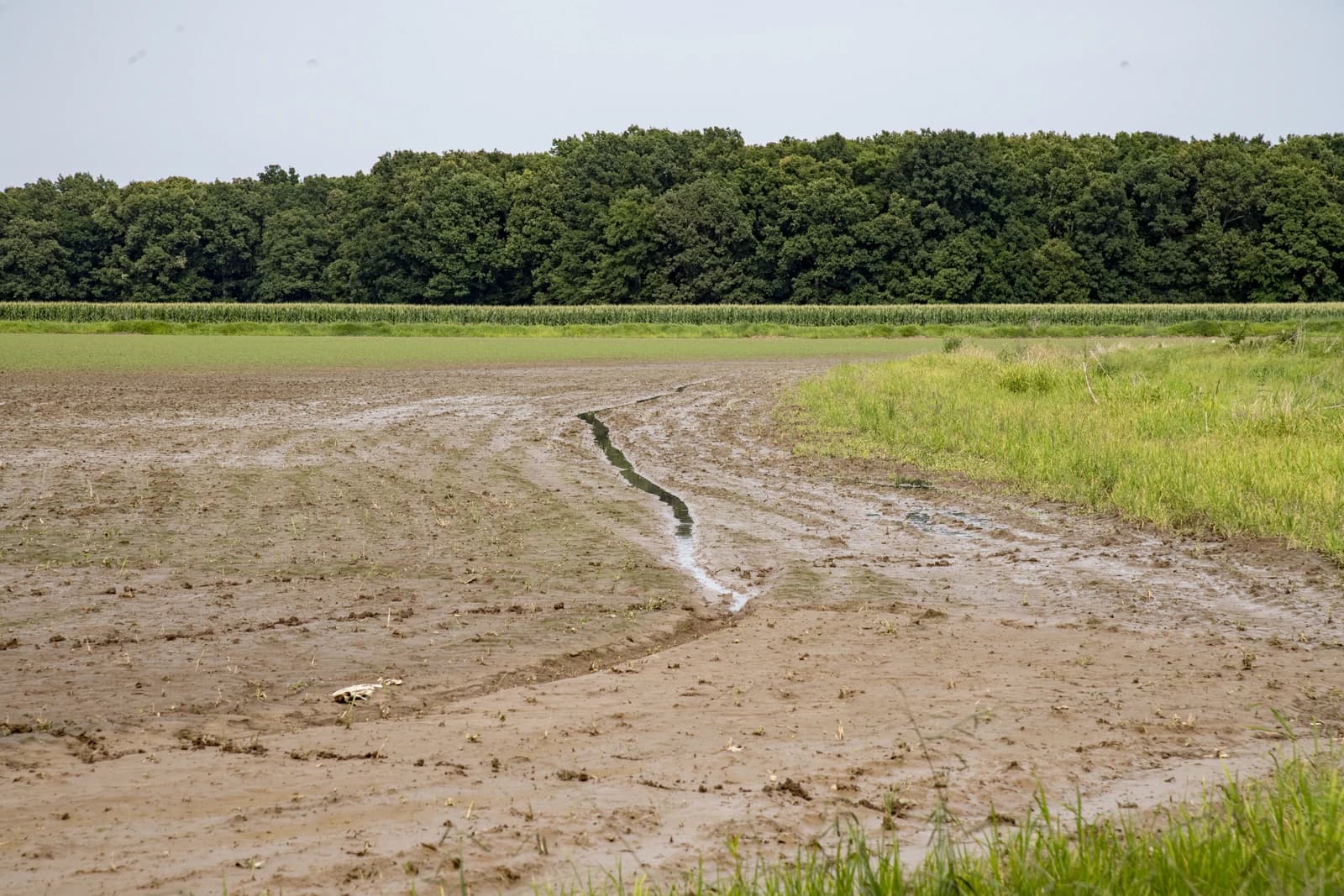
The core economic issue is not just farm income. If domestic production in Duarte and the wider Bajo Yuna region keeps eroding, the Dominican Republic could become more exposed to swings in global grain markets, shipping costs and U.S. weather — with the market for rice set increasingly by Chicago prices and U.S. supply conditions, not local harvests.
That is why the debate over rice imports matters for investors and agribusinesses too. Protectionist measures, tighter import controls or state buying programs could support local growers and processors, while also affecting regional traders, millers and food distributors that benefit from lower-priced foreign supply.
The warning comes from growers in Duarte, which they say produces more than 40% of the country’s rice and supports about 300,000 direct jobs. They say their workforce is aging, with many farmers now 50 to 70 years old, while younger family members leave for cities or the U.S. because rice farming is becoming unprofitable.
The growers say production costs have doubled, irrigation water arrives later and farmers often borrow at 2% a month before selling at a loss when cheaper imported rice lands in the market. Their proposed fixes include soft credit, better water management, safeguards on imports during harvest, direct state purchases for school meals and social programs, and clearer labeling of domestic versus imported rice.
The broader backdrop is a regional push for more sustainable rice production, including smarter farming methods and mechanization to cut costs and lift yields. For now, though, the immediate risk is that cheap imports continue to undercut local margins, leaving policymakers to decide whether they want lower shelf prices today or greater dependence on global suppliers tomorrow.
| Entity | Gains | Losses |
|---|---|---|
| Consumers | ▲Lower near-term rice prices | ▼Long-term supply security |
| Importers/traders | ▲Higher market share | ▼Tighter import controls |
| Dominican rice farmers | ▲Possible protections and support | ▼Margin pressure from cheap imports |
| Government buyers | ▲Stable local procurement | ▼Higher budget costs |