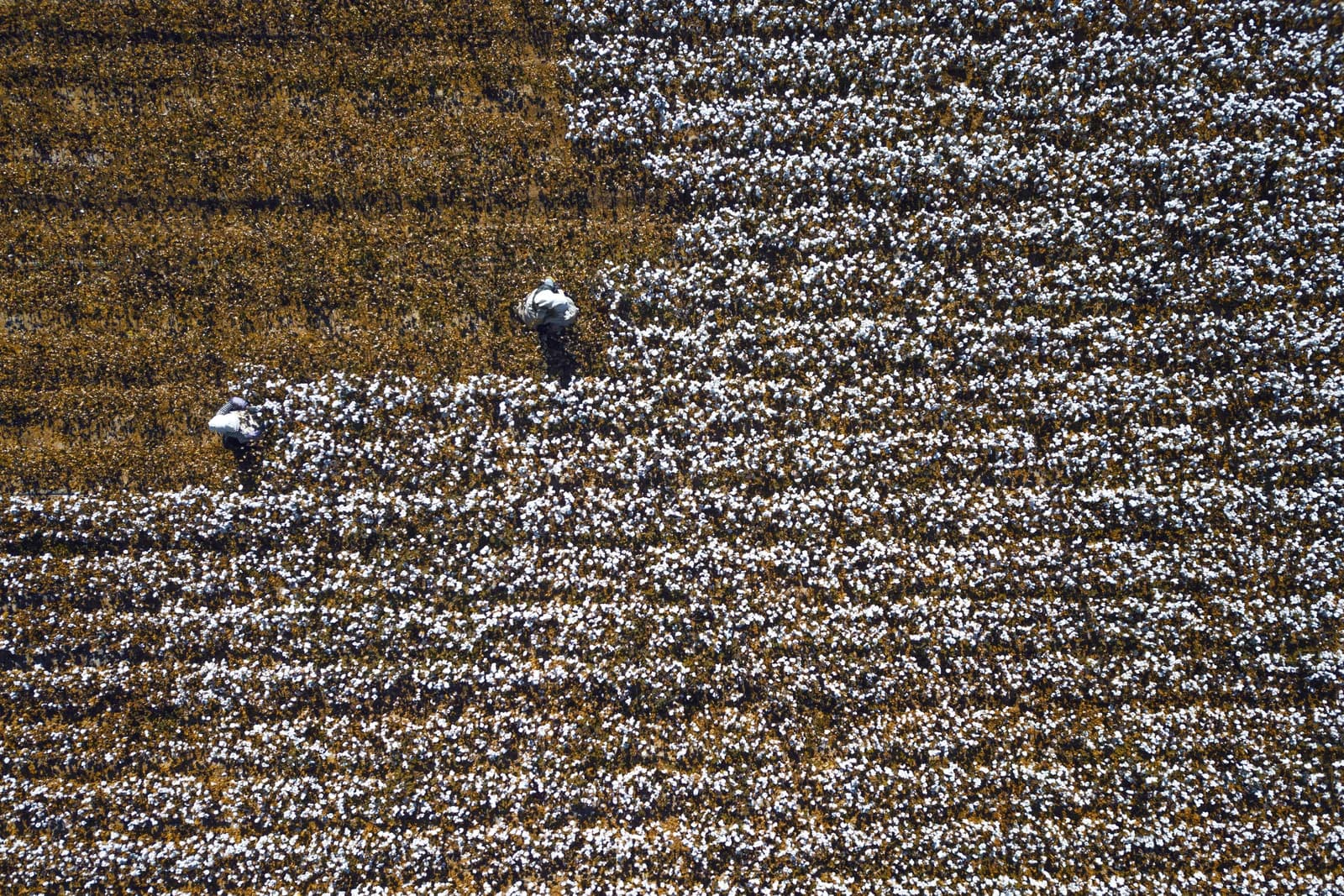
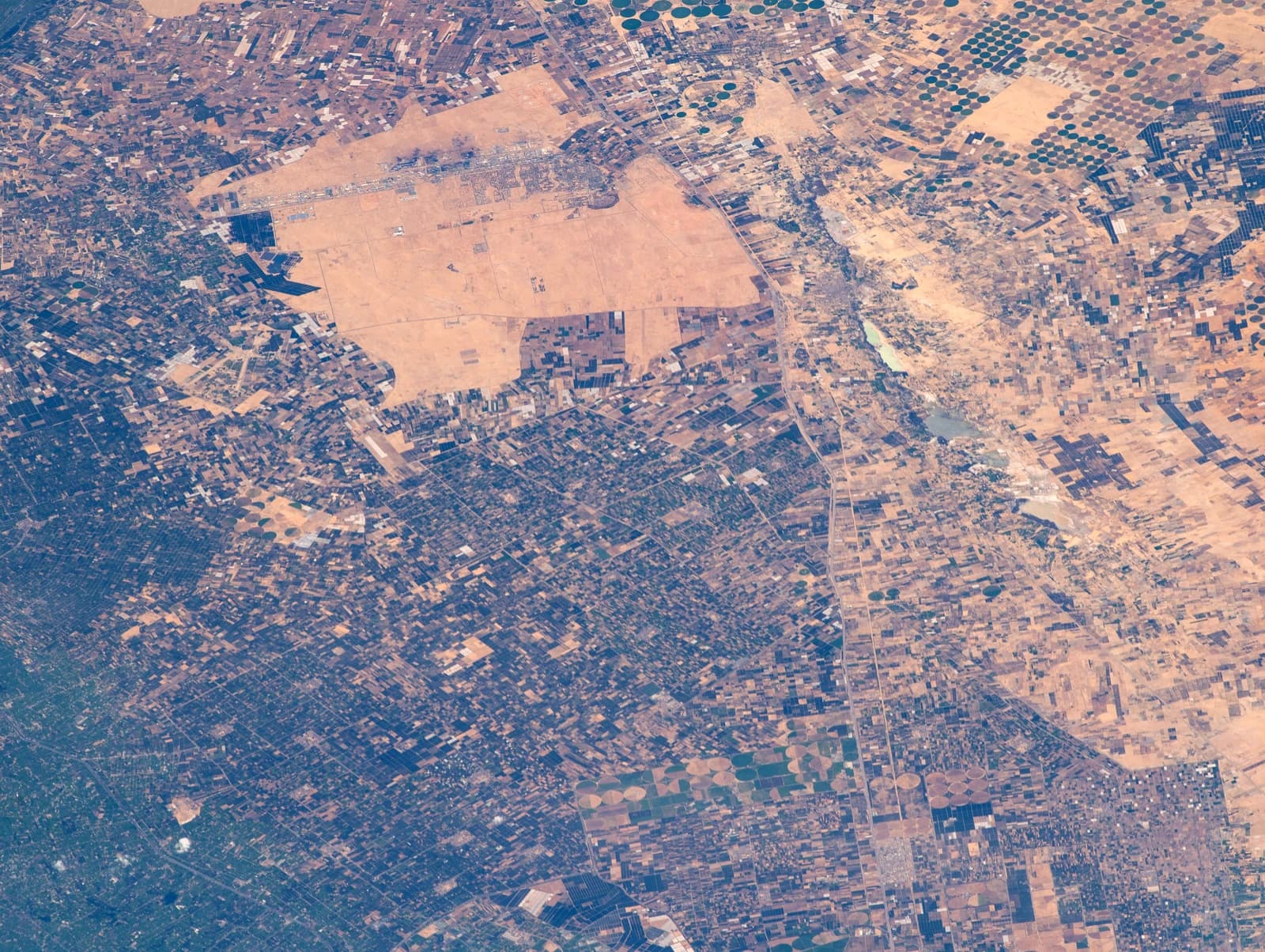
Sudan’s White Nile state is trying to turn rehabilitation work at the Tawila project into a food-security lifeline, with the governor inspecting corn operations as officials said the scheme can now irrigate 1,500 feddans and support about 14 surrounding villages.
Sudan White Nile Tawila irrigation project expands
That matters because in a country still wrestling with disrupted supply chains, high production costs and fragile rural livelihoods, reliable irrigation is the difference between an acreage plan and an actual harvest. The project’s reported capacity of four pumps handling 300,000 cubic meters an hour points to a meaningful effort to restore agricultural throughput, not just maintain it.
For investors and policymakers, the bigger story is the push to lower the cost of farming through water stability and alternative energy. When a state government starts talking about solar or other backup power for irrigation, it is acknowledging the core constraint in Sudanese agriculture: diesel dependence, expensive input costs and the risk of stalled pumping during critical growing periods. That raises the value of anything tied to irrigation equipment, farm inputs, storage and logistics across the broader agricultural chain.
The Tawila project is being positioned as a model for other irrigated schemes in White Nile state, which is important because model farms often become the template for capital allocation. If the rehabilitation holds, it could pull in more cultivated area, improve seed production and create a steadier flow of output into local markets. In a region where rural stability is closely tied to farm income, that can have a multiplier effect on employment, settlement and food availability.
The timing also matters. Corn and broader grain markets remain sensitive to any sign of yield disruption or recovery, especially as weather and supply shocks continue to ripple through global agriculture. While this is not a traded shock in itself, it is the kind of on-the-ground production repair that can gradually reduce import dependence and ease pressure on local food systems if execution follows through.
My takeaway: the market underestimates the investable value of irrigation resilience in frontier food systems. The winners are the operators who can keep water, power and maintenance flowing when others cannot. In Sudan, that is not a minor operational detail — it is the entire thesis.
| Entity | Gains | Losses |
|---|---|---|
| White Nile state authorities | ▲Political capital from visible progress | ▼Credibility if rehabilitation stalls |
| Tawila project farmers | ▲More reliable irrigation | ▼Dependence on public maintenance |
| Local villages around the project | ▲Better food security and jobs | ▼Exposure to water or power failures |
| Fuel-dependent farm operators | ▲— | ▼Higher-cost, less efficient production |