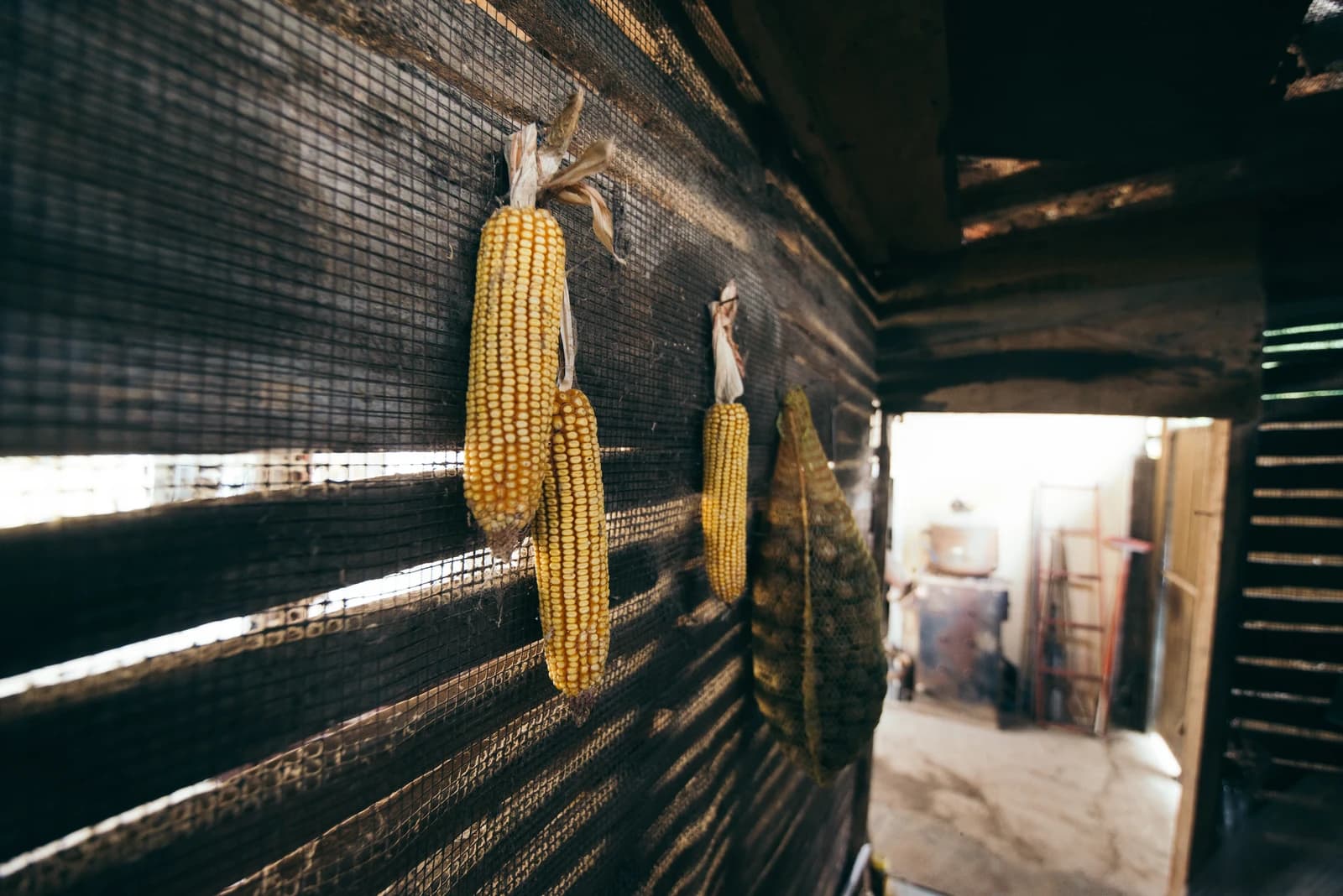
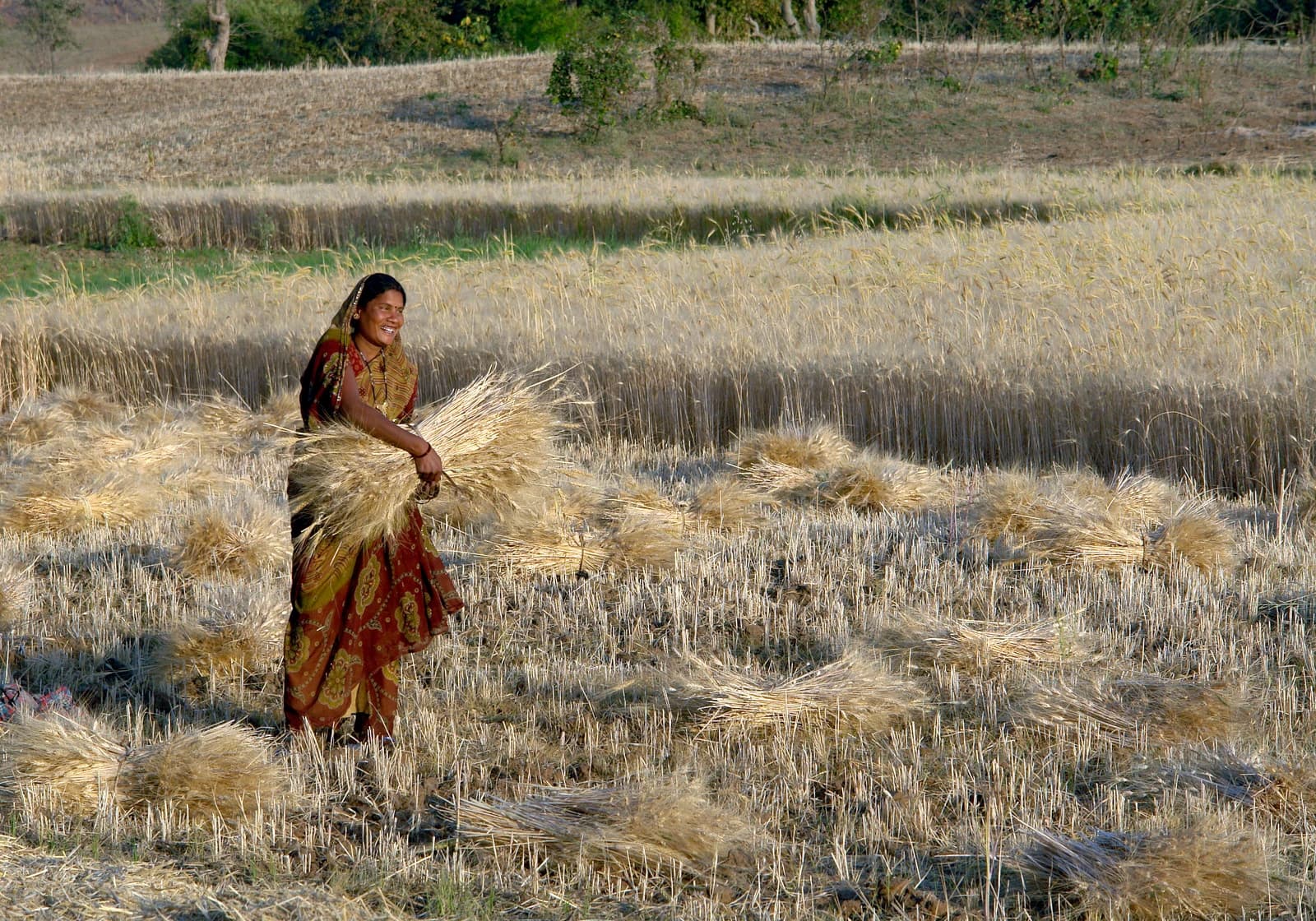
Hybrid corn seeds are becoming the most important lever in Africa’s food-security equation as drought-prone farms, weak yields and rising food demand push governments and agribusinesses toward higher-productivity seed technology.
Bayer DEKALB Hybrid Corn Gains in West Africa
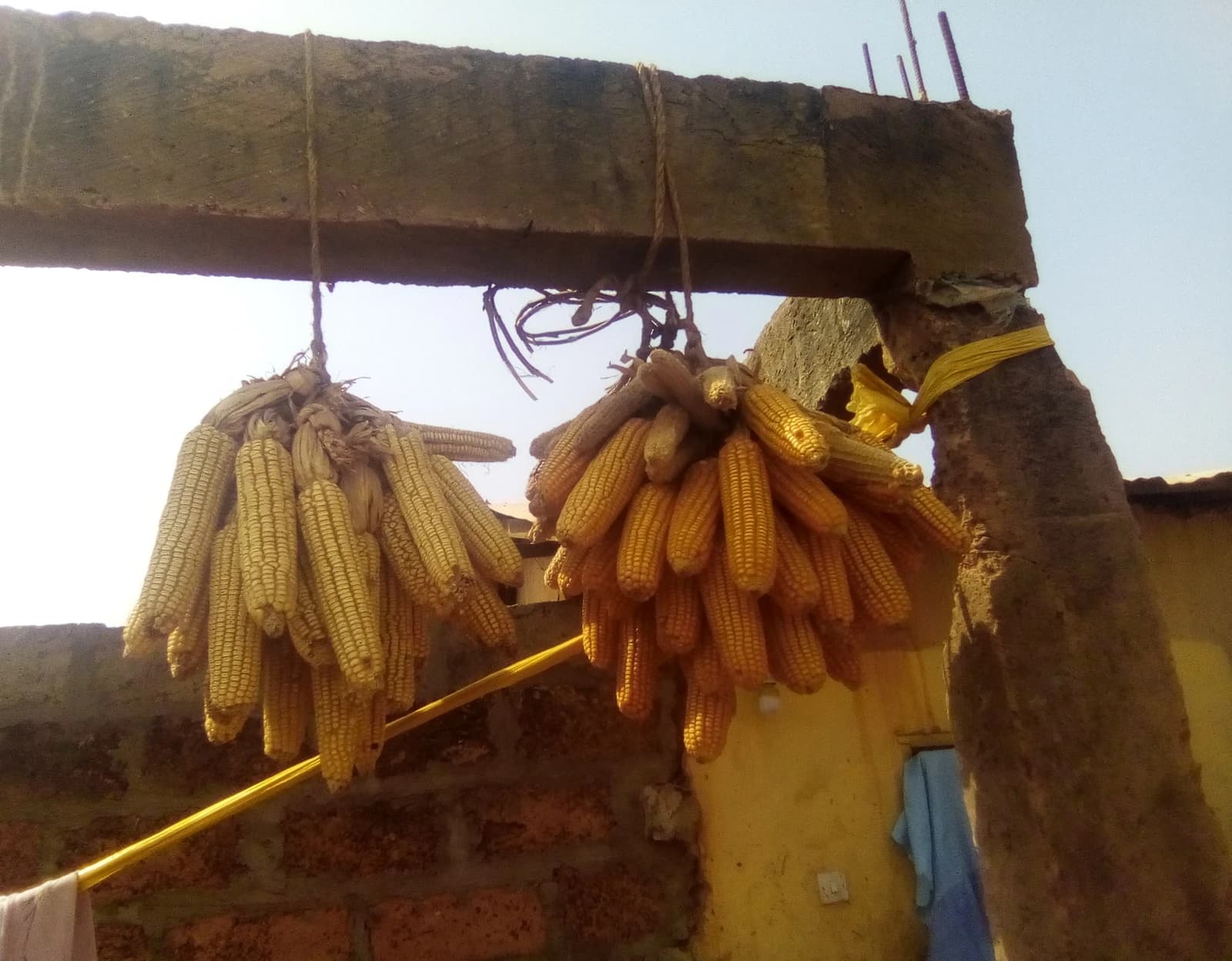
That is the real investment story behind Bayer West-Central Africa’s argument: the region already farms nearly 20 million hectares of corn, but low yields still force imports and keep food inflation vulnerable. The economic fix is not simply more acreage. It is better genetics, better agronomy and distribution models that can raise output on land already under cultivation.
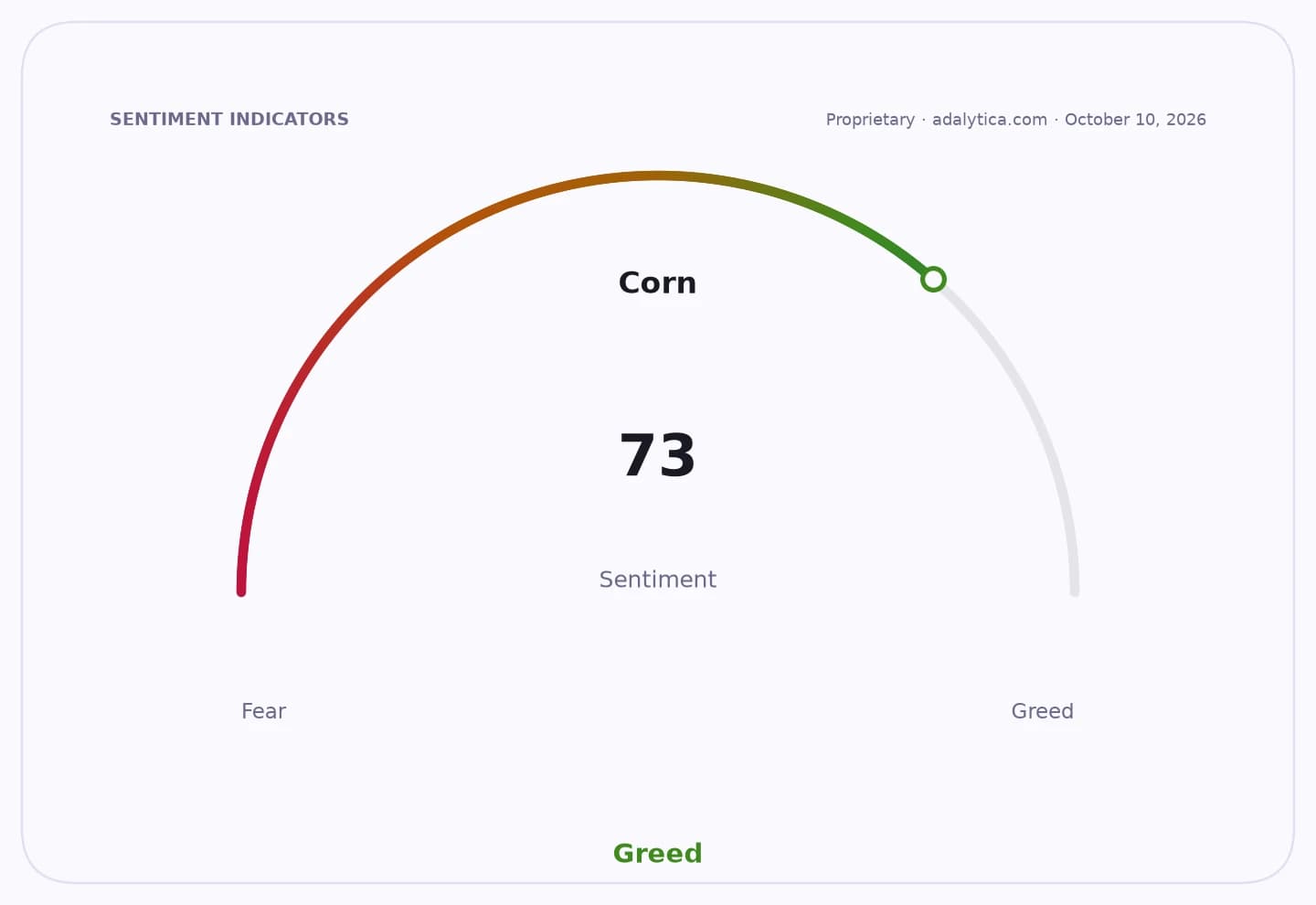
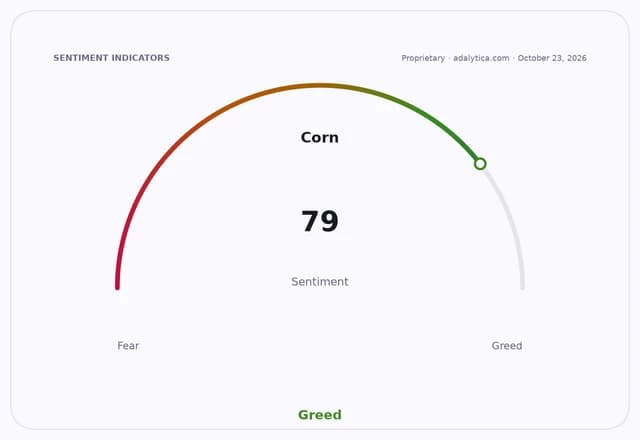
Sentiment IndicatorsⓘProprietary · adalytica.com · October 23, 2026
This is a snapshot — live sentiment, awareness and momentum for 130+ markets update continuously in the dashboard.Open AlphaPulse
For investors, that makes hybrid seed one of the clearest picks-and-shovels plays in the agriculture megatrend. The seed itself is only the first layer. The bigger opportunity sits in the ecosystem around it — trait development, seed treatment, crop protection, dealer networks, farmer finance, digital advisory tools and local processing capacity. In other words, whoever helps African farmers convert existing hectares into more grain has a direct line to food security, rural incomes and operating leverage.
Bayer says its DEKALB hybrid corn varieties can produce more than 10 tons per hectare when paired with good farming practices, while some of its Better Life Farming centers have lifted yields from 3.5 tons to 8 tons per hectare. That is the kind of productivity jump that matters economically because it expands domestic supply without requiring frontier land conversion, while also supporting feed demand from poultry, aquaculture and livestock industries.
The macro backdrop strengthens the case. Agriculture accounts for about 16% of regional GDP and nearly half of the labor force in West and Central Africa, so yield gains can ripple through wages, rural spending and trade balances. Higher domestic corn output can also reduce import dependence at a time when global food markets remain unstable and climate volatility is making harvest outcomes less predictable.
The market is underestimating how durable this theme can be. Corn prices have held firmer than soybeans in recent trade, and the Corn Fear & Greed Index from Adalytica.com has surged to 79 from 58 two days earlier, showing the market is turning more constructive on corn even as uncertainty stays elevated. That doesn’t change the long-term thesis, but it does reinforce that corn-linked supply chains are where scarcity pricing and investment attention can converge.
The listed beneficiaries are not just the seed companies. Bayer stands to gain from rising adoption, but so do input distributors, local farm-service operators and food processors with access to more reliable corn supply. Corn users benefit too: feed makers, poultry producers and starch processors gain from improved local availability. The losers are import-dependent buyers, low-yield farmers stuck with older seed stock and food systems exposed to every weather shock.
The next catalyst is adoption, not rhetoric. If more African governments, cooperatives and private buyers expand access to hybrid seed, financing and agronomy support, the region can start turning corn from a structural vulnerability into an investable growth story. For long-term investors, that argues for leaning into the seed-and-agriculture infrastructure complex before consensus fully catches up.
| Entity | Gains | Losses |
|---|---|---|
| Bayer / DEKALB | ▲Higher seed adoption | ▼Legacy seed rivals |
| African farmers | ▲Better yields, income upside | ▼Low-productivity growers |
| Feed makers / processors | ▲More reliable corn supply | ▼Import-dependent buyers |
| Governments / consumers | ▲Lower import pressure | ▼Food inflation exposure |