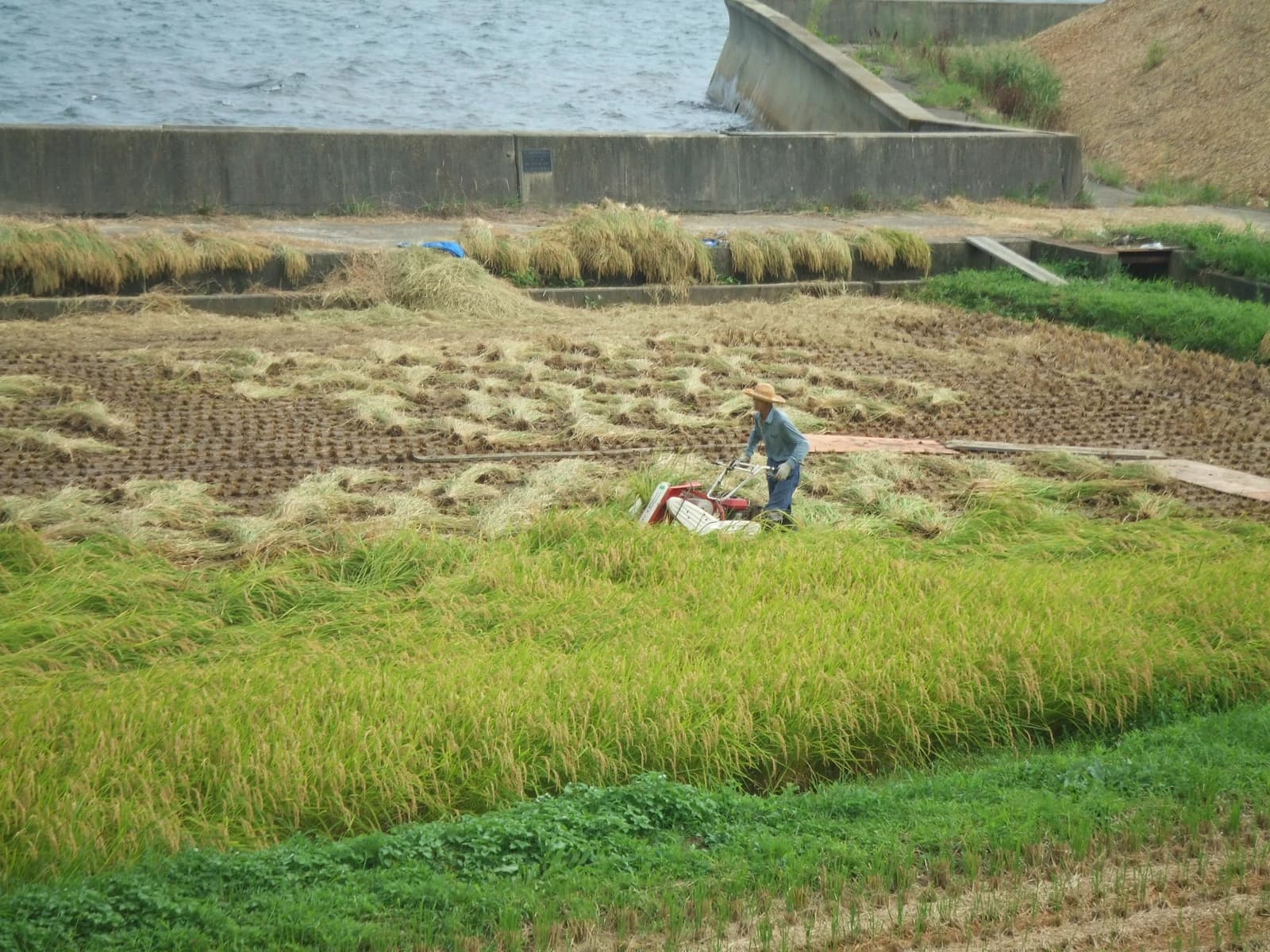
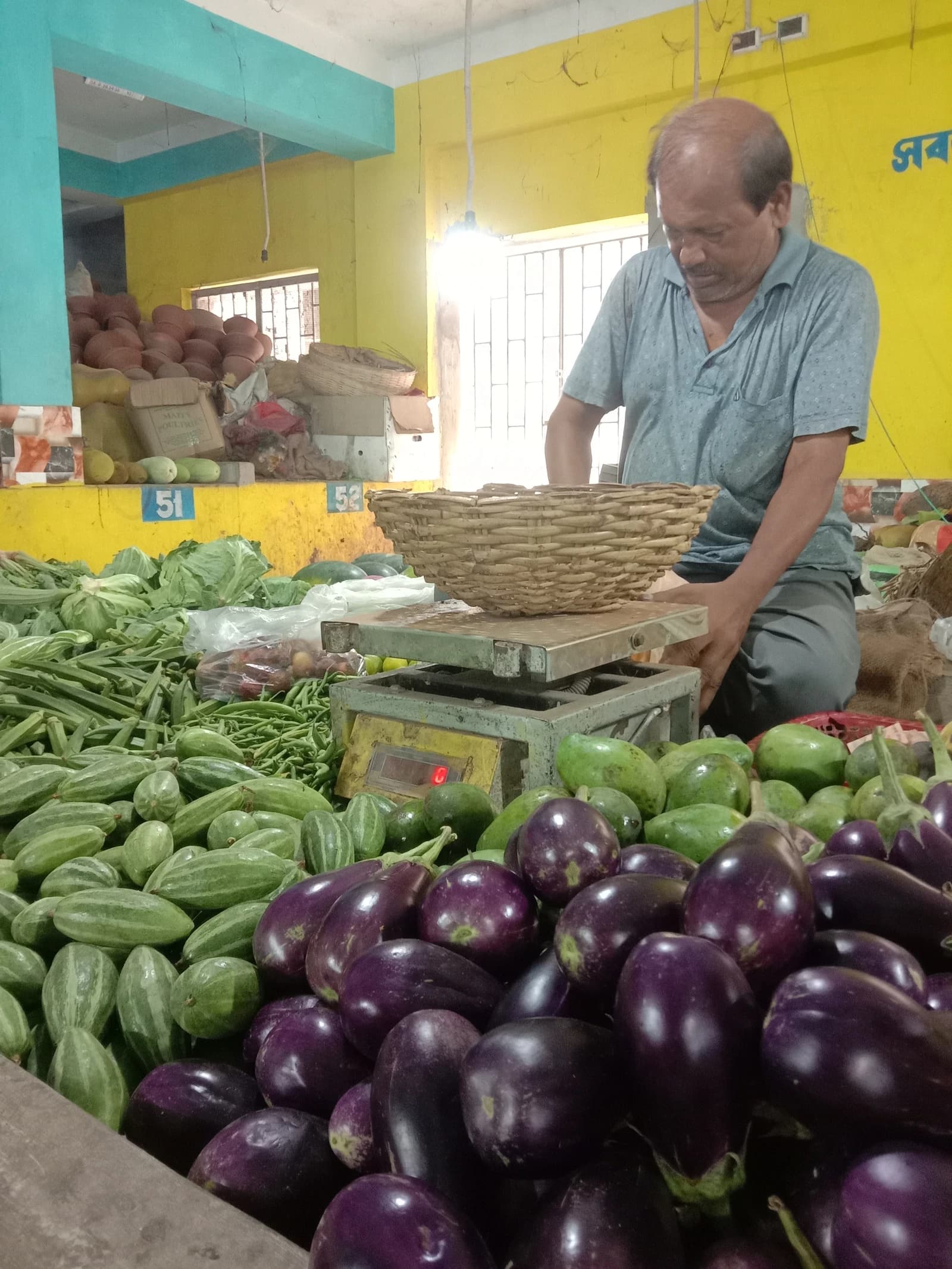
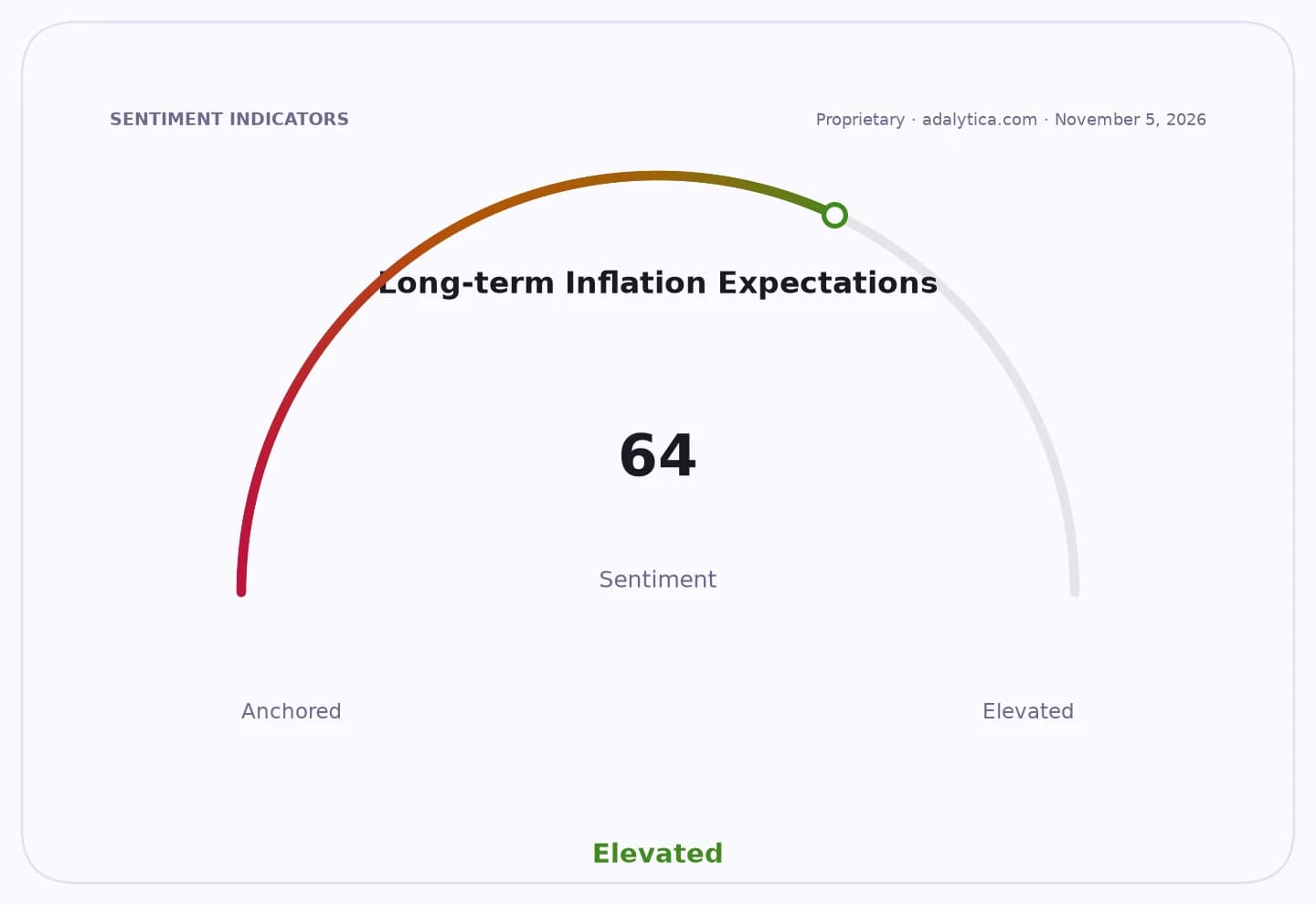
A new Rs. 500-per-quintal bonus on pulses is set to lift farmgate returns and accelerate a shift away from water-hungry paddy, giving growers a more attractive price floor at a time when erratic rainfall and El Nino risks are squeezing output.
India pulses bonus lifts farmgate returns
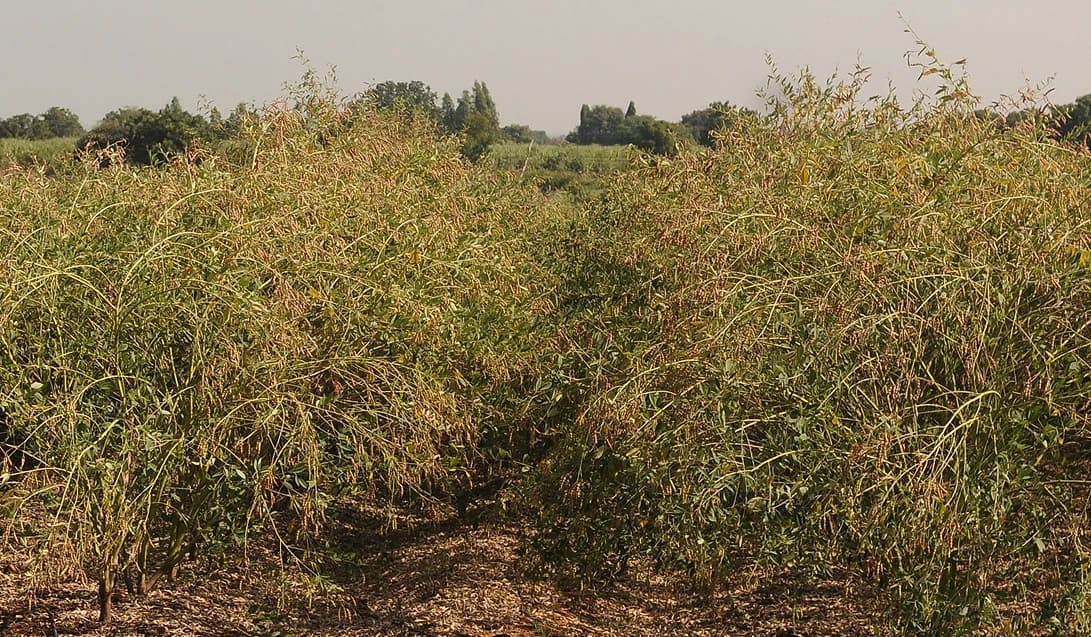
The move matters because it tackles two problems at once: farmer incomes and water stress. Local cooperative leaders in Telangana said they will buy tur, moong, urad, chana and other pulses at the government’s support price plus the bonus, while also encouraging farmers to move away from rice in areas where irrigation is becoming unreliable. That is economically significant in a country where paddy remains the dominant crop in many regions even as groundwater depletion, power shortages and uneven rainfall raise the cost of producing it.
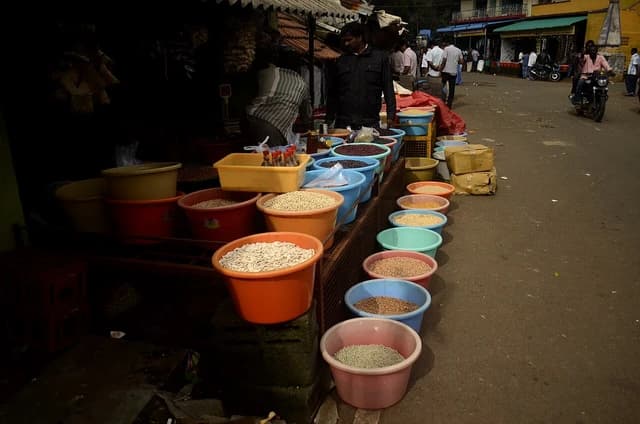
For farmers, the incentive is immediate and concrete. A Rs. 500 premium over the minimum support price improves the economics of pulses, which are cheaper to grow, less water-intensive and often better suited to stress-prone districts. For the state and procurement agencies, the policy is also strategic: boosting pulses output can help reduce dependence on imports, support domestic food inflation management and preserve scarce water and electricity resources.
The plan goes beyond procurement. The cooperative said it will set up a dal mill so that harvested pulses can be processed locally and sold as lower-cost, higher-quality pulses after milling. That adds another layer of value capture for growers and rural institutions, while potentially improving margins in a supply chain where farmers often lose pricing power to traders and middlemen.
Investors should read this as more than a local farm announcement. It reinforces the broader theme that India’s agri policy is tilting toward climate resilience, crop diversification and processing infrastructure. That favors companies and funds exposed to farm mechanization, irrigation efficiency, storage, agri-processing and packaged foods, while pressuring the long-term logic of water-intensive cropping patterns in stressed regions.
The bigger trade here is that the market still underestimates how quickly policy can reprice rural production choices when water becomes scarce. If more states follow this model, pulses could see a stronger multi-year demand and procurement backdrop, while fertilizer, seed and food-processing beneficiaries tied to resilient crops gain visibility. In a tight climate cycle, the winners are likely to be the businesses that help farmers produce more with less water.
| Entity | Gains | Losses |
|---|---|---|
| Pulse farmers | ▲Higher procurement returns | ▼Less exposure to paddy economics |
| Cooperative mills/processors | ▲More local throughput | ▼Margins under pressure from procurement costs |
| Water-stressed districts | ▲Lower resource use | ▼Paddy acreage |
| Rice traders/input-heavy paddy value chain | ▲— | ▼Reduced crop preference |