India’s water shortage is emerging as a bigger economic risk than the recent inflation scare around food and fuel, threatening both farm output and the investment case for the country’s industrial boom.
India water shortage raises growth and inflation risks
Long-term Inflation Expectations
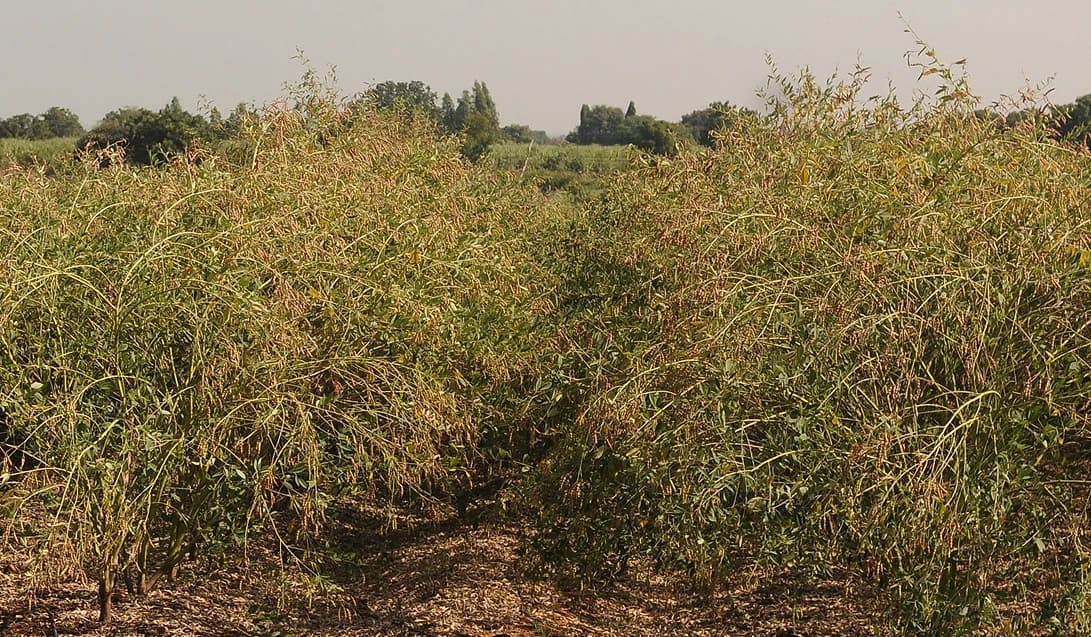
The problem is not just environmental. It cuts directly into the two pillars of India’s growth narrative: food security and manufacturing capacity. With the World Economic Forum estimating that India has only 4% of the world’s freshwater resources for 18% of its population, the supply gap is already showing up in the fields. In Maharashtra’s Jalna district, rainfall is running about 48% below average, leaving farmers unable to sow wheat and chickpeas on time. That raises the odds of another round of pressure in staples already under strain, including sugar, pulses, rice and vegetables.
Sentiment Indicators
For investors, the risk is that water scarcity turns a cyclical inflation problem into a structural one. India’s consumer price basket is highly sensitive to food costs, and weaker winter sowing could keep farm prices elevated even if imported crude eases. The latest concern around rising oil prices could add as much as 1 percentage point to inflation, according to the data cited, compounding an existing squeeze from poor monsoon rainfall. That matters for monetary policy, household purchasing power and corporate margins, especially in consumer-facing industries with limited pricing power.
The bigger longer-term issue is that water is now a constraint on India’s industrial ambitions. Semiconductors, pharmaceuticals, data centres, steel, chemicals and textiles all require reliable water access, and the country’s push to become a manufacturing hub cannot easily coexist with chronic shortages. NITI Aayog has warned that water demand could be twice supply by 2030, with potential GDP losses of up to 6%. Thermal power plants have already shut down at times because of shortages, underlining how quickly the problem can spread beyond agriculture into energy, logistics and industrial output.
That makes water infrastructure an economic story, not just a civic one. The mismatch is stark: of roughly 72.36 crore litres per day of sewage generated in India’s cities, only 20.23 crore litres is treated. Expanding wastewater recycling, pricing water more rationally and curbing groundwater overuse would do more to de-risk growth than simply searching for new sources. If treated water can be reliably supplied to thermal plants, data centres and industrial clusters, it could ease competition for freshwater and lower the odds of factory disruptions.
The bull case is that India still has the policy room and engineering capacity to adapt before scarcity becomes binding across the economy. The bear case is that the country’s demographic and industrial expansion will outrun reforms, leaving inflation stickier and capital spending less productive. For markets, that means water availability should increasingly be treated as a valuation input for Indian agriculture, utilities, industrials and the broader growth premium assigned to the economy.
| Entity | Gains | Losses |
|---|---|---|
| Wastewater recycling firms | ▲Higher demand | ▼N/A |
| Farmers and food consumers | ▲N/A | ▼Lower yields, higher prices |
| Industrial users with secure water access | ▲More reliable operations | ▼Capacity disruptions |
| India’s growth story | ▲N/A | ▼Higher inflation and slower investment |