Vegetable prices in Guwahati have risen far faster than they should for a supply route only about 80 km long, exposing how weak logistics and middlemen are inflating food costs across Assam.
Assam vegetable prices widen between farms and Guwahati
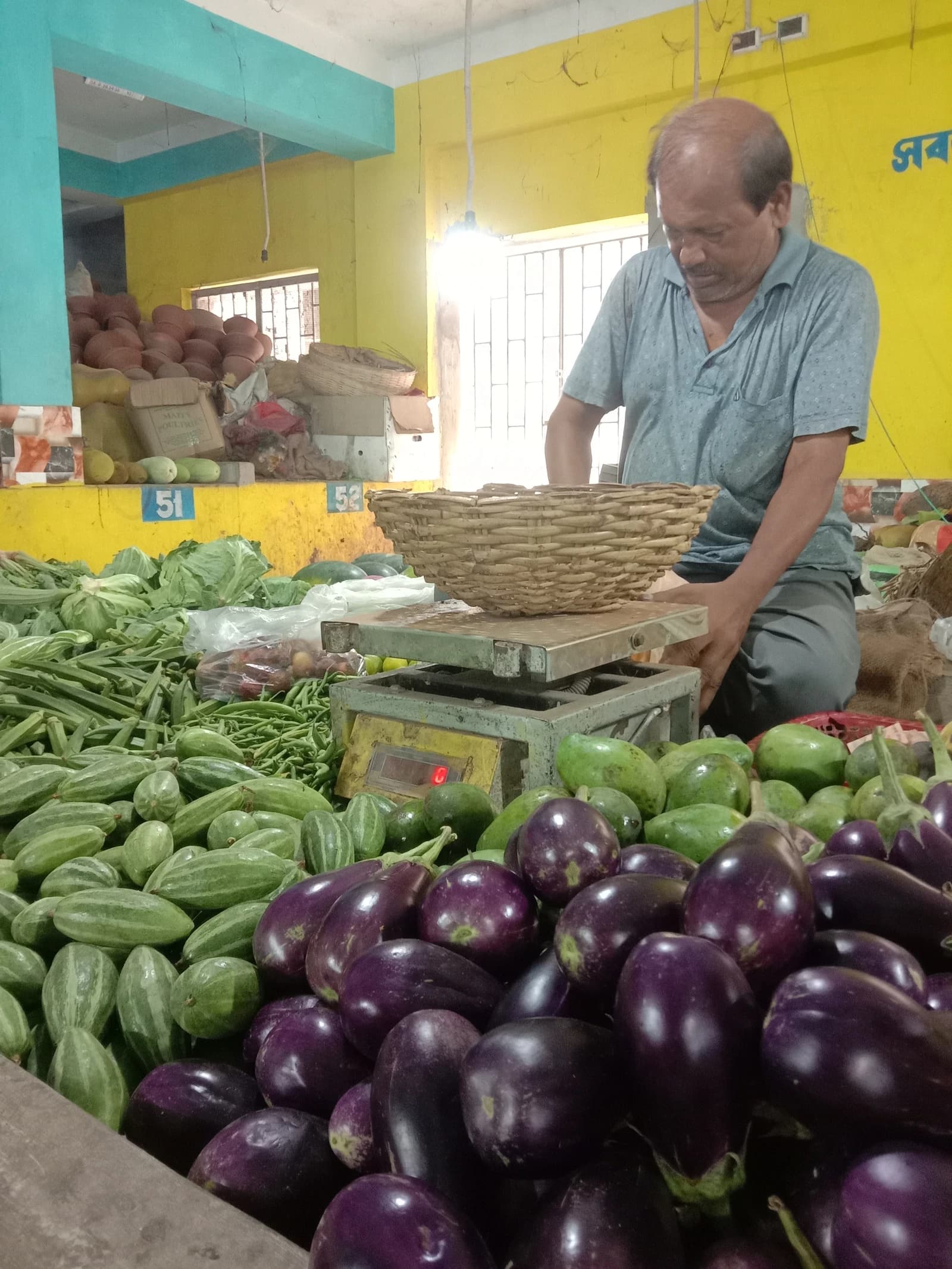
The price gap is so wide that it has become an economic problem rather than a simple retail inconvenience. At Kharupetia, a gourd sells for Rs 10-Rs 12 wholesale, but in Guwahati it reaches Rs 50-Rs 60. Cauliflower fetches Rs 6-Rs 7 a kilogram at the source and Rs 80-Rs 100 in the city, while radish and brinjal show similar markups. That implies price inflation of roughly 500% to 1,000% between farmgate and retail, a spread that cannot be explained by transport alone.
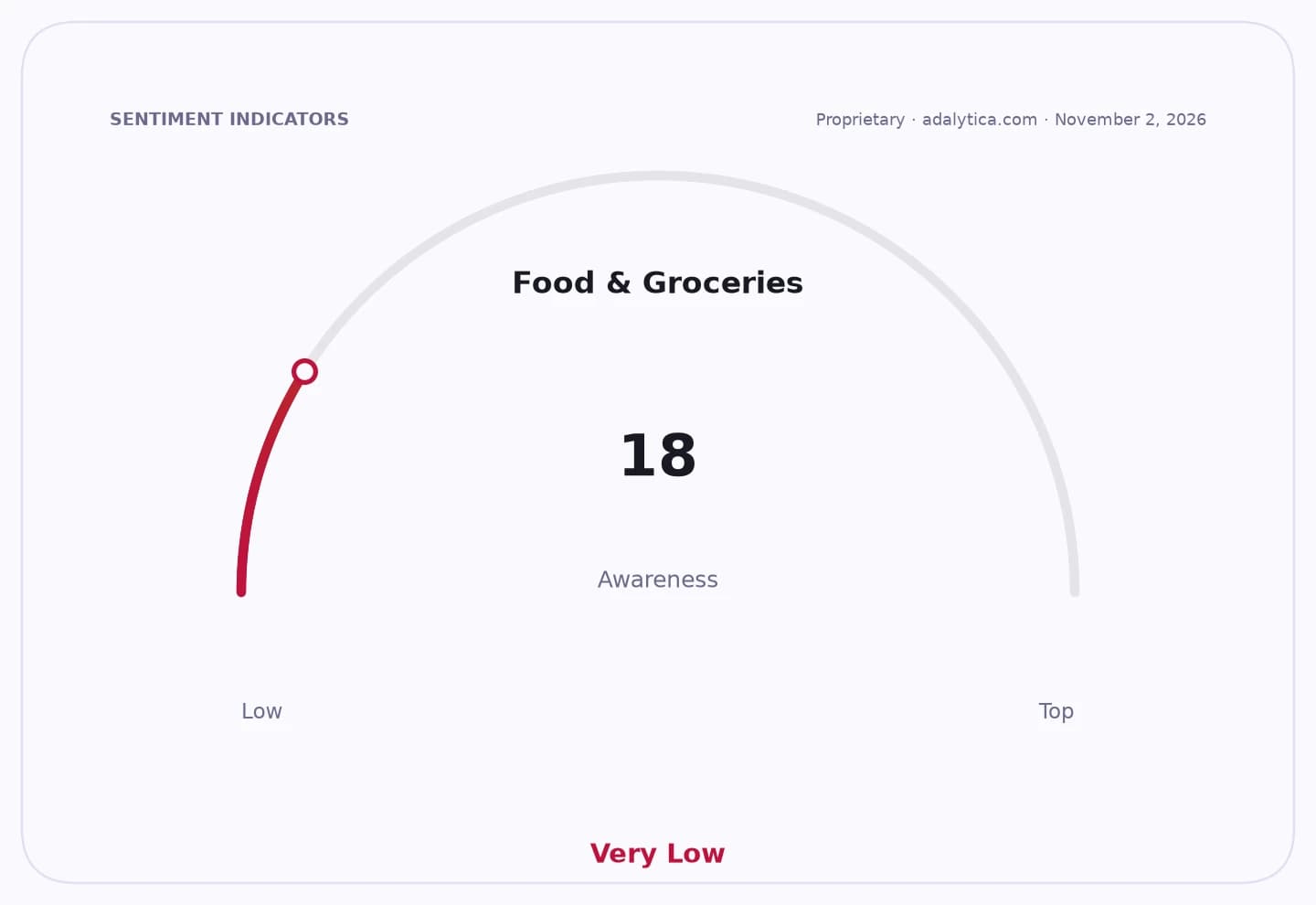
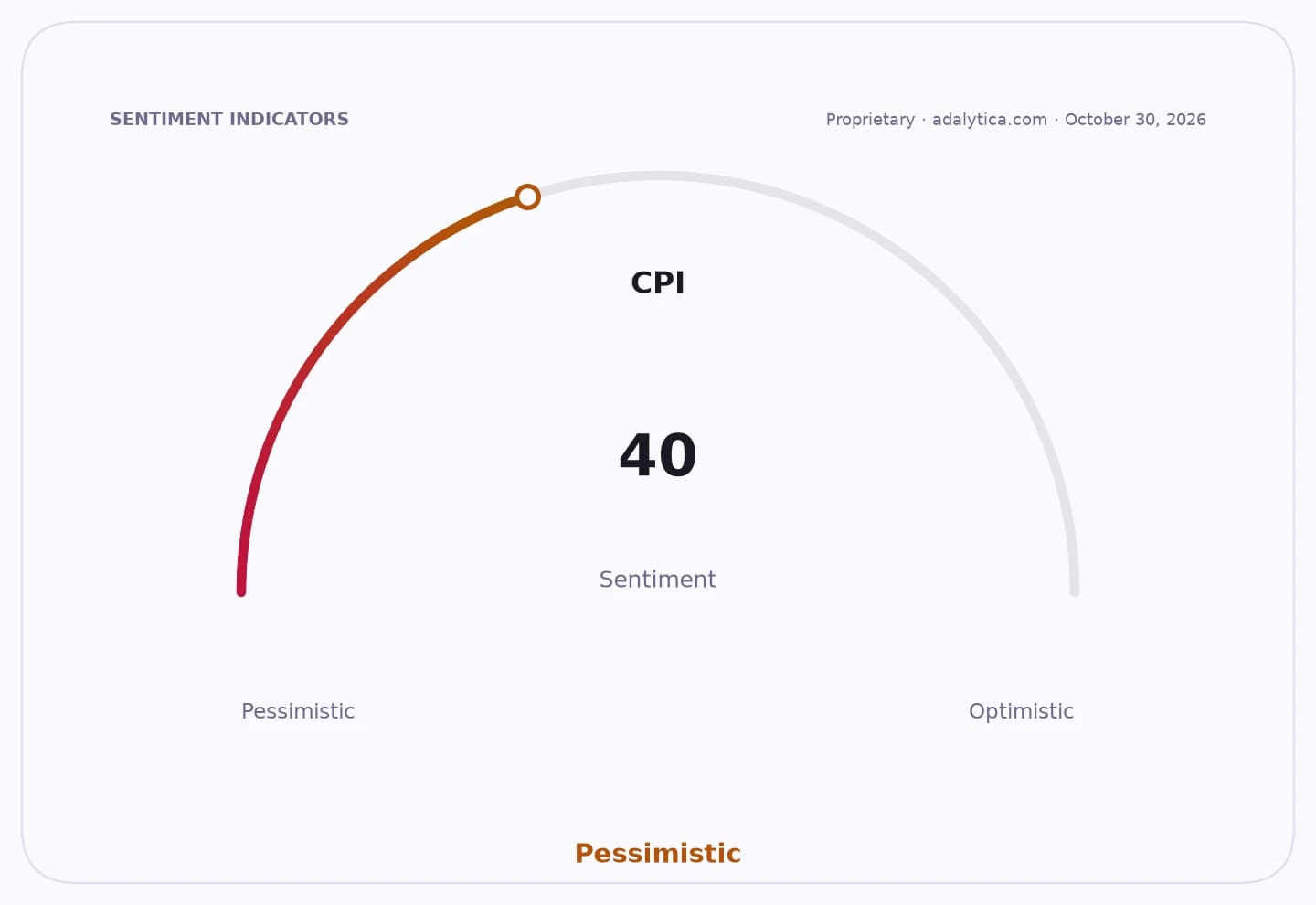
Sentiment Indicators
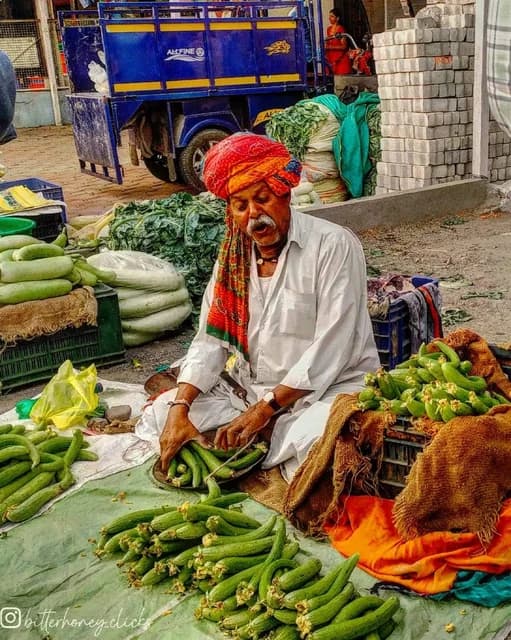
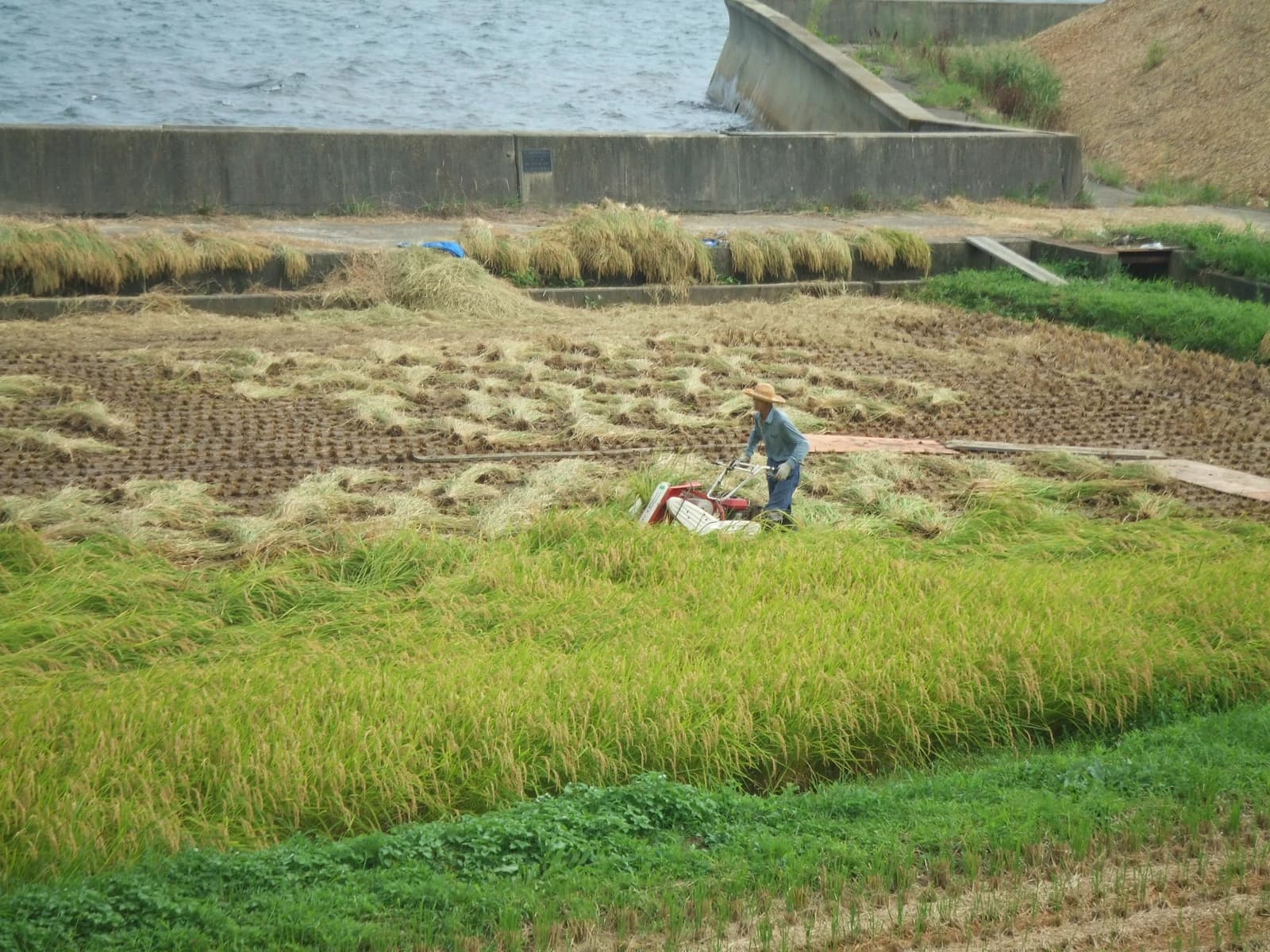
For Assam, the distortion matters because vegetables are a core household expense and a major source of income for rural producers. The state produces about 3.9 million metric tonne of vegetables annually, with Barpeta, Kamrup and Darrang among the main growing belts. Yet the report suggests that farmers are not capturing value from that output because inadequate cold storage, weak post-harvest handling and thin processing capacity force them to sell quickly to intermediaries.
That leaves consumers paying urban scarcity prices while growers still struggle to realize returns. Perishable produce such as tomatoes is reportedly left on roadsides when prices collapse, underscoring the absence of a functioning market backstop. The result is a classic supply-chain failure: inefficient distribution compresses farm incomes at one end and raises food inflation at the other.
For investors and operators in the agribusiness and food retail chain, the story points to structural opportunity as much as policy failure. Better warehousing, cold-chain assets, processing capacity and organized procurement could narrow the spread, improve margins for efficient distributors and reduce volatility in local prices. The unused cold storage unit at Kharupetia is a reminder that capital spending alone is not enough if public infrastructure is poorly managed.
The broader implication is that Assam’s vegetable market is effectively taxing households through leakage and middlemen, not through true scarcity. Unless logistics improve, the price gap between producing districts and Guwahati is likely to remain a drag on consumer spending power and a persistent headwind to farm income growth.
| Entity | Gains | Losses |
|---|---|---|
| Middlemen | ▲Wider price spreads | ▼Price transparency |
| Guwahati consumers | ▲Better supply chain, lower prices | ▼Current retail bills |
| Farmers in Barpeta, Kamrup, Darrang | ▲Cold chain and processing access | ▼Forced distress sales |
| Logistics and cold-storage operators | ▲New investment demand | ▼Status quo inefficiency |