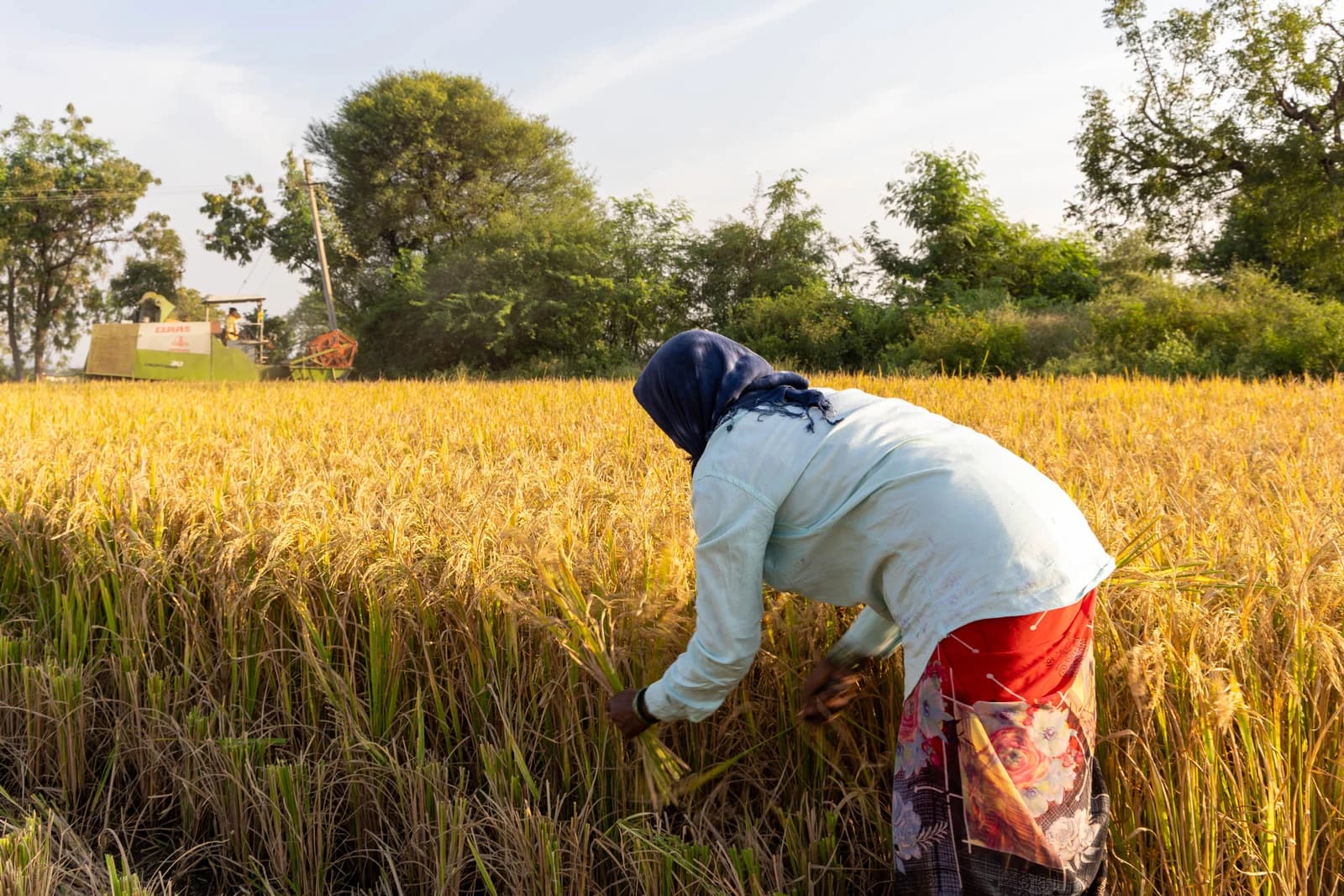
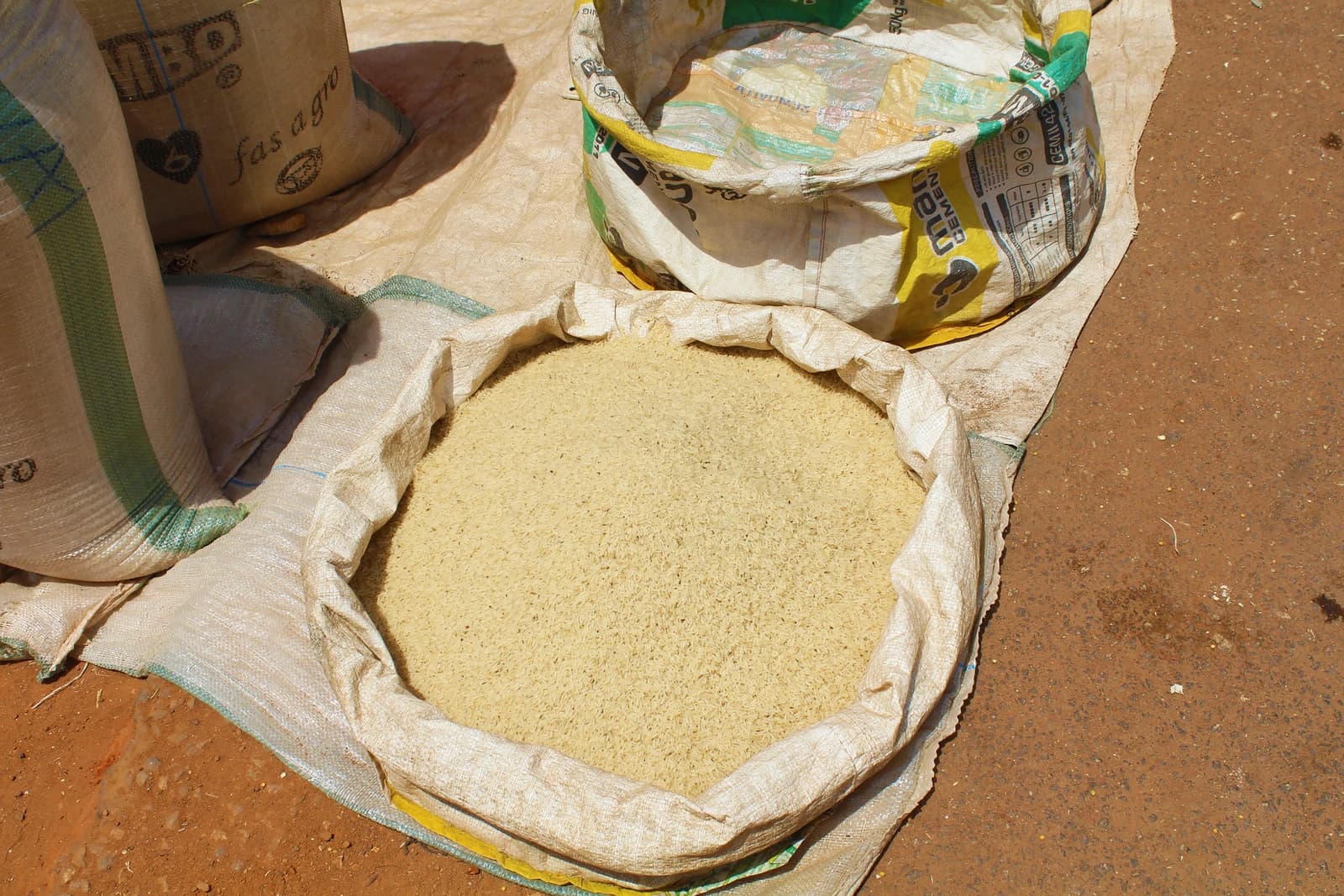
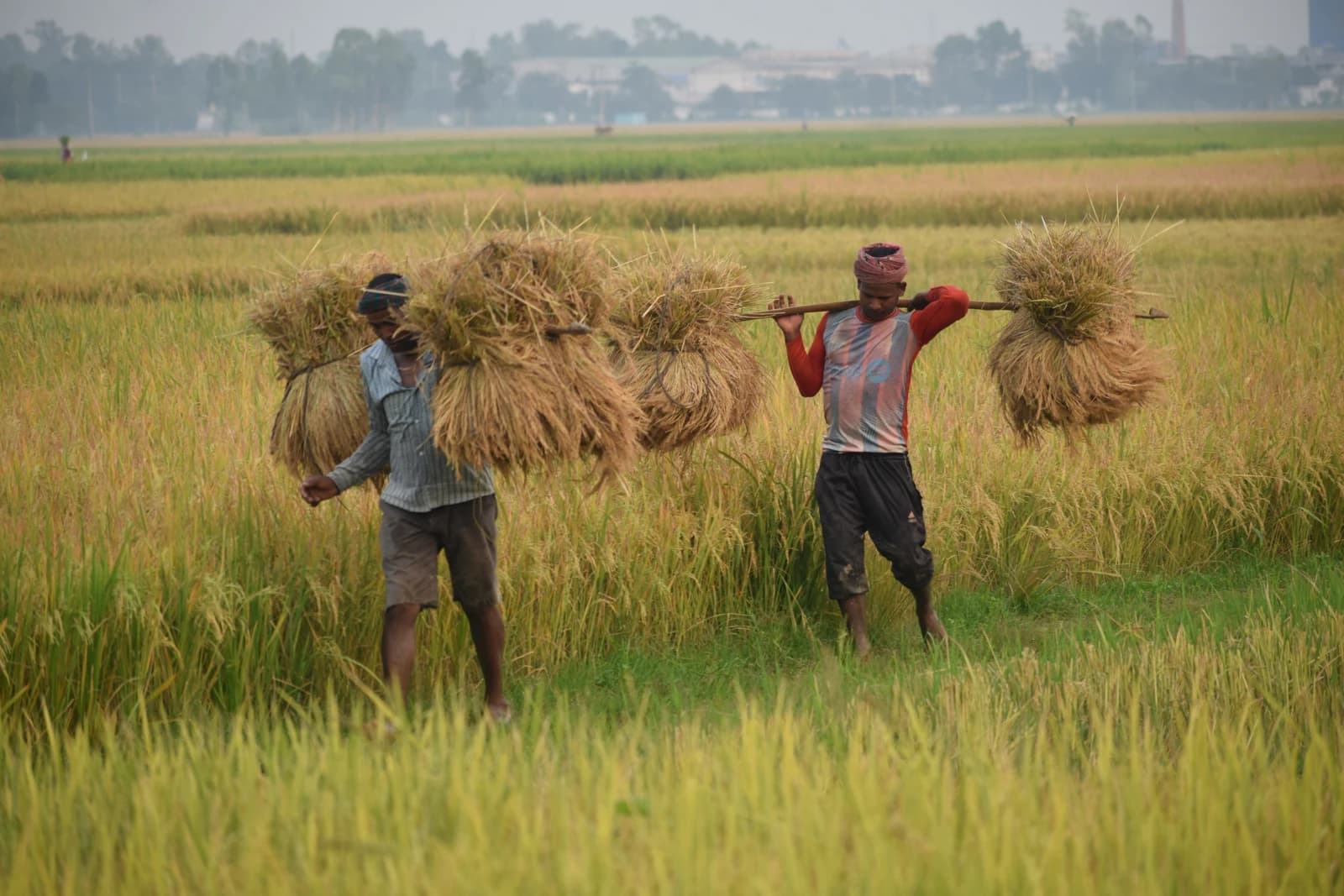
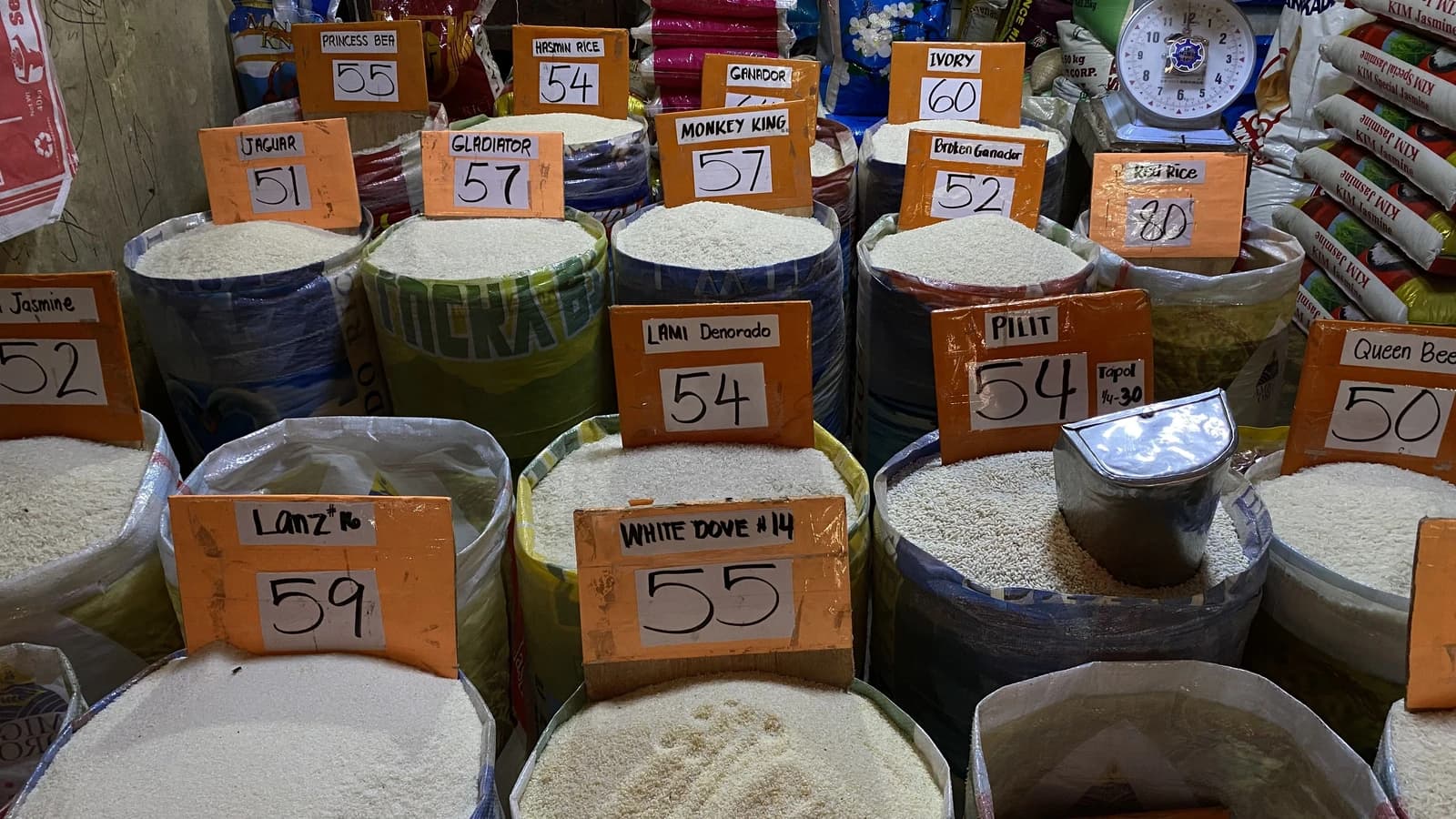
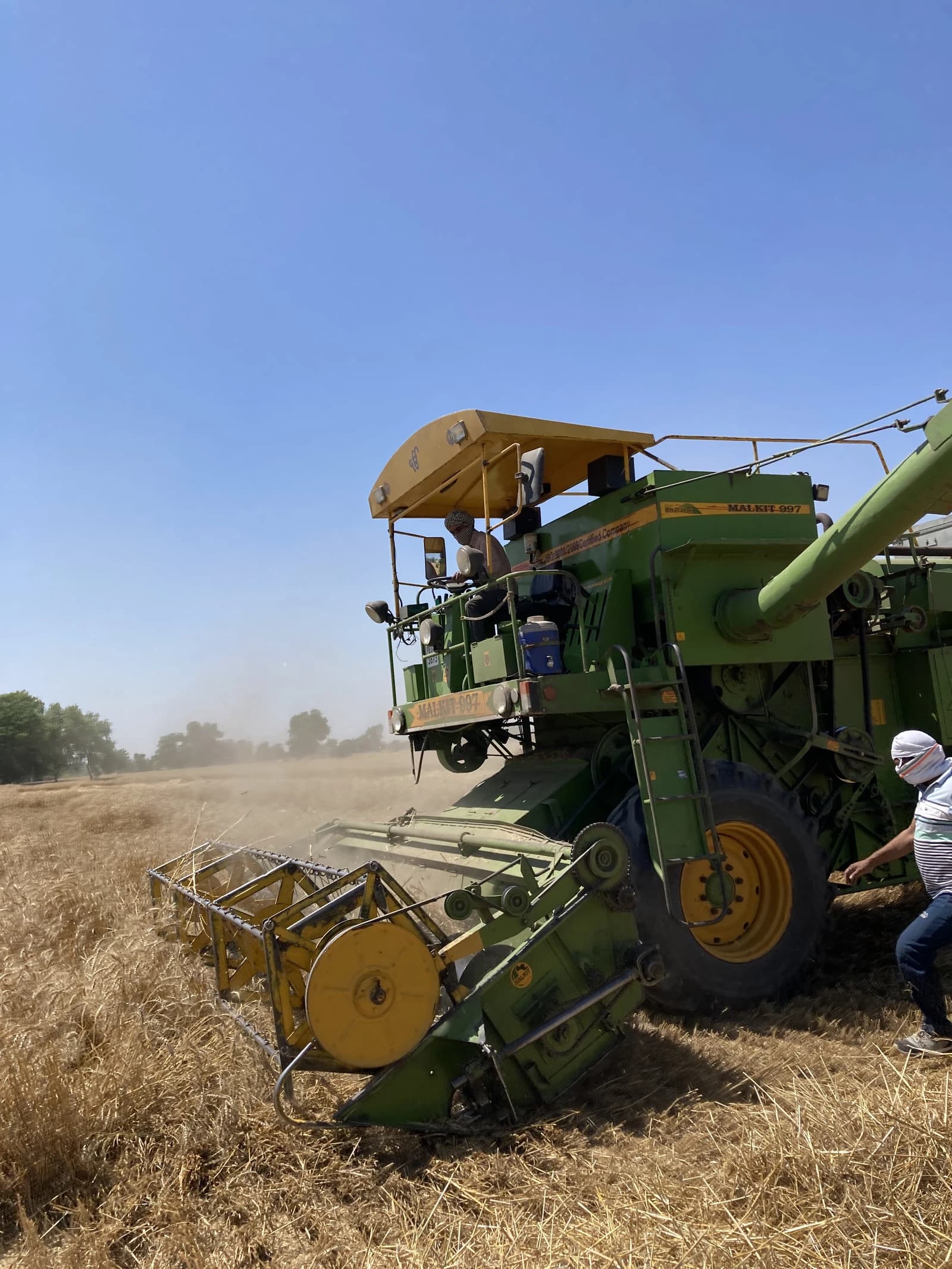
India is doubling the amount of rice it plans to sell from state stocks to private buyers, stepping up market intervention to cool prices as the world’s biggest exporter faces its first output drop in a decade.
India doubles rice sales from state stocks
The government raised its open-market sales target to 5 million metric tons for fiscal 2026/27, up from a previous goal of 2.5 million tons, after prices climbed on worries that production will fall sharply. Officials are also tightening stock controls in key southern states through Jan. 31, 2027 to curb hoarding and illegal trade.
Sentiment Indicators
The move matters well beyond India’s domestic food market because the country sits at the center of global rice supply. Any sustained shortfall in output or tighter export availability can ripple through Asian food inflation, import bills for poorer buyers and inflation expectations more broadly.
Industry officials have warned that rice production could decline for the first time in 10 years, with the drop potentially the largest in nearly two decades after below-normal monsoon rains during the crop’s maturation stage threatened yields. India has received rainfall nearly 13% below normal since the start of the monsoon season.
The government has already sold 2.5 million tons to private buyers this year, more than double the 1.1 million tons sold in the same period last year, showing how aggressively New Delhi is leaning on state reserves to keep supply flowing.
For investors, the signal is straightforward: rice inflation risk is not easing quickly, and policymakers are prepared to trade off stockpile levels to protect consumers. That keeps pressure on grain traders, food companies and inflation-sensitive assets tied to South Asia, while also raising the odds of further export restrictions if domestic prices keep rising.
India may still broaden controls if the weather outlook worsens or retail prices stay elevated heading into the next harvest cycle.
| Entity | Gains | Losses |
|---|---|---|
| Indian consumers | ▲Lower rice price pressure | ▼Less government reserve flexibility |
| Private rice buyers | ▲More supply from state stocks | ▼Higher policy uncertainty |
| India government | ▲Better inflation control | ▼Smaller public stock buffer |
| Global rice importers | ▲Potentially steadier availability if sales rise | ▼Risk of tighter export curbs |