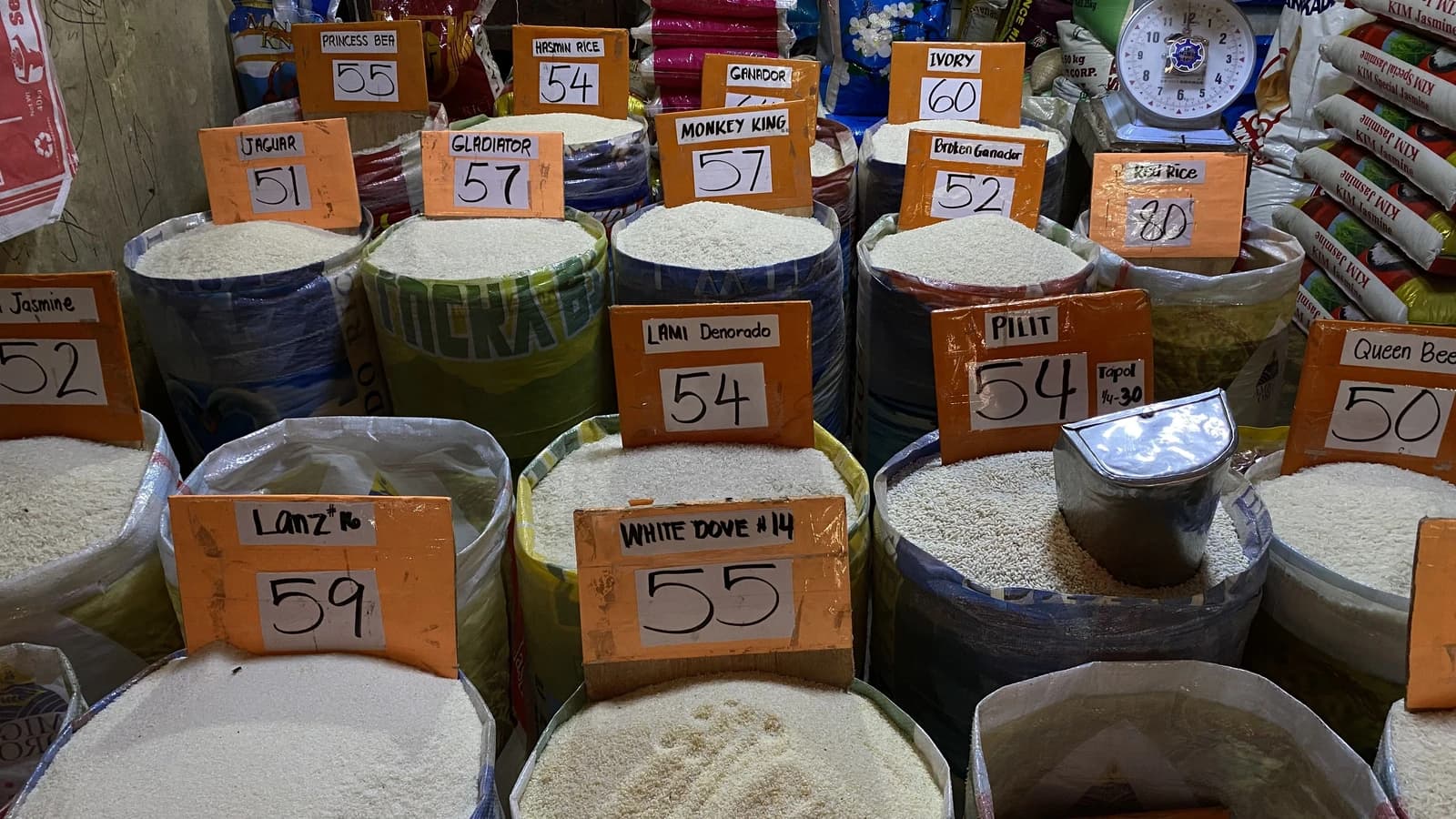
Asian rice prices have climbed to their highest level in nearly two years, reviving concerns that a tighter harvest outlook will feed into food inflation across import-dependent economies and force governments to intervene more aggressively.
Asian rice prices hit near two-year high
The move matters because rice is not a niche crop in Asia but a staple that anchors consumer baskets, central bank inflation readings and political stability. With the region entering harvest season, prices are still rising rather than easing, a sign that supply stress is outrunning seasonal replenishment. Bloomberg reported benchmark Asian rice prices at a near two-year peak as El Niño-related dryness disrupted production, while the USDA has warned global rice output may fall for the first time in more than a decade.
Sentiment Indicators
Thailand’s 5% broken white rice, a key reference for the export market, rose to $499 a ton on Wednesday, the highest since December 2024, according to the Thai Rice Exporters Association. That is reinforcing an already firm tone in Vietnam, where export rice remains elevated even though official domestic quotations were more mixed on the day. Vietnam’s 5% broken white rice was quoted at $425-$429 a ton, while fragrant Jasmine fetched $535-$539 and fragrant 5% broken rice $500-$515, according to the Vietnam Food Association.
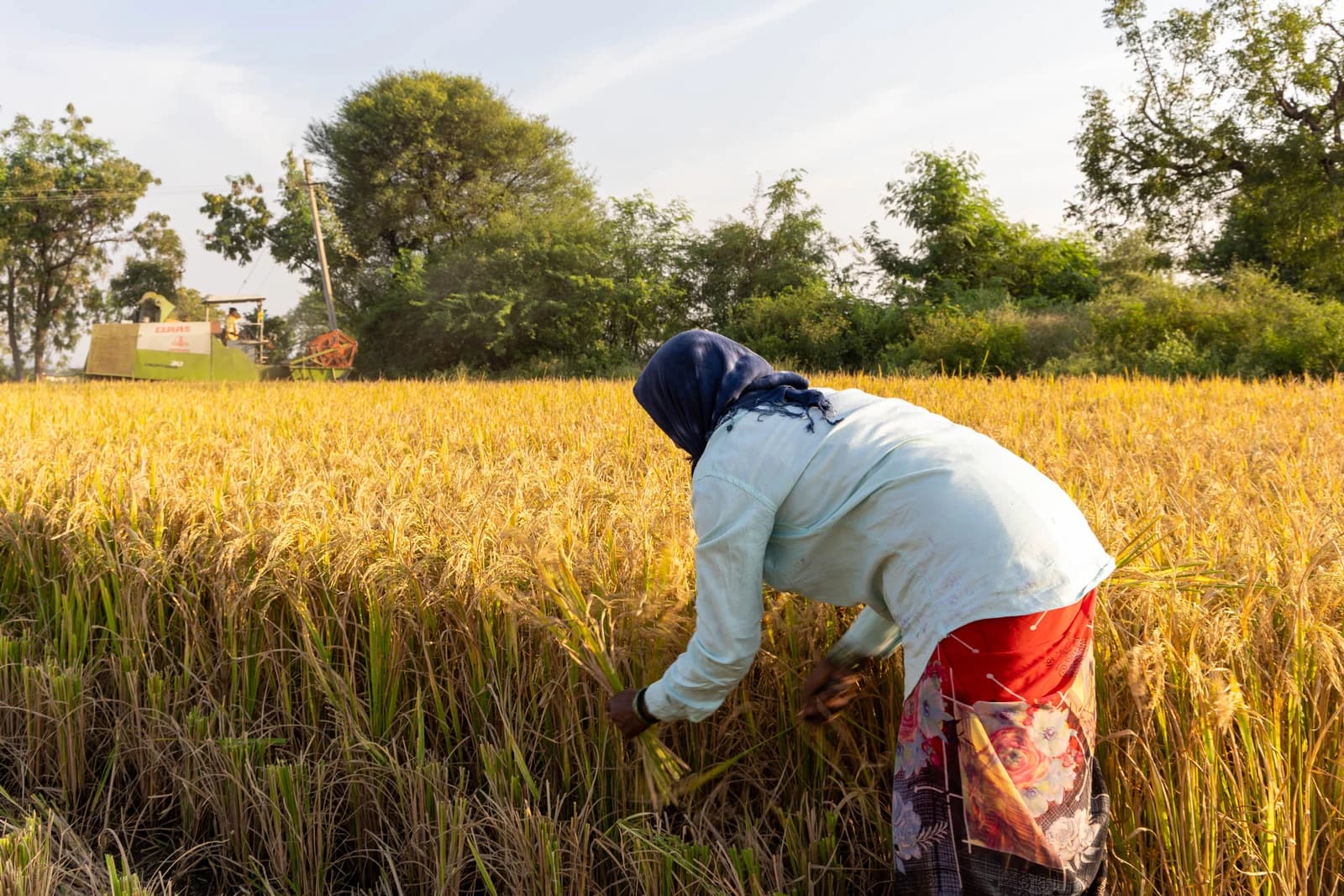
The supply backdrop is deteriorating just as major producers are coming through the harvest. Dry conditions have hit parts of South and Southeast Asia, including India, the world’s largest rice exporter, and the US Department of Agriculture says the global market could see its first production decline in more than 10 years. FAO also expects a drop in output in the 2026-27 season. For buyers, that combination raises the risk of higher import bills, narrower margins for food processors and more expensive retail rice later this year.
The inflation channel is already visible. In the Philippines, the biggest rice importer, government data showed rice prices jumped 21% in October from a year earlier, helping push consumer inflation to 7.8%, above economists’ forecasts. That is why rice matters not just as an agricultural story but as a policy problem: higher staple costs can force governments to subsidize, cap prices, release stocks or loosen import barriers.
Vietnam’s domestic market is reflecting the strain unevenly. Raw IR 504 rice rose 50 dong per kilogram to 9,350-9,500 dong, while CL 555 was unchanged. Broken fragrant rice rose 200 dong, even as bran eased. Paddy prices in the Mekong Delta were broadly stable, suggesting the export market is doing more of the price-setting than farm-gate trade for now.
For investors, the implications are split. Grain traders and export-oriented suppliers can benefit from firmer pricing, while consumer-facing food companies, importers and governments in rice-deficit countries face margin pressure and a potential policy response. If El Niño persists and harvest results disappoint, the market may have to price in a longer period of elevated rice costs rather than a short-lived spike.
| Entity | Gains | Losses |
|---|---|---|
| Rice exporters | ▲Higher selling prices | ▼Demand sensitivity |
| Rice importers | ▲None | ▼Higher import bills |
| Food consumers | ▲None | ▼More expensive staples |
| Grain traders | ▲Wider trading margins | ▼Policy intervention risk |