Vietnam’s agricultural export market is splitting into winners and losers, with jasmine rice holding near 522 dollars a ton while coffee futures fell sharply, a move that matters because it is reshaping farmgate income, exporter margins and year-end trade earnings.
Vietnam rice prices hold while coffee futures fall
The clearest signal on October 25 was in rice. Vietnam’s jasmine export quote climbed to 518-522 dollars a ton, up from earlier in the week, while 5% broken fragrant rice rose to 470-475 dollars and 100% broken edged higher to 380-384 dollars. That keeps Vietnamese fragrant rice at a premium to many Asian suppliers and supports value even as volumes cool from last year’s pace. For an economy that relies on agricultural exports for rural incomes and foreign exchange, price resilience in rice helps offset weakness elsewhere in the basket.
Sentiment Indicators
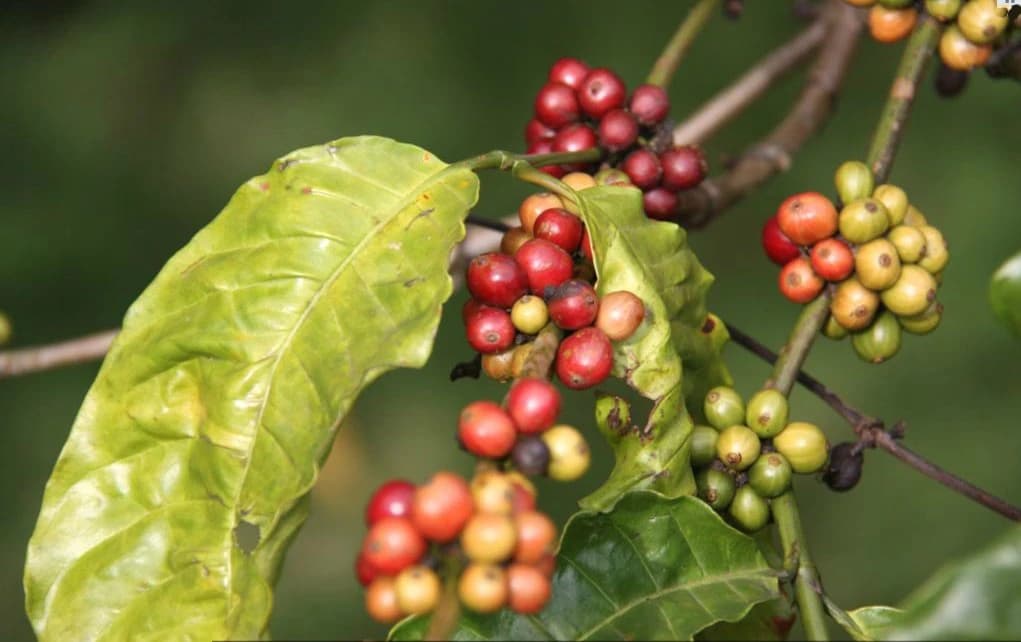
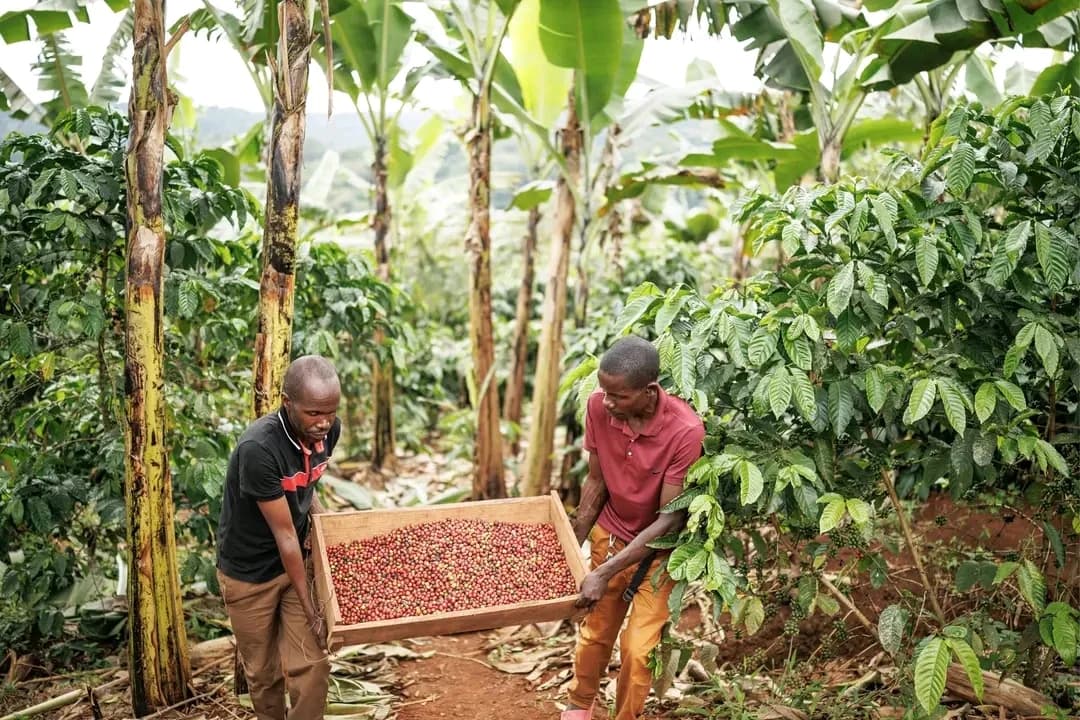
Coffee moved the other way. Robusta futures in London dropped 1.82% to 3,228 dollars a ton for November delivery, while Arabica in New York fell 1.6% to 307.45 cents a pound. Domestic raw coffee prices in Vietnam’s Central Highlands slipped to about 89,000-89,500 dong a kilogram, down roughly 1,200-1,500 dong from the prior session. That combination points to immediate pressure on exporters who had benefited from elevated coffee prices earlier in the year. The problem is not volume — Vietnam still exported about 1.4 million tons of coffee in the first nine months of 2026, up 15.4% — but pricing. Export value fell 7.3% to 6.54 billion dollars as the average export price dropped nearly 20% to 4,537 dollars a ton.
The divergence matters for the wider agricultural trade balance. Rice, coffee, pepper, rubber, cashews and fruit are all contending with different price cycles, and the latest readings show that stronger shipments do not automatically translate into stronger revenue. Vietnam exported 6.4 million tons of rice in the first nine months of 2026, but value fell 10.9% as the average export price slipped to 484.8 dollars a ton. Pepper has held steadier, with export value up 10.2% to more than 1.39 billion dollars on higher volumes, while fruit and cashew continue to provide some support to overall farm export earnings.
For investors, the takeaway is that Vietnam’s agribusiness complex is becoming more selective. Exporters with exposure to premium rice and pepper may keep pricing power, while coffee merchants, roasters and input-dependent processors face margin compression if global futures remain weak. The pressure is likely to be most acute for companies and traders that bought inventory at higher levels earlier in the season and now have to clear stock into a softer market.
The broader backdrop is still constructive for Vietnam’s farm export story, with fruit exports rising 18.8% year on year to 7.27 billion dollars in the first nine months and the country pushing data transparency and quality controls to protect market access. But the October 25 price action shows that the sector’s earnings path will depend less on headline export growth and more on which crops can hold value as global commodity cycles turn.
| Entity | Gains | Losses |
|---|---|---|
| Vietnam rice exporters | ▲Higher fragrant rice pricing | ▼Buyers seeking lower import costs |
| Coffee exporters | ▲Stronger volumes earlier in year | ▼Margins as futures fall |
| Pepper and fruit exporters | ▲Better revenue mix | ▼Commodities facing price pressure |
| Importers and roasters | ▲Cheaper coffee inputs | ▼Farmers and traders holding expensive stock |