Coffee prices are sliding for a fourth straight week as Vietnam’s new harvest, rising ICE inventories and a weaker Brazilian real weigh on robusta and arabica markets.
Coffee Prices Fall as Vietnam Harvest Expands
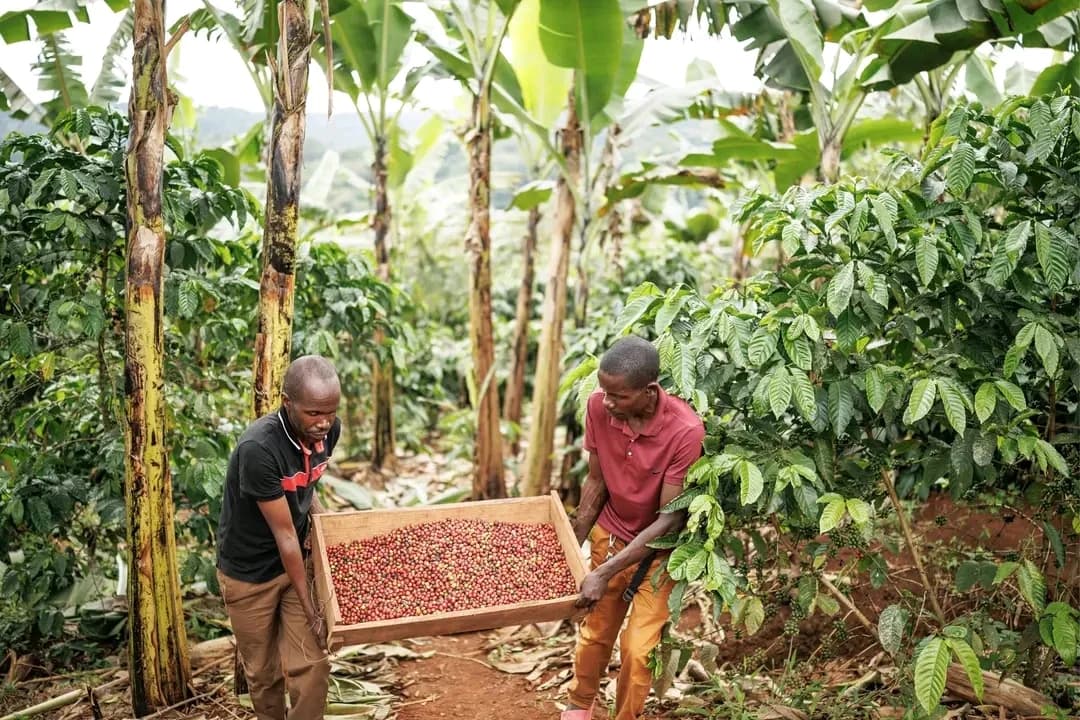
The pullback matters because the start of the Central Highlands harvest is beginning to loosen a market that had been tight for much of the year, while global futures are now signaling that supply is catching up with demand. For growers and exporters, lower prices reduce farmgate income and can slow sales; for roasters and consumer-facing brands, they ease input-cost pressure if the decline holds.
Sentiment Indicators
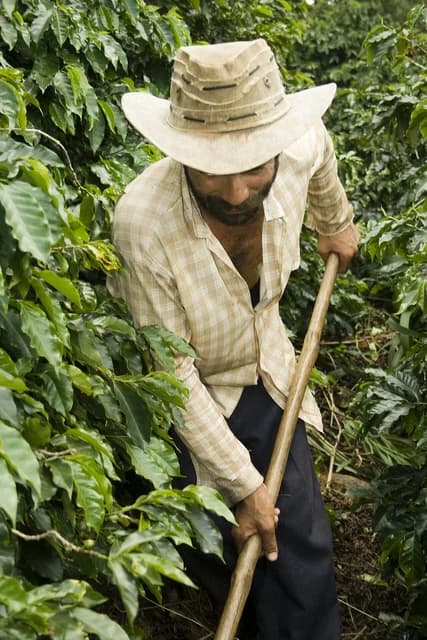
In Vietnam, domestic coffee prices in the key growing provinces fell to the lowest level in nearly five months, with Dak Lak and Dak Nong at 87,000 dong per kilogram, Gia Lai at 86,800 dong and Lam Dong at 86,500 dong. The latest weekly drop leaves local prices under pressure just as harvesting accelerates, though fresh supply remains limited for now.
Market participants say farmers are holding back some sales, wary of locking in weaker prices while they finish picking and drying the crop. Weather-related quality concerns earlier in the year may also leave some beans smaller or darker, creating a split market between better and lower grades.
On the global exchanges, robusta futures on London eased, with the January 2027 contract ending the week at $3,204 a metric ton, down 1.2%, while the front-month November 2026 contract slipped 0.3% to $3,219. Arabica fell much harder in New York, where the December 2026 contract dropped 6.6% to 287.2 cents a pound and March 2027 lost 5.7% to 276.8 cents.
Brazil’s weakening real added to the selling pressure by encouraging exporters there to move more coffee into the market, while ICE-certified inventories continued to rebuild. The exchange said 47,476 bags of Brazilian coffee were waiting to be graded, the most in six weeks, and Brazil stocks in ICE warehouses climbed to 83,052 bags, a nine-month high.
ICE-certified arabica inventories rose to 225,068 bags, still only modestly above a 27-year low. Robusta inventories on ICE also increased through the week, reinforcing the sense that the market is moving into a softer supply phase as the northern hemisphere heads deeper into the harvest window.
For investors, the key question is whether the current harvest flow turns a seasonal dip into a longer correction. That will depend on how quickly Vietnam’s crop reaches the market, whether Brazil’s currency remains weak, and whether exchange stocks keep climbing into November.
| Entity | Gains | Losses |
|---|---|---|
| Coffee roasters | ▲Lower bean costs | ▼Near-term supply volatility |
| Vietnamese farmers | ▲Better if they hold stocks | ▼Lower farmgate prices |
| Exporters in Brazil | ▲More sales incentives | ▼Softer dollar prices |
| Coffee futures bears | ▲Downtrend momentum | ▼Short-covering risk |