Vietnam’s coffee and pepper markets moved in opposite directions on Oct. 15, but the bigger takeaway for producers and traders is that neither crop is showing a clean directional break, leaving prices elevated and volatile as supply and demand signals diverge.
Vietnam coffee and pepper prices move in opposite directions
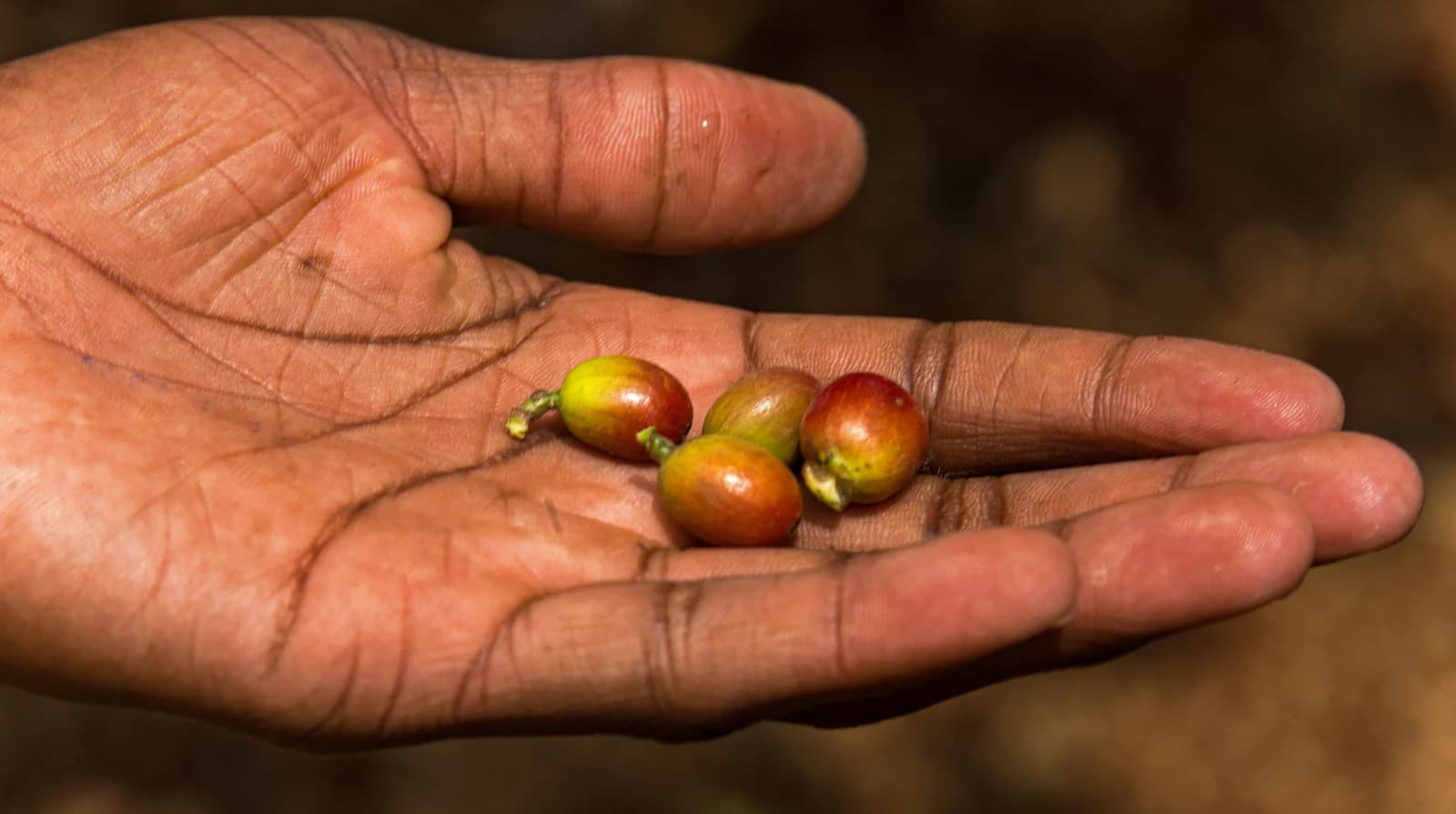
Domestic coffee prices slipped 200 dong a kilogram to 92,300-93,000 dong/kg, a modest pullback that left the market near recent highs. The decline did not alter the broader price floor: Dak Lak, Gia Lai and Dak Nong/Lam Dong were all still quoted at 93,000 dong/kg, while Lam Dong remained the low end at 92,300 dong/kg.
Sentiment IndicatorsⓘProprietary · adalytica.com · October 16, 2026
This is a snapshot — live sentiment, awareness and momentum for 130+ markets update continuously in the dashboard.Open AlphaPulse
That stability matters economically because coffee remains one of Vietnam’s key export earners, and small daily moves at these levels can still affect grower selling behavior, exporter margins and inventory planning. The mixed tone in global futures reinforces that message. London robusta for November delivery was down about $10 a tonne at roughly $3,449, while New York arabica for December gained about 1.35 US cents to 294.05 cents a pound, showing the benchmark markets are still pulling in different directions.
For investors and agribusiness traders, the split between robusta and arabica means the price outlook depends less on a single global coffee narrative than on crop-specific supply conditions. Robusta remains the key reference for Vietnam’s export complex, and the recent drift lower in London futures suggests some near-term cooling after a strong run. But with domestic prices still anchored above 92,000 dong/kg, producers are not under immediate pressure to sell aggressively.
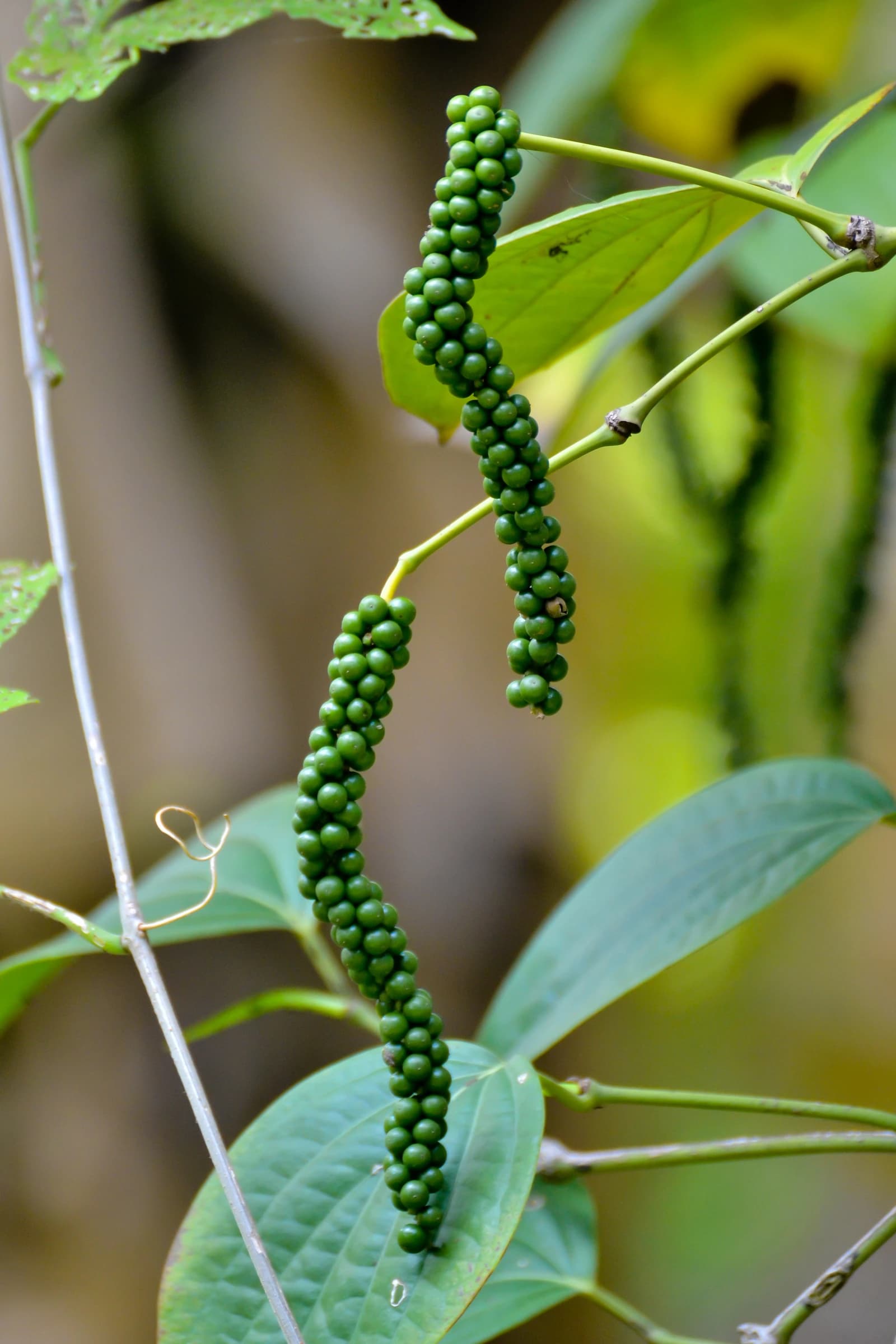
Pepper told the opposite story. All five surveyed regions rose 500 dong/kg, lifting the market to 138,000-140,500 dong/kg and pushing Dak Nong/Lam Dong back above the 140,000 dong/kg threshold at 140,500 dong/kg. Dak Lak climbed to 139,500 dong/kg, while Ba Ria-Vung Tau reached 138,500 dong/kg.
That matters because pepper has been working through a stop-start recovery, and a return above 140,000 dong/kg at the top end suggests supply remains tight enough to support prices even without a synchronized rise in export markets. The spread between the highest and lowest regions narrowed to 2,500 dong/kg, a sign of firmer market tone across producing areas.
The wider narrative is one of commodity bifurcation rather than a broad agricultural rally. Coffee is still being tugged by mixed overseas signals — robusta easing, arabica firming — while pepper is benefiting from steadier local buying. For farmers, the question is whether to hold back stock or sell into a market that remains well above average levels. For investors and exporters, the key risk is that neither market yet has a confirmed trend, so price support can still give way quickly if export demand weakens or more supply reaches the market.
| Entity | Gains | Losses |
|---|---|---|
| Pepper farmers | ▲Higher farmgate prices | ▼Buyers facing higher costs |
| Coffee growers | ▲Stable elevated floor | ▼Slight daily price retreat |
| Exporters | ▲More inventory optionality | ▼Margin pressure if prices rise |
| Importers | ▲Lower coffee input costs | ▼Higher pepper procurement costs |