Vietnam’s coffee exporters are shipping more beans than ever, but they are earning less for each tonne — a reminder that volume growth alone does not guarantee bigger profits.
Vietnam coffee exports rise as prices fall
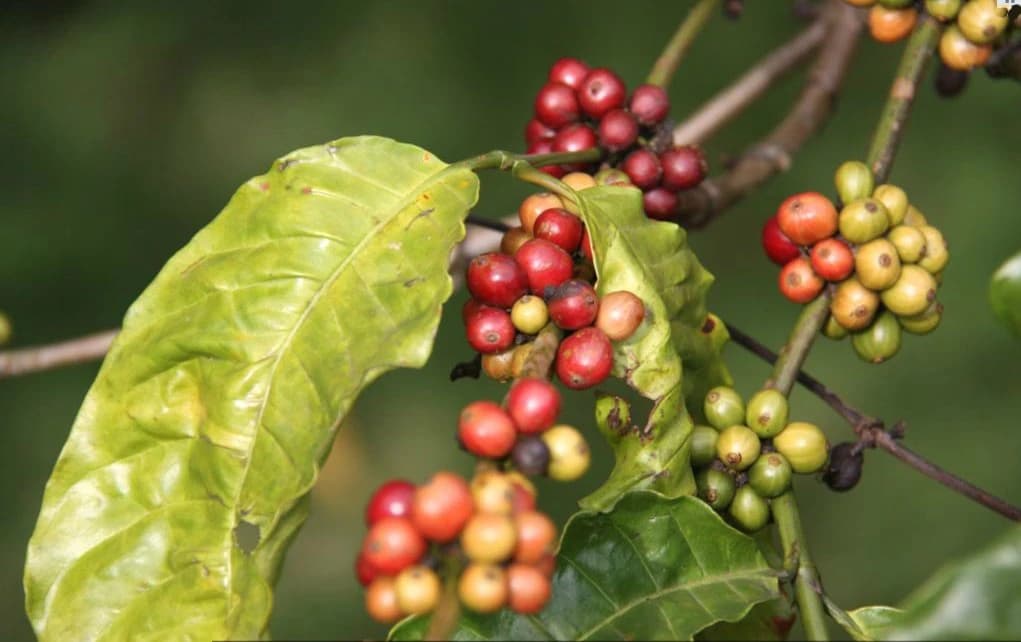
The country exported nearly 1.5 million tonnes of coffee in the first nine months of 2026, up 16.2% from a year earlier, yet export revenue slipped about 7% to roughly $6.6 billion as average selling prices fell 16.66%, according to the Vietnam Coffee and Cocoa Association, Vicofa.
Sentiment IndicatorsⓘProprietary · adalytica.com · October 22, 2026
This is a snapshot — live sentiment, awareness and momentum for 130+ markets update continuously in the dashboard.Open AlphaPulse
That matters because coffee is one of Vietnam’s most important agricultural exports, and the split between rising output and weaker pricing shows how quickly the economics can change. A strong harvest and brisk shipments are good for growers and traders, but if global prices are falling at the same time, the benefit to national export earnings can evaporate. For investors with exposure to coffee merchants, food ingredients groups or beverage makers, the message is clear: the sector’s top line can look healthy while margins remain under pressure.
September reinforced the trend. Vietnam shipped an estimated 124,000 tonnes in the month, up 53% from a year earlier, showing that delivery activity stayed firm late in the 2025-26 crop cycle. But the extra volume still could not offset the slide in prices.
Vicofa said the drop in coffee values reflects a broader improvement in global supply. The U.S. Department of Agriculture expects world coffee output to rise to about 178.8 million 60-kilogram bags in 2025-26, then climb further to around 189.7 million bags in 2026-27. Brazil, the world’s biggest producer, is seen contributing nearly 72 million bags, while Vietnam’s own production is forecast to edge higher to 32.5 million bags from about 31.7 million.
That supply recovery is why the current market looks different from the high-price period of the past three years. When prices were elevated, farmers and producers around the world were encouraged to reinvest in their plantations, lift yields and expand acreage. Those efforts are now feeding more beans into the market, which is exactly the kind of supply response that can cap prices even when demand remains steady.
For Vietnam, the next test starts in November, when the 2026-27 crop year begins and fresh harvests reach the market. Vicofa expects export volumes for 2026 to rise 8% to 10% from 2025, but it warned that revenue growth will depend heavily on prices. If green coffee prices keep easing, a bigger crop may simply mean more beans sold for less money.
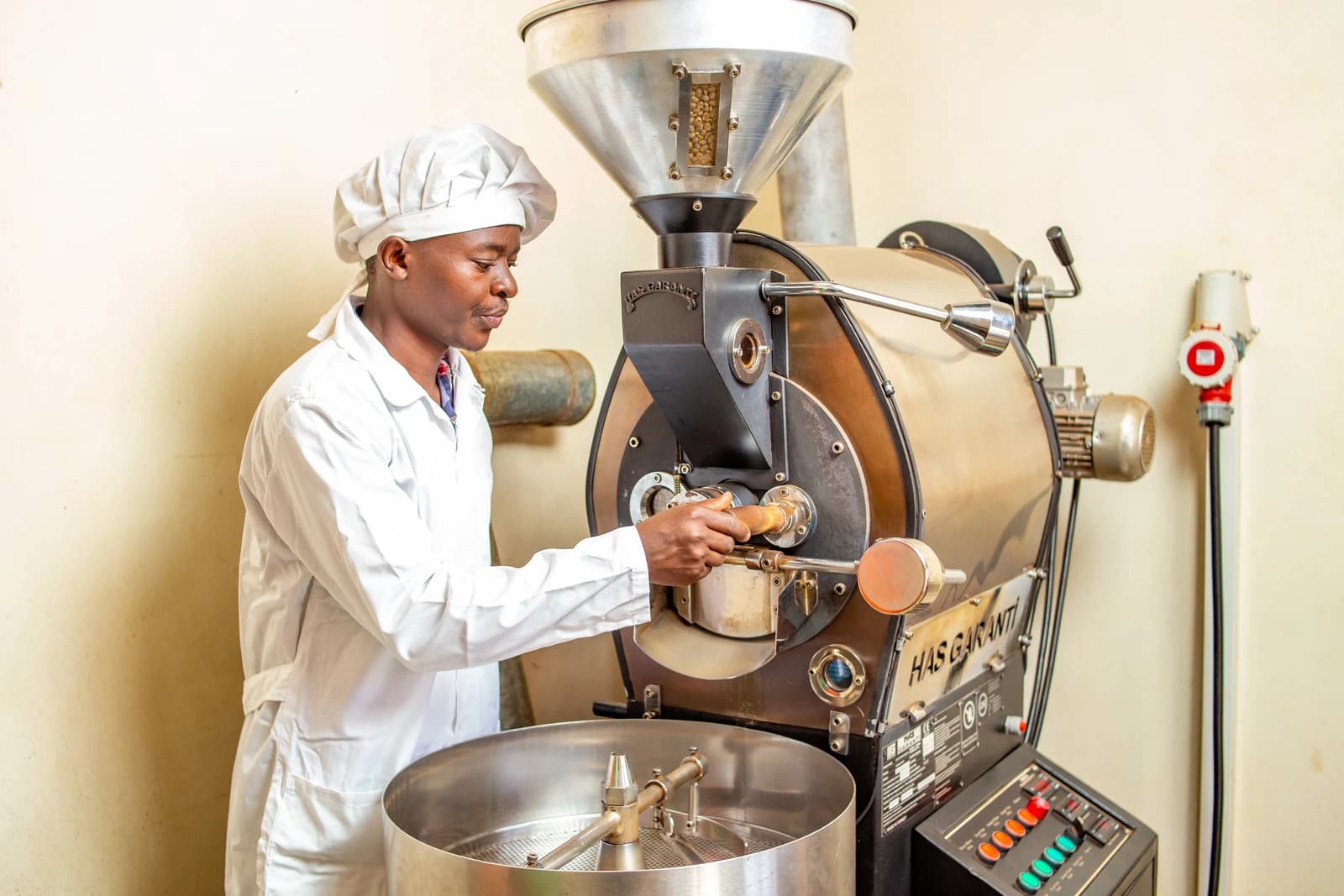
That is why the industry is talking more openly about moving beyond a pure volume strategy. Vicofa says exporters need a larger share of processed coffee, more value-added products and broader market reach, rather than relying mainly on raw beans. The push matters because higher-value processing can help cushion price swings and create more stable earnings over time.
There is also a growing quality divide. New traceability and sustainability requirements are likely to reward suppliers that can document their sourcing and production standards. Coffee that meets the European Union’s anti-deforestation rules, known as EUDR, could command a better price and easier access to buyers than coffee that does not.
For long-term investors, the story is not just about one season’s export tally. It is about whether Vietnam’s coffee industry can convert a strong production base into durable pricing power. Over the next few years, the winners are likely to be producers and exporters that can move up the value chain, while those selling undifferentiated beans may find themselves trapped in a market where more supply means less pricing leverage. The sector is still worth watching, but the real opportunity lies in quality, traceability and processing — not just in bigger harvests.
| Entity | Gains | Losses |
|---|---|---|
| Vietnamese coffee exporters | ▲Higher shipment volumes | ▼Lower export prices |
| Coffee growers with better yields | ▲More beans to sell | ▼Weaker per-unit revenue |
| Processed coffee producers | ▲Better pricing power | ▼Less dependence on raw bean prices |
| Buyers/importers | ▲Lower sourcing costs | ▼Suppliers with weaker margins |