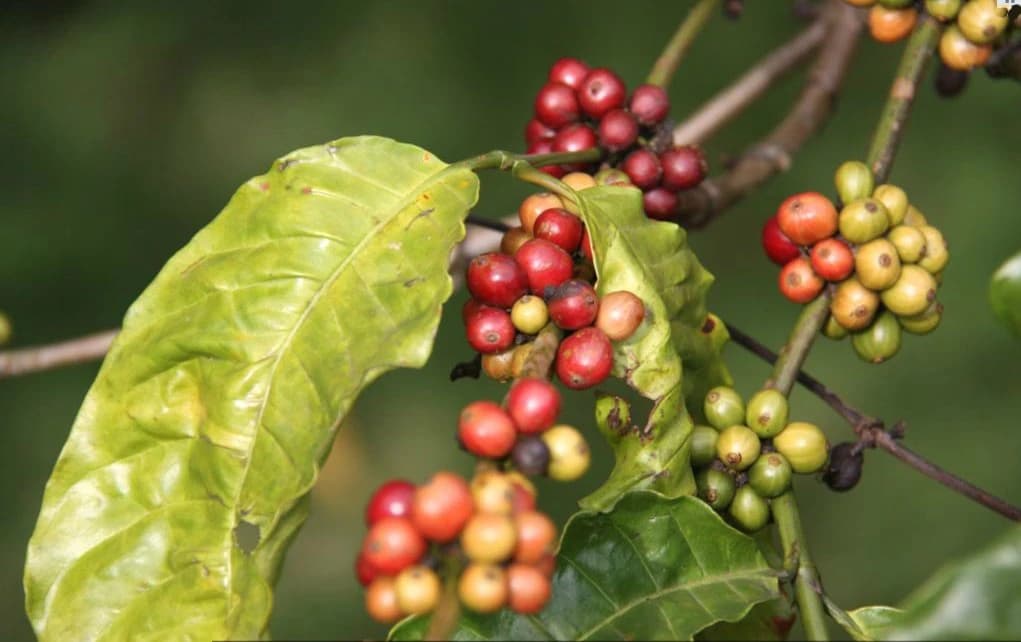
Coffee prices climbed on Oct. 18, with both robusta and arabica rising in tandem as traders focused on thin certified inventories, Brazil shipment timing and weather risks in key growing regions, keeping the market under pressure despite a brief pullback in Vietnamese domestic prices.
Coffee prices rise on tight ICE inventories
The move matters because coffee is still being priced primarily off supply, not demand, and the latest rally points to a market that remains vulnerable to short-term squeezes. Arabica led the gains, reflecting concern that ICE-certified inventories are still near a 27-year low, while robusta also firmed even as its monitored stocks are comparatively larger.
Sentiment IndicatorsⓘProprietary · adalytica.com · October 21, 2026
This is a snapshot — live sentiment, awareness and momentum for 130+ markets update continuously in the dashboard.Open AlphaPulse
In London, robusta for November 2026 delivery rose $41, or 1.16%, to $3,414 a metric ton, while the January 2027 contract gained the same amount to $3,405. In New York, arabica for December 2026 jumped 10.8 cents, or 3.66%, to 305.6 cents a pound, and the March 2027 contract advanced 3.21% to 294.5 cents.
Arabica’s stronger move reflects tighter nearby availability. Certified ICE arabica stocks stood at 238,976 bags, only about 21,330 bags above last month’s 27-year low, raising the risk that deliveries into expiring contracts could stay constrained if Brazilian coffee does not arrive in time. That keeps the market sensitive to any shipping delays or weather setbacks in Brazil, the world’s biggest producer.

Robusta also found support, even though ICE-monitored robusta inventories rose to 5,752 lots as of Oct. 16, the highest in about 10.75 months. The split shows how different supply conditions are unfolding across the two coffee grades, even as both remain exposed to the same broader weather and export risks.
The futures move fed through to Vietnam, where local coffee prices in the Central Highlands rebounded by 1,000 dong a kilogram after a 1,500 dong drop on Oct. 17. Prices ranged from 92,100 dong to 93,000 dong a kilogram, with Dak Nong topping the survey at 93,000 dong.
For investors, the main takeaway is that coffee remains one of the more volatile softs, with prices driven by inventory levels, crop timing and export flows rather than a clean demand trend. That leaves roasters, traders and growers exposed to sharp swings, while listed coffee names such as Starbucks and commodity-linked suppliers stay sensitive to input-cost pressure if the rally extends.
Weather remains the next key catalyst. Traders are watching Brazil’s rainfall pattern heading into the flowering stage and Vietnam’s late-2026 dry-season risk, while any faster-than-expected replenishment of certified stocks could quickly cool the latest advance.
| Entity | Gains | Losses |
|---|---|---|
| Coffee growers | ▲Higher local selling prices | ▼Volatility in farmgate markets |
| Roasters and buyers | ▲Inventory coverage if supplies improve | ▼Higher input costs |
| Arabica longs | ▲Tight ICE stocks support prices | ▼Delivery risk if Brazil supply arrives |
| Coffee consumers | ▲None immediately | ▼Potentially higher retail prices |