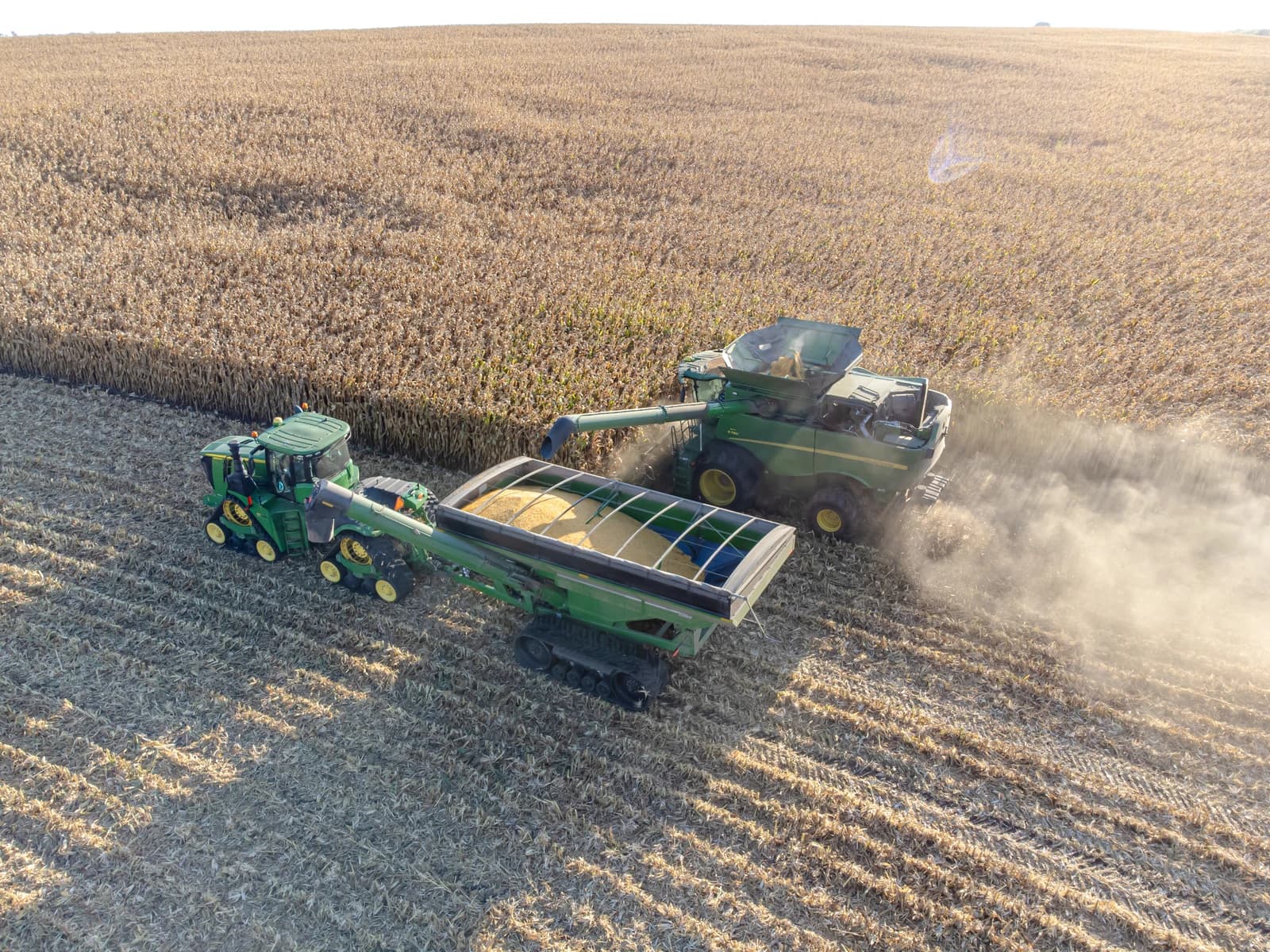
Raw sugar futures edged higher while arabica coffee fell to a one-week low, underscoring how weather, supply expectations and a firmer dollar are reshaping pricing in the softs market.
Sugar rises as coffee falls on dollar and supply
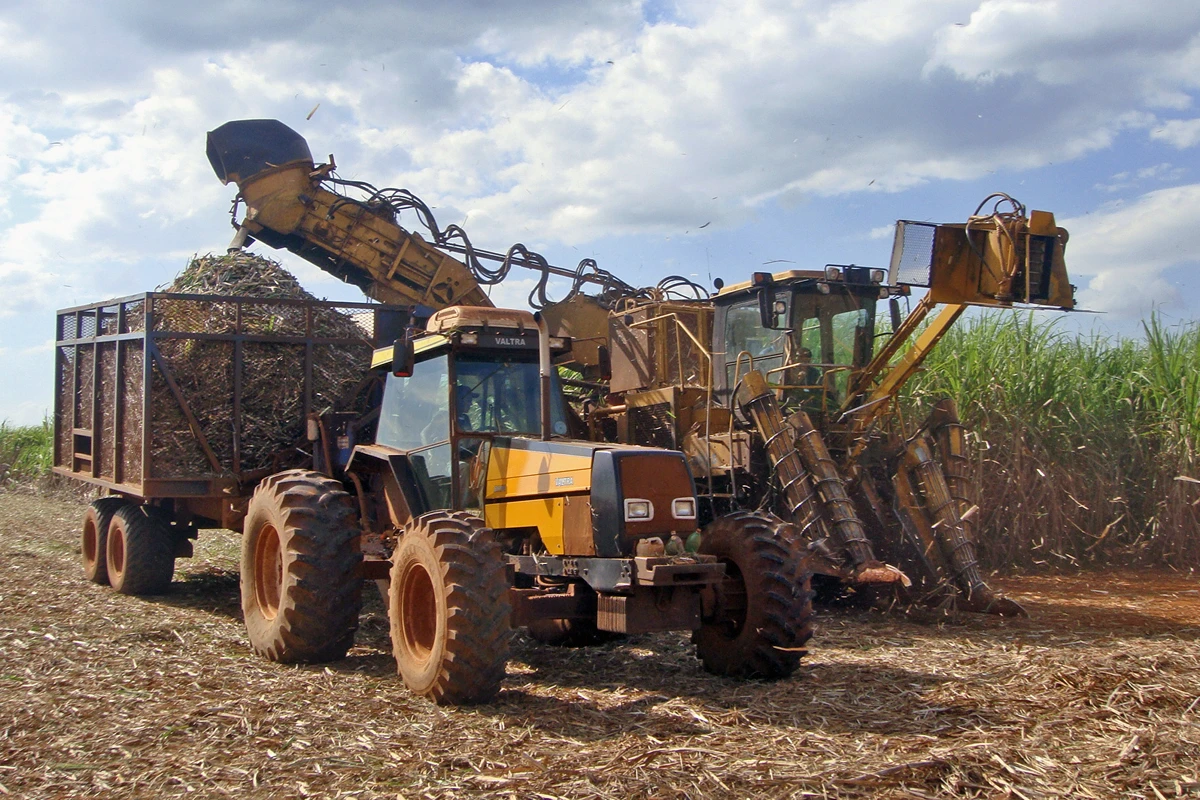
The move matters because both commodities sit at the center of global food and beverage input costs, and even modest swings can feed through to margins for confectioners, roasters and consumer staples companies. Raw sugar for October delivery, the actively watched benchmark in the context data, has pulled back from a recent peak above 9 cents a pound but remained volatile around the 8.5-cent area, while arabica coffee futures slid from levels near 80 cents a pound to about 80.15 cents, after a run that briefly pushed prices well above their 50-day average.
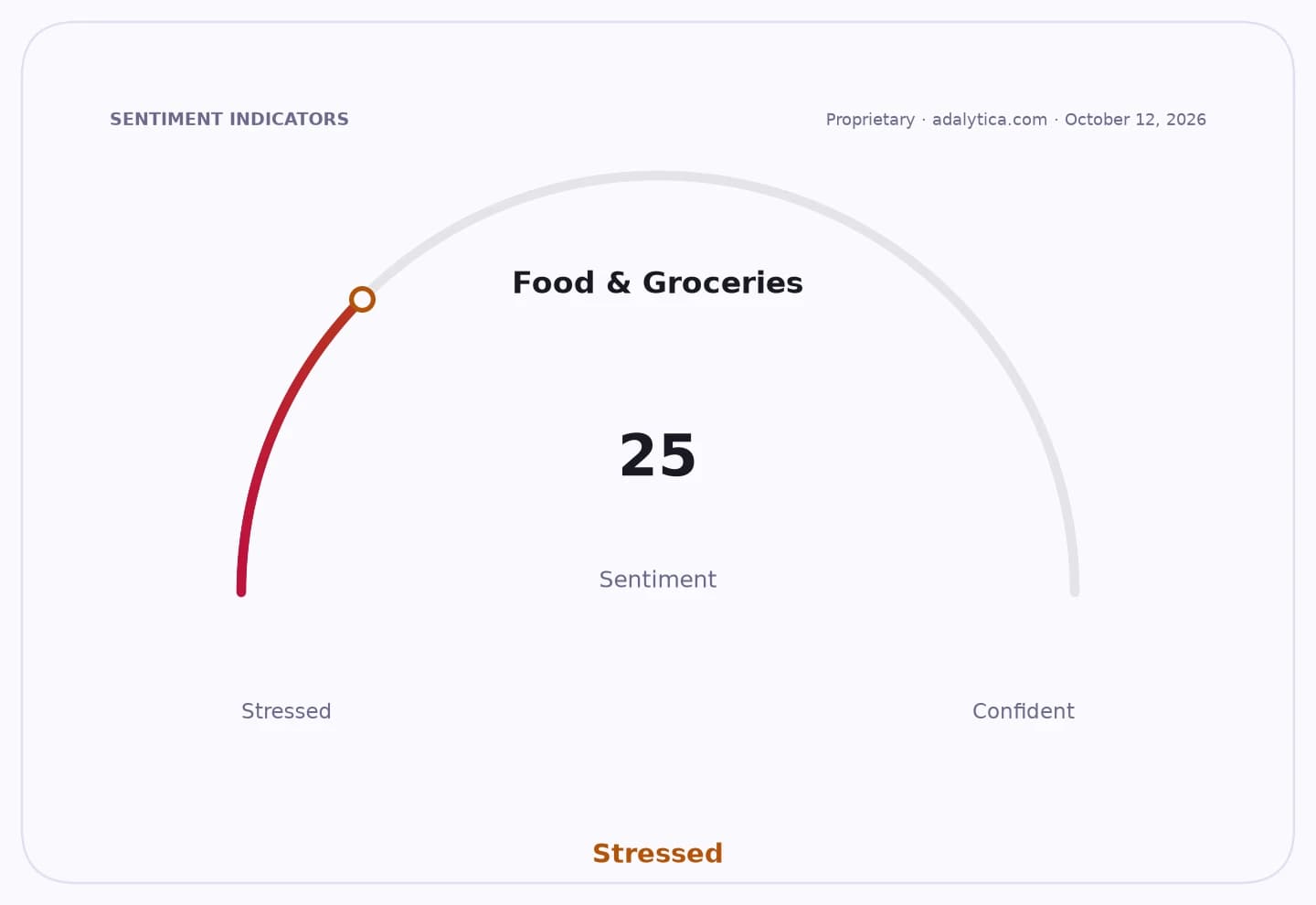
Sentiment IndicatorsⓘProprietary · adalytica.com · October 12, 2026
This is a snapshot — live sentiment, awareness and momentum for 130+ markets update continuously in the dashboard.Open AlphaPulse
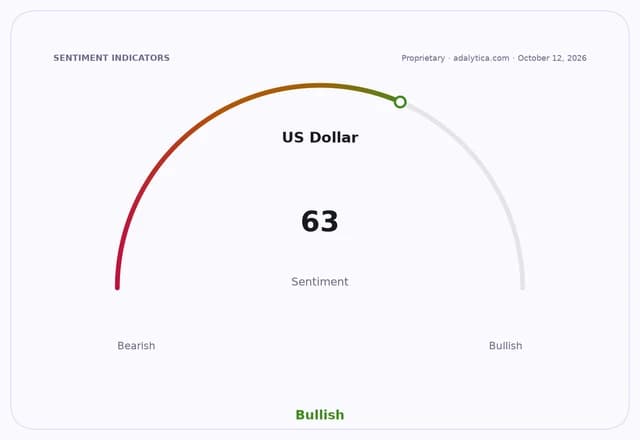
For investors, the split move highlights a market that is increasingly trading individual crop fundamentals rather than moving as a single “softs” complex. Sugar is still being supported by worries over supply tightness and the broader inflation backdrop, while coffee is easing as traders reassess near-term availability after a sharp rally earlier in the year. A stronger U.S. dollar, reflected in Adalytica’s trade-signal snapshot, can also weigh on dollar-priced commodities by making them more expensive for overseas buyers.
The technical picture points to a market losing momentum but not yet breaking down. Raw sugar’s latest settlement at 8.53 cents was still above its 200-day moving average, though just below its 50-day trend, and its RSI has cooled from overbought readings above 70 earlier this quarter to the low 40s. Coffee has seen a steeper correction: after touching 304.45 cents this week, it has slipped toward the high 280s, with the 50-day average still above spot, a sign that the latest recovery is under pressure. In both contracts, the pullback from overextended RSI readings suggests traders are taking profits rather than exiting the market entirely.
The macro backdrop is not helping the complex. Brent and WTI have been volatile on Middle East supply risks and tanker security fears, and higher energy prices can matter for softs through freight, fertilizer and broader inflation expectations. But the immediate price action in sugar and coffee appears driven more by crop-specific positioning than by the oil shock alone. That distinction matters for commodity funds and hedgers trying to separate temporary volatility from a more durable supply squeeze.
For food manufacturers, the message is mixed. Sugar buyers may still face elevated procurement costs if the market re-tests recent highs, while coffee roasters get some relief if arabica continues to give back gains. For producers, especially in Brazil and other major exporting regions, the ability to lock in prices at current levels could be crucial if weather patterns or logistics disruptions tighten the market again later in the season.
The next catalyst is whether the dollar’s recent firmness and softer coffee momentum persist long enough to pull softs lower as a group, or whether supply concerns in sugar reassert themselves and drag the market back toward the summer highs. For now, the divergence suggests traders are becoming more selective, and that is usually when the next directional move starts to form.
| Entity | Gains | Losses |
|---|---|---|
| Sugar producers | ▲Higher selling prices | ▼Buyers facing firmer input costs |
| Coffee roasters | ▲Relief from lower arabica prices | ▼Producers after recent rally |
| Commodity hedgers | ▲Better price visibility | ▼Spot-exposed buyers |
| Food makers | ▲Potential margin stability if coffee stays soft | ▼Firms reliant on sugar-intensive inputs |