Gold led a broad but uneven move across commodity markets on Friday evening, rising to $4,194.55 an ounce as investors continued to lean into hard assets even as several agricultural and energy contracts weakened.
Gold Rises to $4,194 as Commodities Diverge
The move matters because it reflects a market still wrestling with sticky inflation risks, currency swings and shifting expectations for growth. When precious metals climb alongside gains in silver, platinum and palladium, while some staples such as corn and heating oil fall, it points to a commodity complex being driven less by one clean macro theme than by competing pressures on supply, demand and financial conditions.
Sentiment IndicatorsⓘProprietary · adalytica.com · October 12, 2026
This is a snapshot — live sentiment, awareness and momentum for 130+ markets update continuously in the dashboard.Open AlphaPulse
Gold’s 1.44% gain from the previous session’s $4,134.93 came alongside a 2.51% rise in silver to $60.87, a 3.27% jump in platinum to $1,691.50 and a 2.13% advance in palladium to $1,150.50. Those moves suggest investors are still willing to pay for inflation hedges and industrial metals exposure even after a volatile year in rates and currencies.
That backdrop is important for markets because higher precious-metal prices can reinforce expectations that real yields and the dollar may not be enough to cap safe-haven demand. Adalytica’s US dollar trade signal showed sentiment at 82, labeled “Greed,” and its S&P 500 signal also remained elevated, underscoring a backdrop in which risk appetite has not disappeared even as some corners of the commodity market are pricing in more caution.
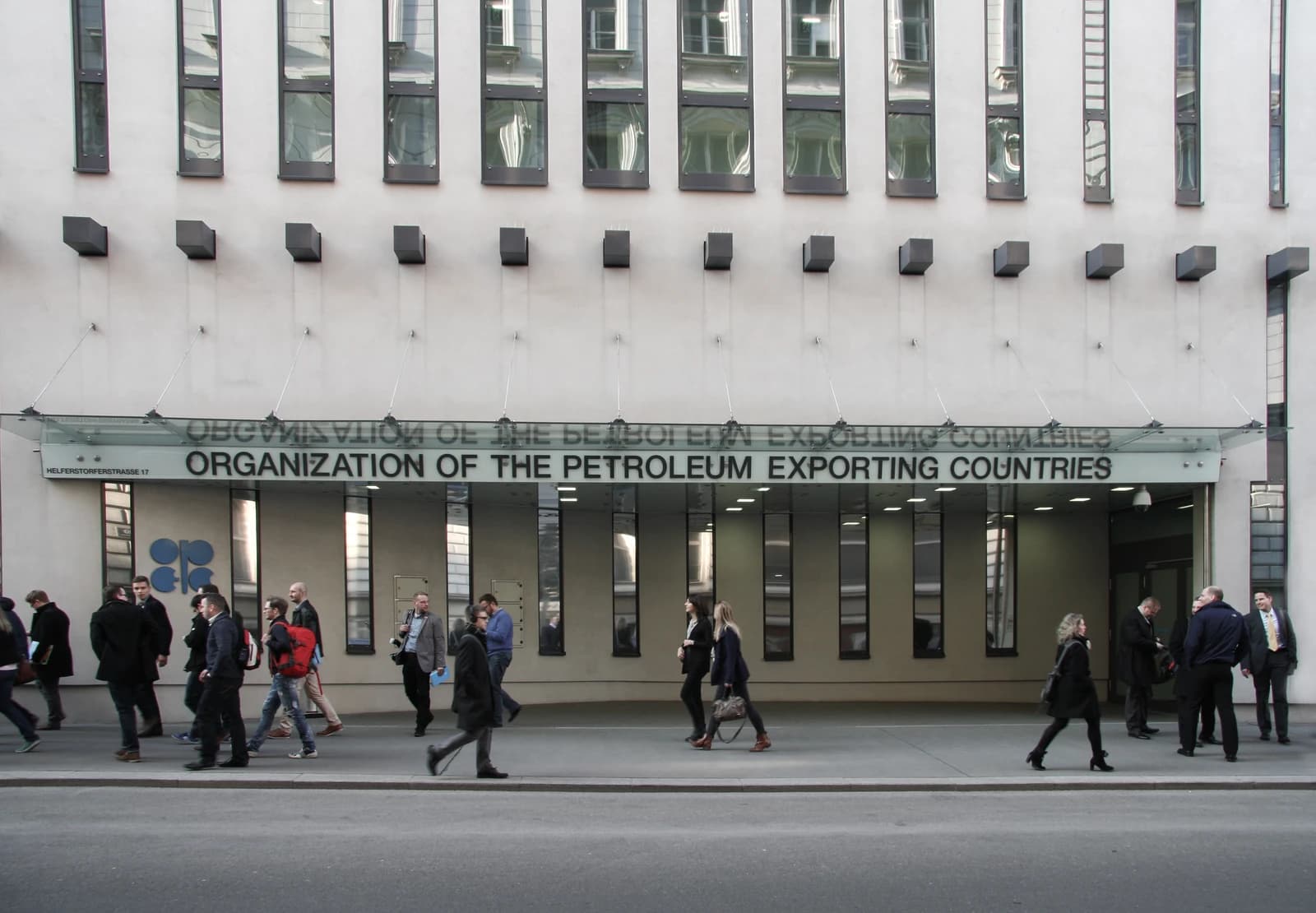
The day’s gains were not uniform. Brent crude rose just 0.46% to $104.76 a barrel and WTI added 0.09% to $91.57, while heating oil fell 2.87% to $125.22. That split is economically significant because it suggests downstream fuel prices may not be keeping pace with broader commodity strength, easing some pressure on consumers even as input costs remain elevated elsewhere.
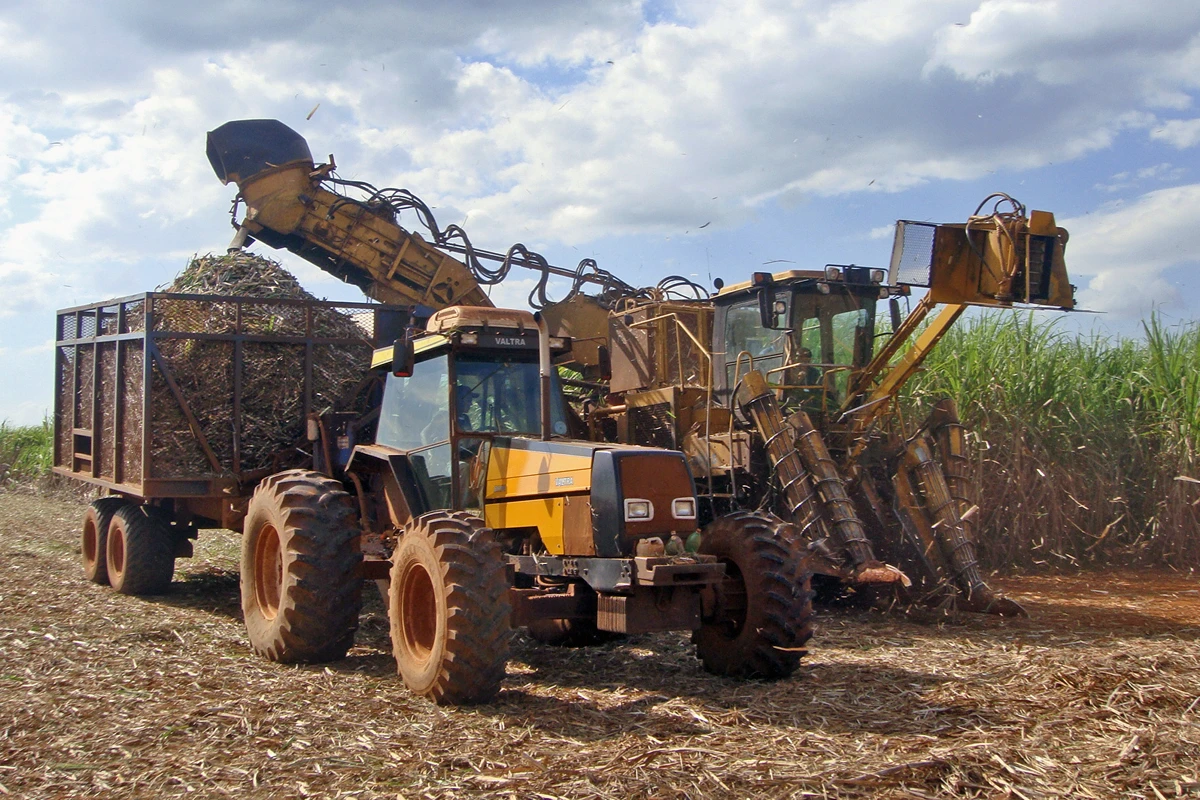
Agricultural markets were more mixed. Corn slid 3.95% to $4.81 a bushel and oats dropped 3.11% to $4.20, implying easing pressure in parts of feed and food supply chains. At the same time, soybeans inched higher to $12.92 and soybean meal climbed 2.22% to $368.70, while cotton surged 5.68% to $0.81. That divergence matters for food producers and livestock operators because cheaper corn can lower feed costs, but stronger soybean meal and cotton can still keep some manufacturing and agricultural input costs firm.
Energy remained a more complicated inflation driver outside the US. TTF natural gas rose 3.72% to 81.72 euros, a move that can feed directly into European utility and industrial costs. By contrast, the US natural gas benchmark climbed a more modest 1.48% to $3.22, showing that regional gas markets are still moving on different supply-demand dynamics.
The broader takeaway for investors is that the commodity market is not delivering a single macro message. Precious metals are signaling continued demand for stores of value, energy is mixed rather than collapsing, and food inputs are diverging sharply. That combination tends to keep inflation expectations sensitive to fresh macro data and central-bank guidance, while also creating trading opportunities across asset classes.
For now, the strongest narrative is one of persistent dispersion: hard assets are bid, but not every raw material is participating. If that split persists, markets may continue to favor producers with pricing power — such as miners and selected energy names — while downstream users and consumer-facing industries remain exposed to pockets of stubborn input inflation.
| Entity | Gains | Losses |
|---|---|---|
| Gold and silver miners | ▲Higher metal prices | ▼Margin pressure if costs rise |
| Farmers/feed buyers | ▲Cheaper corn and oats | ▼Higher soymeal and cotton inputs |
| Energy producers | ▲Firmer crude and gas prices | ▼Refineries and transport users |
| Consumers and manufacturers | ▲Lower heating oil prices | ▼Sticky food and industrial costs |