Brazil is on the verge of overtaking the U.S. as the world’s biggest agricultural exporter, a shift that could redraw trade flows, lift earnings for exporters and commodity handlers, and deepen the market’s dependence on China buying South American crops.
Brazil Nears U.S. in Agricultural Exports
The economic significance is straightforward: Brazil has moved from a food importer to within a few billion dollars of the top spot in global farm exports, with the gap to the U.S. narrowing to just over $2 billion in 2025, according to Brazilian and U.S. government data. Brazil’s agribusiness exports reached a record $169.2 billion last year, while U.S. agricultural shipments fell 2.8% to $171.3 billion.
Sentiment IndicatorsⓘProprietary · adalytica.com · October 20, 2026
This is a snapshot — live sentiment, awareness and momentum for 130+ markets update continuously in the dashboard.Open AlphaPulse
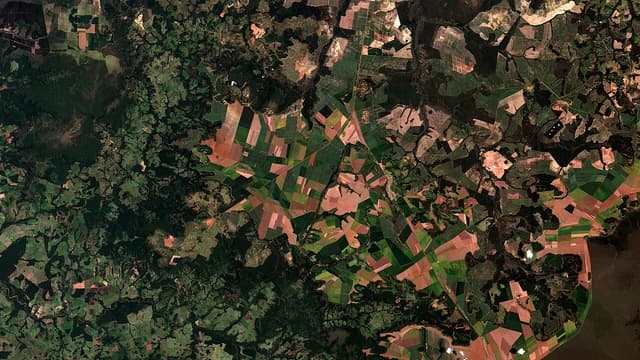
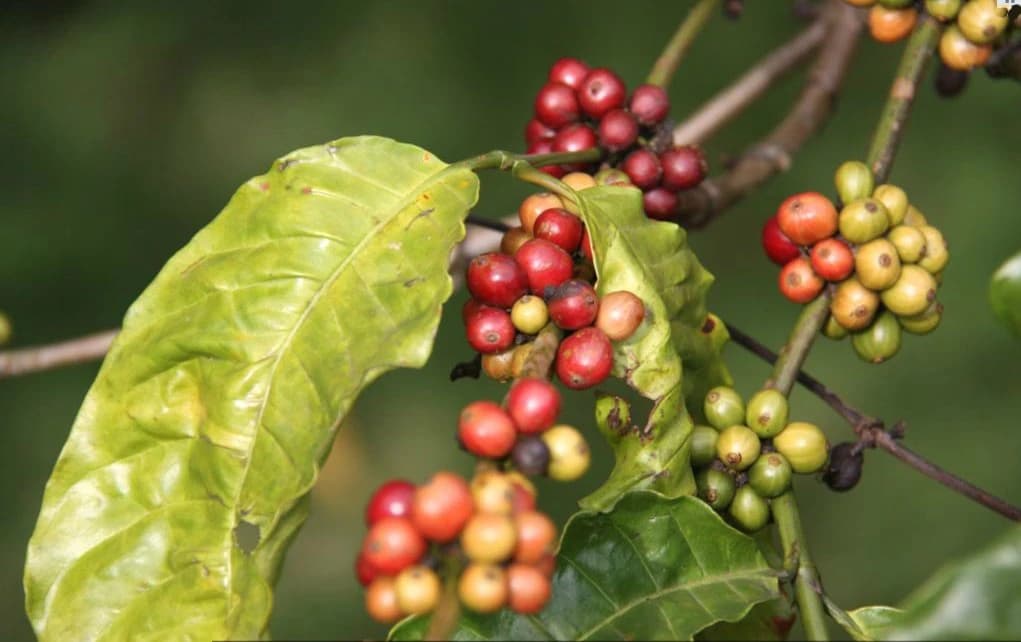
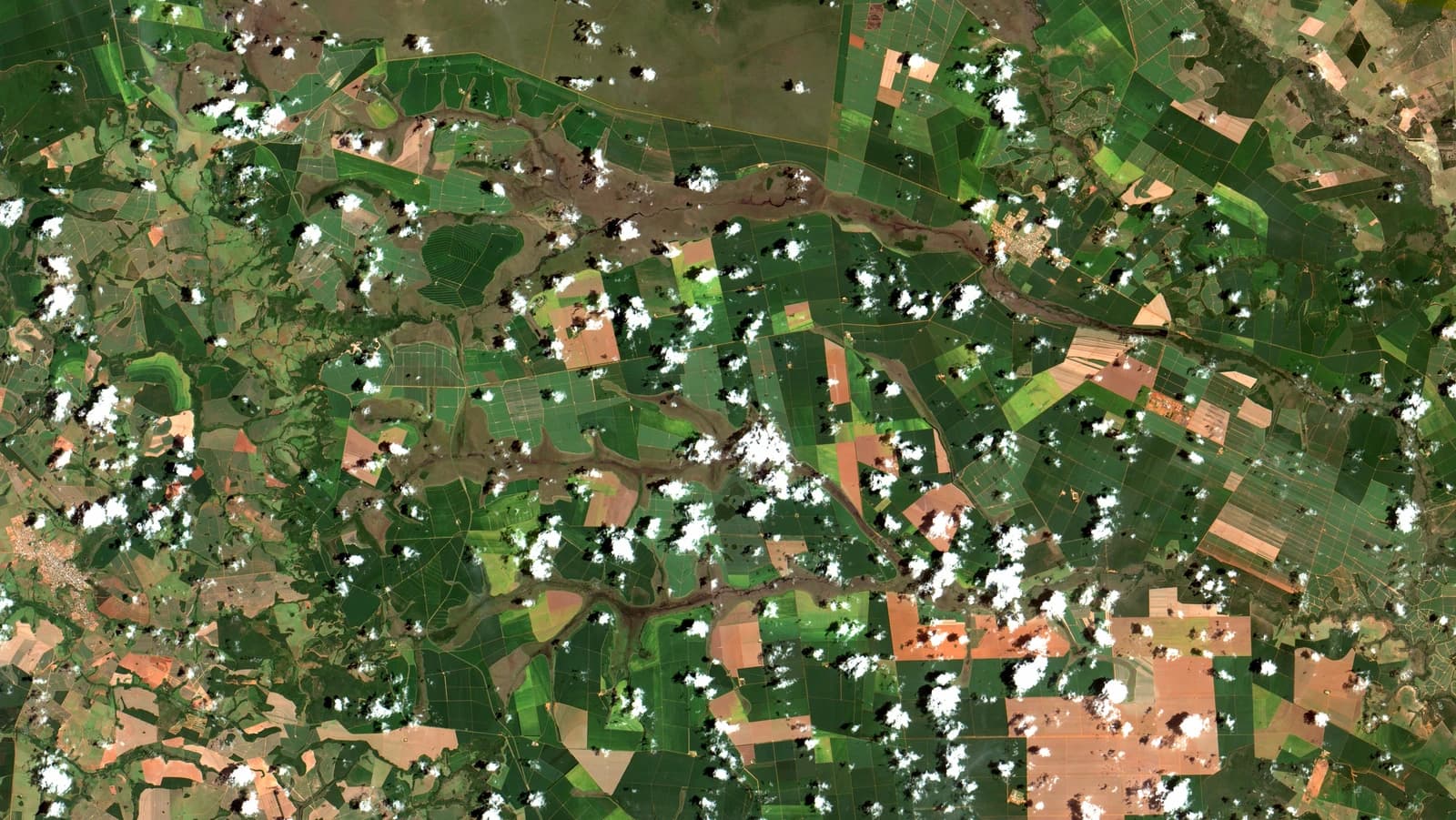
Momentum has accelerated in 2026. Brazilian agro exports totaled $133.6 billion in the first nine months, up 5.5% from a year earlier, while the country’s crop harvest is set for a record 361.7 million tons, including 180.4 million tons of soybeans, according to Conab. Analysts at the OECD and FAO say Brazil’s gains are being driven more by productivity and multiple cropping than by expansion into new land, a sign the country is squeezing more output from existing acreage.
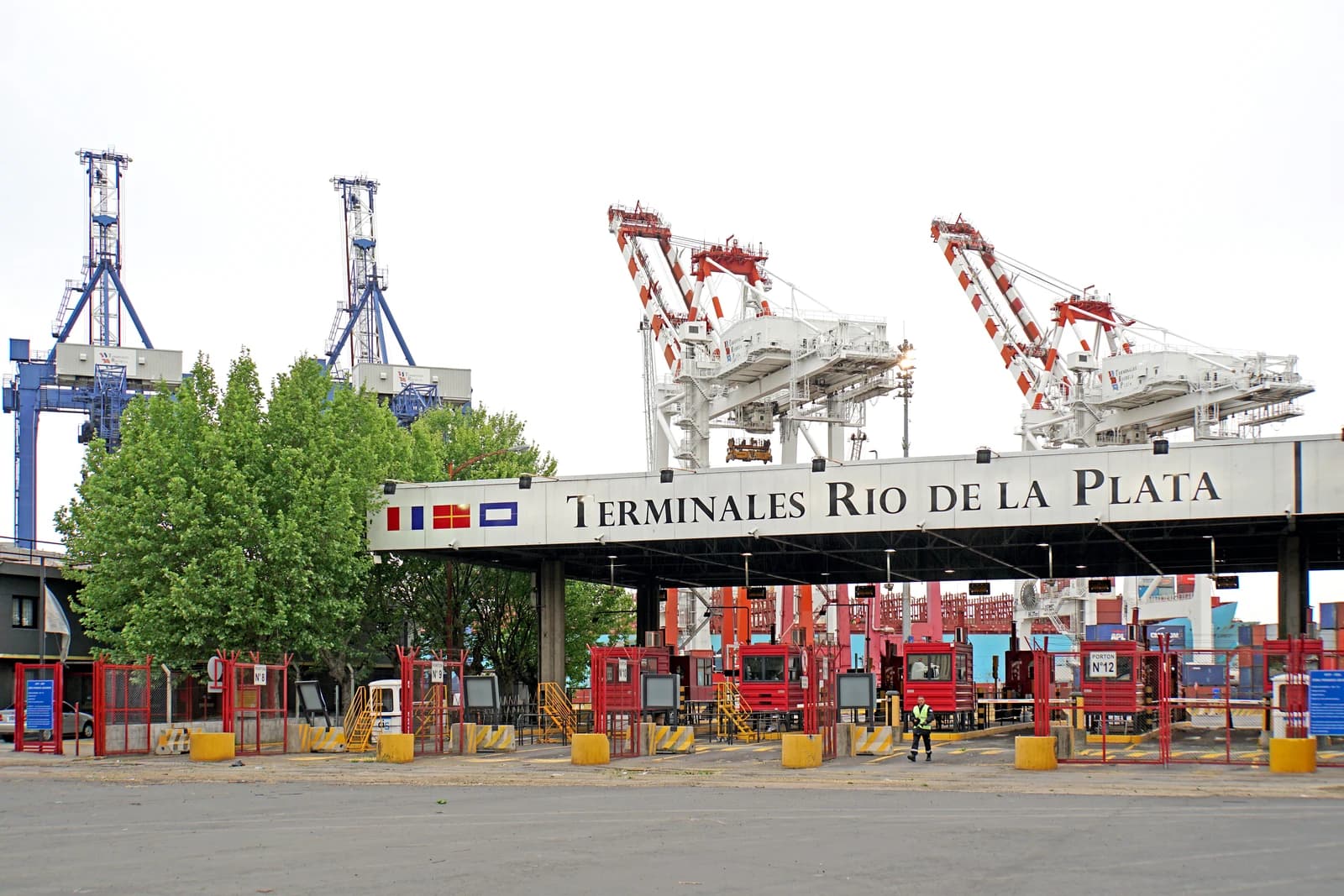
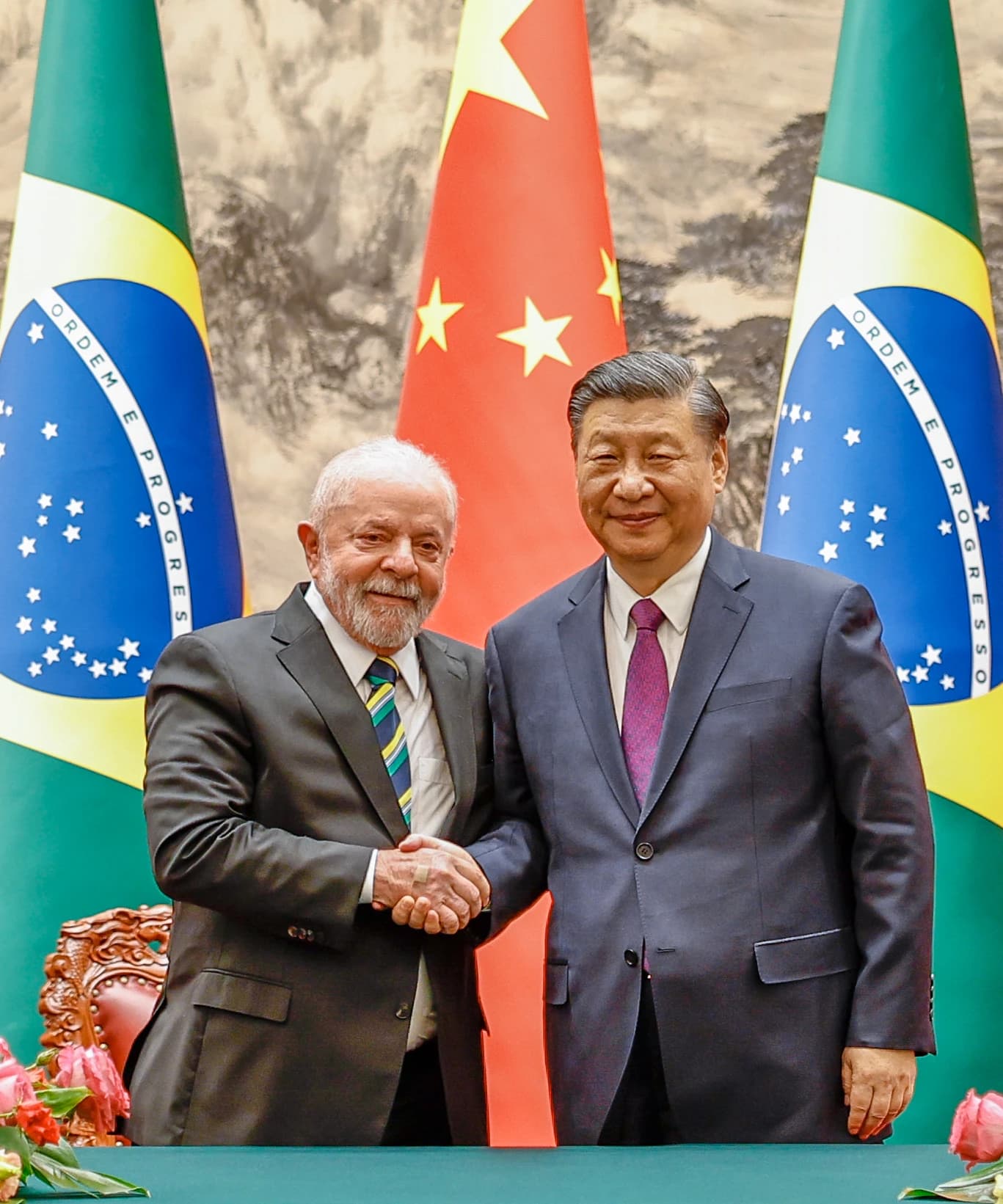
For investors, that points to a clear set of winners: exporters, port operators, logistics firms, grain handlers, processors and credit vehicles tied to the farm economy. Brazilian ag exporters get a direct lift from dollar revenue and strong Chinese demand, with China taking 35% of first-half Brazilian agro export revenue, or about $31 billion. The country’s push to build a tax and customs office in China underscores how central that market has become.
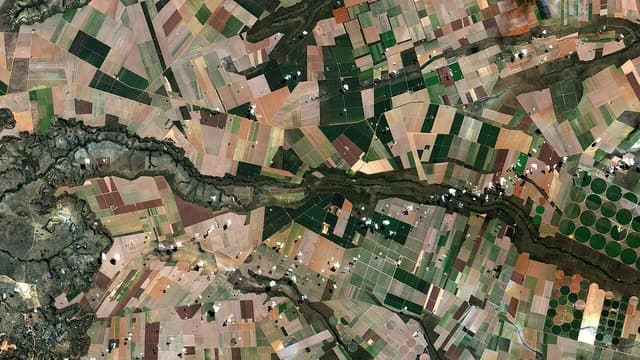
The U.S. is losing relative share as its China trade weakens. The USDA projects U.S. agricultural exports to China will fall to $12 billion in fiscal 2026, down 26% from a year earlier, even as Brazil continues to gain ground in soybeans, cotton and beef. The trade split matters because China remains the biggest single source of incremental demand in global grains and oilseeds, and any shift in sourcing can move pricing, margins and freight rates.
Brazil’s rise is also feeding through to local capital markets. JBS, one of the country’s biggest agribusiness names and a global meat heavyweight, has seen its shares recover to R$12.90 after a volatile stretch, with the stock trading above its 50-day moving average and a 71 RSI reading suggesting strong recent momentum. The wider agriculture ETF DBA is also steady near $28.20, supported by renewed interest in farm commodities and supply-chain beneficiaries.
But the story is not just about growth. It is also about concentration risk. Brazil’s export engine still leans heavily on soybeans and meat, and China accounts for more than a third of the revenue. That leaves producers, lenders and investors exposed if Beijing shifts sourcing or if prices soften. At home, the boom has not eliminated stress: rural judicial restructuring filings rose 21.9% in the first quarter of 2026, showing that tighter margins are still biting many producers.
The bigger implication is that Brazil is becoming more than a commodity supplier; it is becoming a central node in global food security. If the country finishes 2026 as the top exporter, the clearest beneficiaries will be large-scale producers, integrated processors, freight and infrastructure operators, and investors positioned for dollar-linked agricultural cash flows. The main losers are likely to be U.S. exporters, rivals in soybeans and cotton, and anyone relying on a stable China buying pattern.
| Entity | Gains | Losses |
|---|---|---|
| Brazilian exporters | ▲Higher dollar revenue | ▼Greater China dependence |
| U.S. exporters | ▲Domestic scale in place | ▼Global market share |
| Chinese buyers | ▲More supply options | ▼Less leverage on U.S. sourcing |
| Agribusiness investors | ▲Export-linked cash flows | ▼Commodity and policy risk |