Wheat prices have slid to a 3.5-month low as traders bet that renewed Russia-Ukraine talks could ease Black Sea supply disruptions and cut the freight and insurance costs that have kept import bills elevated.
Wheat Falls on Russia-Ukraine Talk Hopes

The benchmark milling wheat contract on Euronext Paris closed at 224 euros a ton, down 0.6% on the day and near its weakest level since late summer, while U.S.-traded wheat ETF WEAT fell to $21.73 on Nov. 6, its lowest close in the data and far below its 50-day moving average of $24.78. The drop matters because wheat is a key input for bread and flour across the Middle East and North Africa, where governments and consumers are still absorbing the cost of higher food imports.
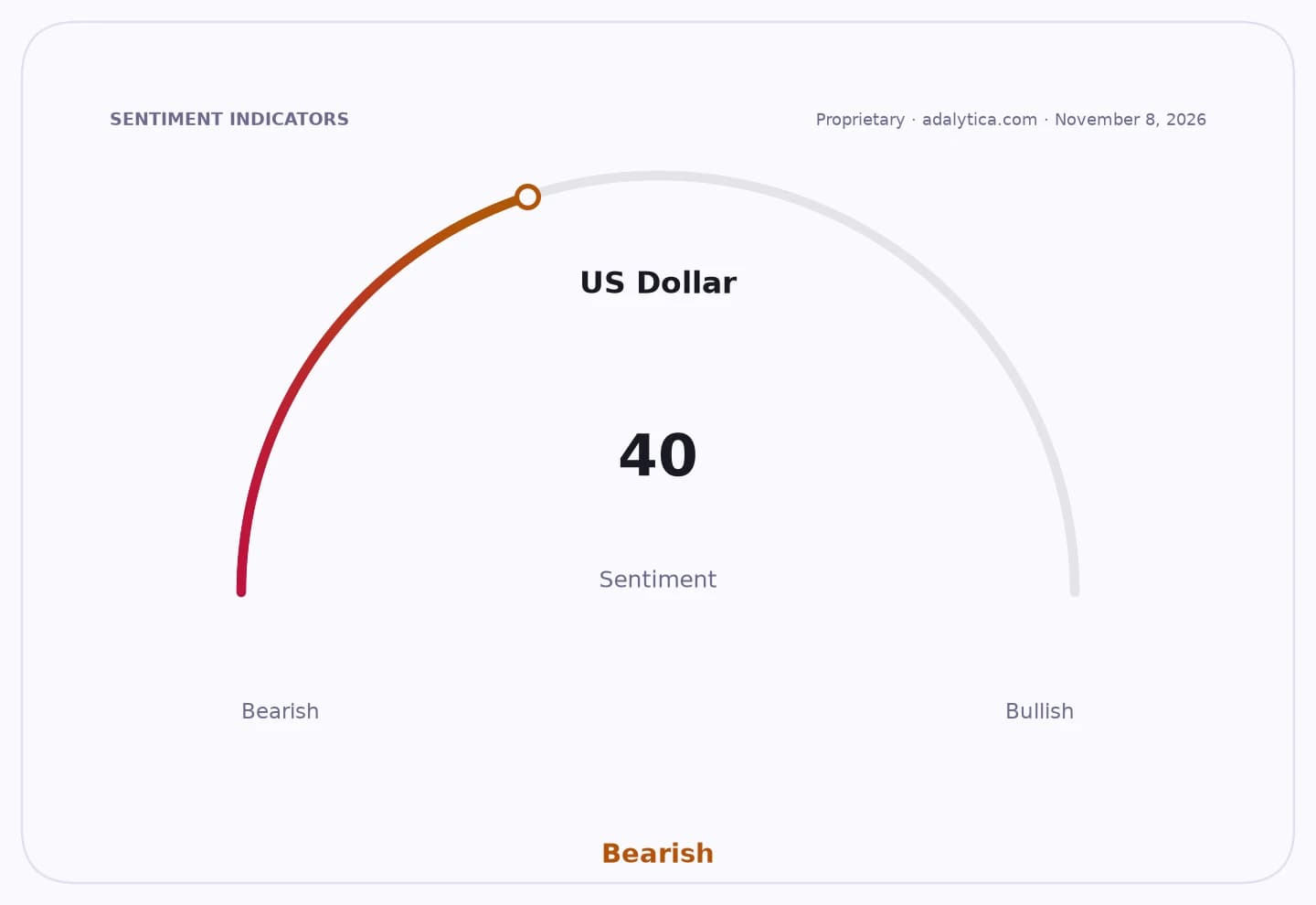
Sentiment Indicators
For importers such as Egypt, the bigger issue is not just the futures price but the landed cost. Standard & Poor’s Global put the cost of imported wheat, including shipping and insurance, at $306 a ton on Nov. 2, down $12 in a week, while the price of Russian wheat in Egyptian warehouses slipped 500 pounds to 18,000 pounds a ton. That points to some relief for state buyers, especially if Black Sea shipping lanes reopen more smoothly and vessels face shorter waits and lower war-risk premiums.
The market is reacting to the prospect of better logistics more than to any immediate shortage. Analysts and supply-chain specialists say the savings from cheaper wheat can be erased if port congestion persists or insurers stay cautious, even if benchmark prices keep falling. Standard & Poor’s Global said transport costs for wheat from Baltic ports to Egypt rose to $54 a ton on Oct. 7, up $10 in a week, after exporters rerouted cargoes away from the Black Sea.
Egypt remains the central test case. The FAO estimates the country will need about 13.5 million tons of wheat imports in 2026/27, with the Black Sea still a main source of supply and local production expected at about 10 million tons. Any sustained easing in Black Sea risk would also matter for bread subsidies, which help shield households and the state budget from swings in global grain prices.
The move is also visible across broader agricultural markets. Corn futures are under pressure as well, with the CORN fund at $17.19 and below its 50-day average of $18.90, while the DBA agricultural ETF has eased to $26.11. But wheat is the clearest barometer for whether geopolitical de-escalation can translate into lower food inflation, lower subsidy burdens and improved margins for import-dependent buyers.
Investors will watch whether the talks produce a durable shipping arrangement, not just headlines. Until then, wheat remains hostage to the same variables that have driven it for two years: Black Sea security, freight, insurance, currency moves and weather-related supply shifts.
| Entity | Gains | Losses |
|---|---|---|
| Egypt and other importers | ▲lower landed wheat costs | ▼smaller relief if shipping stays disrupted |
| Black Sea exporters | ▲easier access to buyers | ▼weaker pricing power |
| Consumers and governments | ▲pressure eases on food bills | ▼subsidy costs stay high if talks stall |
| Grain bulls | ▲short-covering if talks fail | ▼downside from peace-driven supply optimism |