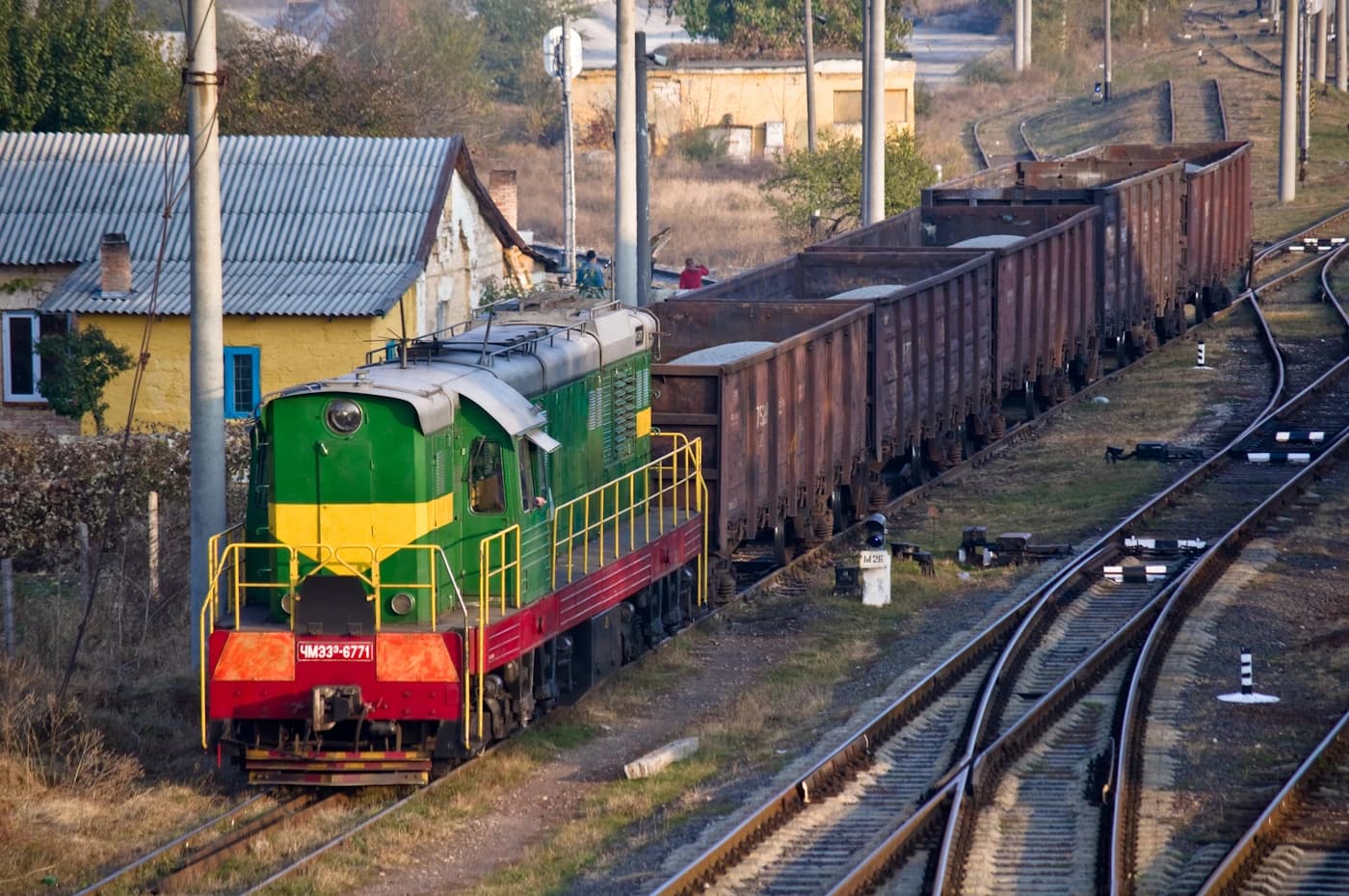
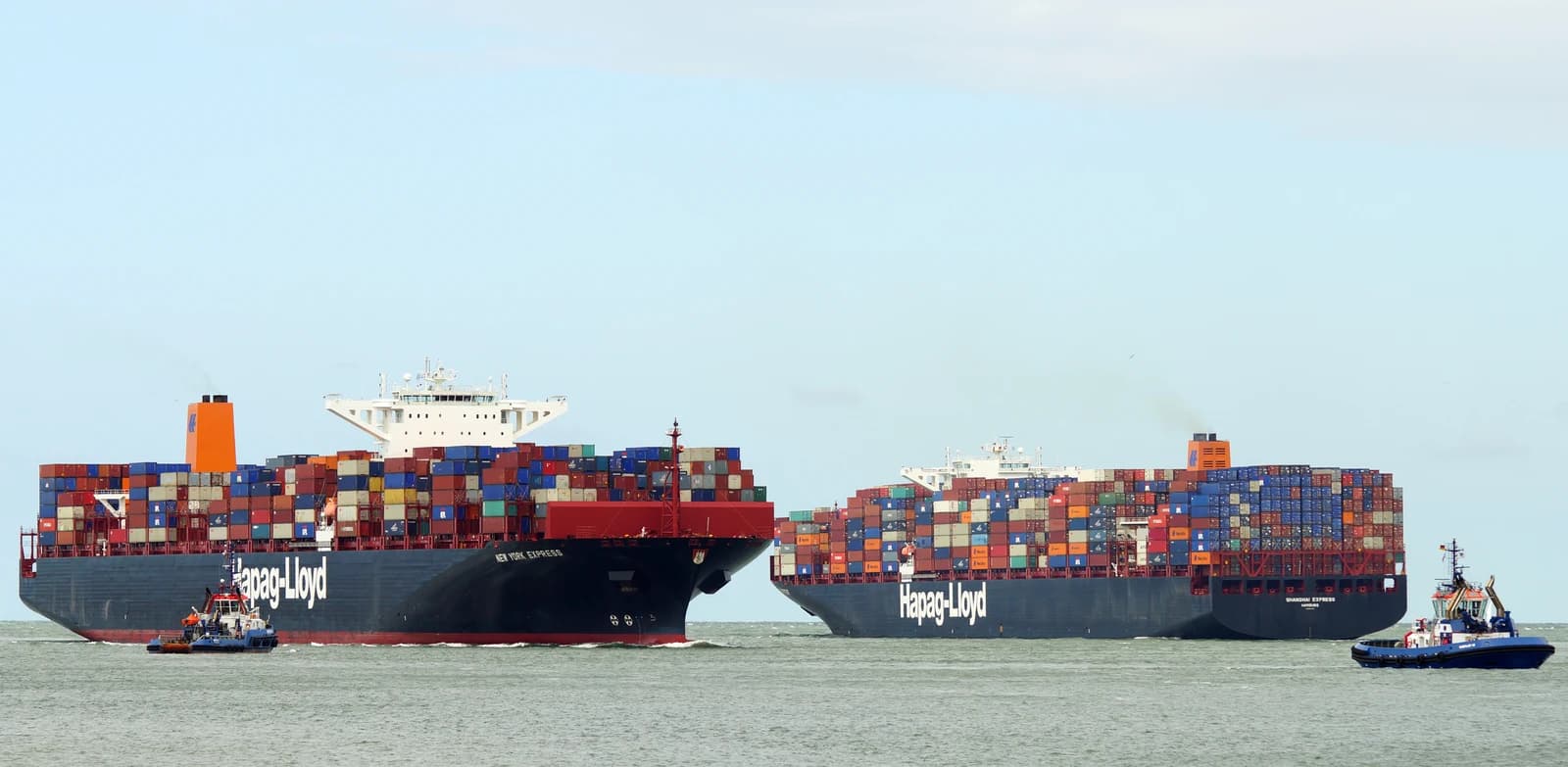
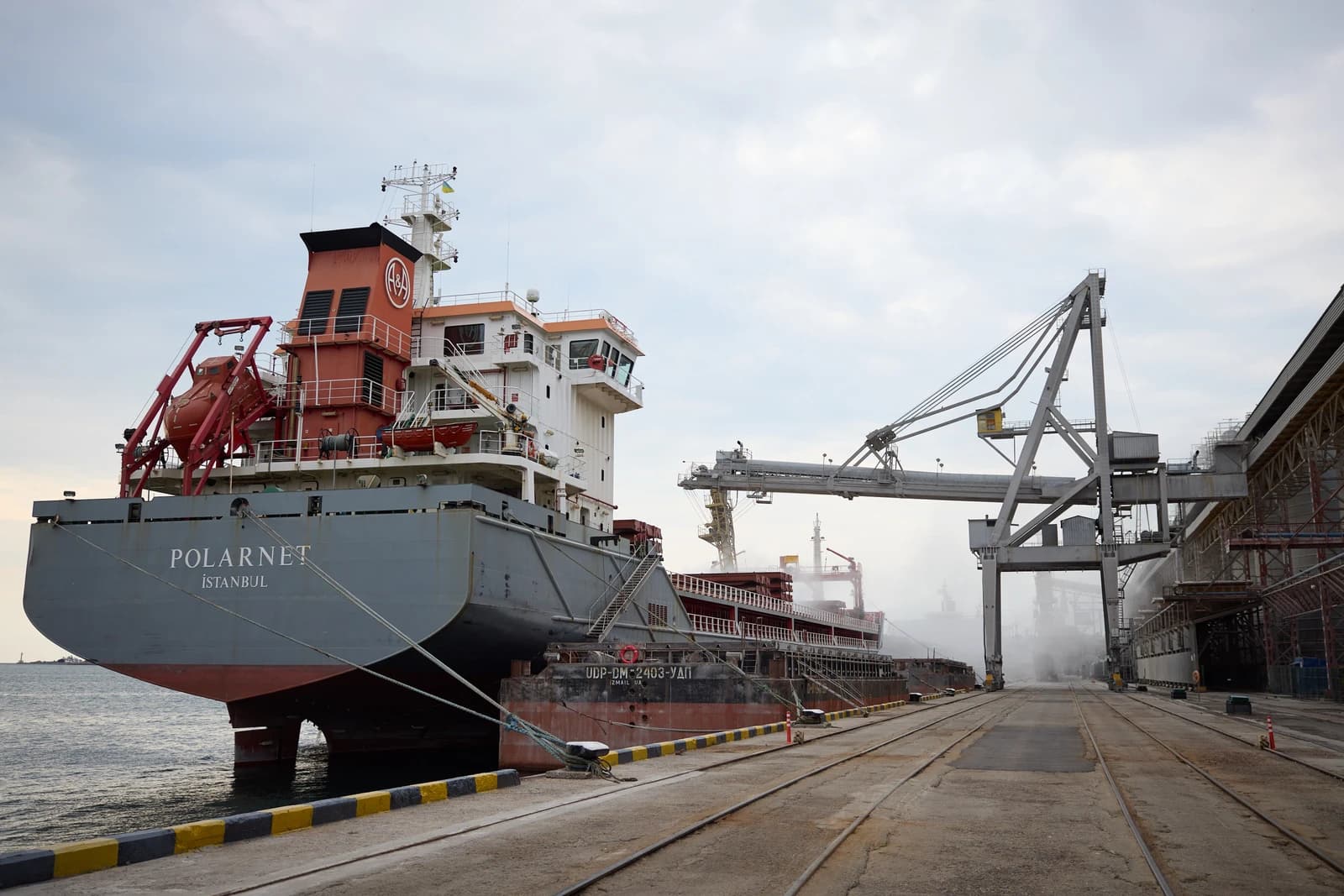
Rail transport is emerging as a more important grain conduit as Black Sea shipping remains under pressure, with CFM having moved more than 90,000 tons of wheat and keeping freight corridors active despite wider regional volatility.
CFM Moves 90,000 Tons as Wheat Shifts to Rail
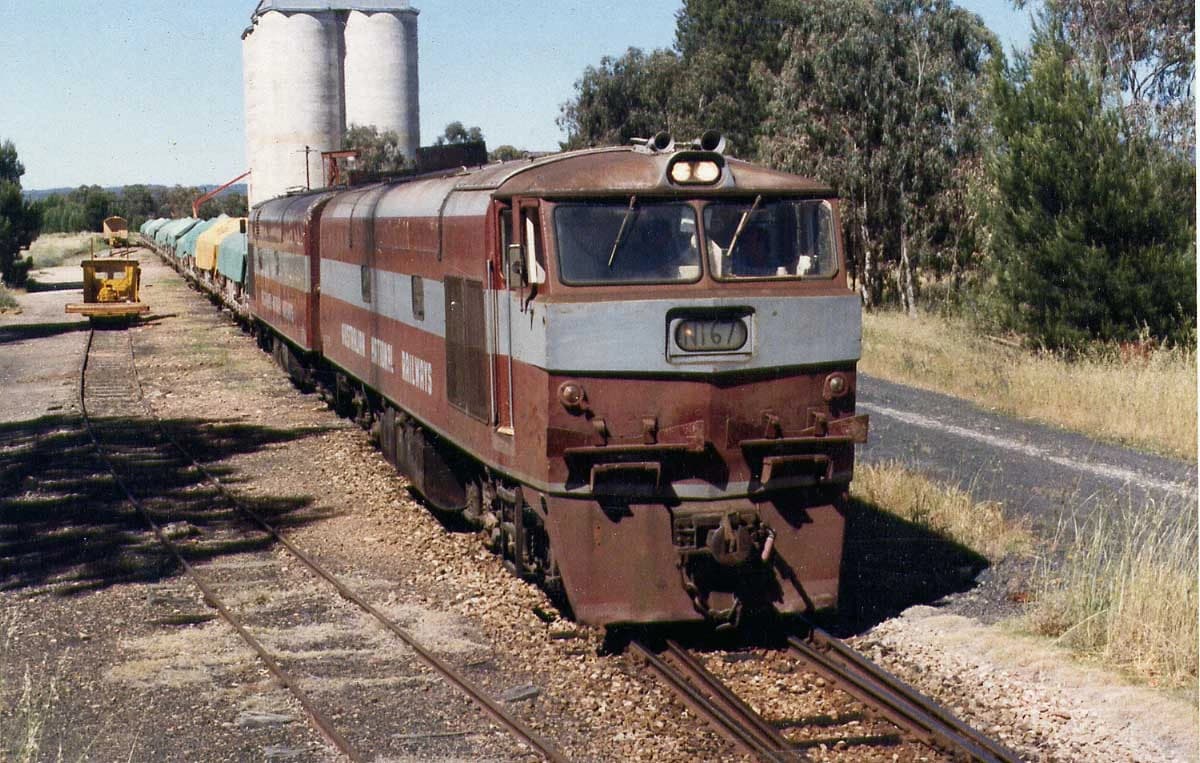
That matters because wheat is increasingly being priced not just on harvests and export demand, but on the cost, reliability and geopolitics of getting cargo to market. When sea lanes are interrupted or viewed as unsafe, inland rail operators gain leverage: they become the alternative that keeps exporters moving and buyers supplied. For grain traders, that can narrow bottlenecks and reduce some shipping risk, but it can also raise logistics costs and reshape route economics across Eastern Europe and Central Asia.
The latest traffic underscores how quickly trade flows are adapting. Russian wheat export prices have eased as optimism grows around a possible reduction in Black Sea tensions, yet the market is still functioning against a backdrop of conflict-driven route changes. Ukraine’s wheat exports have nearly halved in October because of attacks on Black Sea infrastructure, even as corn shipments have climbed, showing how exporters are re-routing trade where possible. At the same time, Russia expects a sharp increase in wheat shipments through Baltic ports, a sign that alternative corridors are becoming more strategically important.
Turkey’s push to build an Asia-Europe rail corridor outside conflict-affected zones adds another layer to the story. If Middle Corridor links are strengthened, rail could capture a greater share of grain and broader cargo flows between the Black Sea basin, Central Asia and Europe. That would benefit operators with capacity and cross-border access, but it would also intensify competition among ports, rail hubs and logistics intermediaries seeking to become the preferred choke point.
For investors, the key question is whether this is a temporary rerouting of wheat or the start of a more durable shift in freight patterns. Sustained disruption tends to favor rail operators, wagon lessors and integrated logistics firms with exposure to bulk commodities. But if Black Sea trade normalizes, some of the premium for alternative routes could fade quickly. The market will be watching whether CFM’s volume strength is a one-off response to a crisis or evidence that regional grain trade is structurally moving onto the rails.
| Entity | Gains | Losses |
|---|---|---|
| CFM / rail operators | ▲higher grain volumes | ▼sea-route competition eases |
| Wheat exporters using rail | ▲shipment continuity | ▼higher logistics costs |
| Black Sea ports/shipping lanes | ▲route normalization | ▼lost cargo share |
| Grain buyers | ▲supply access | ▼route disruption risk |