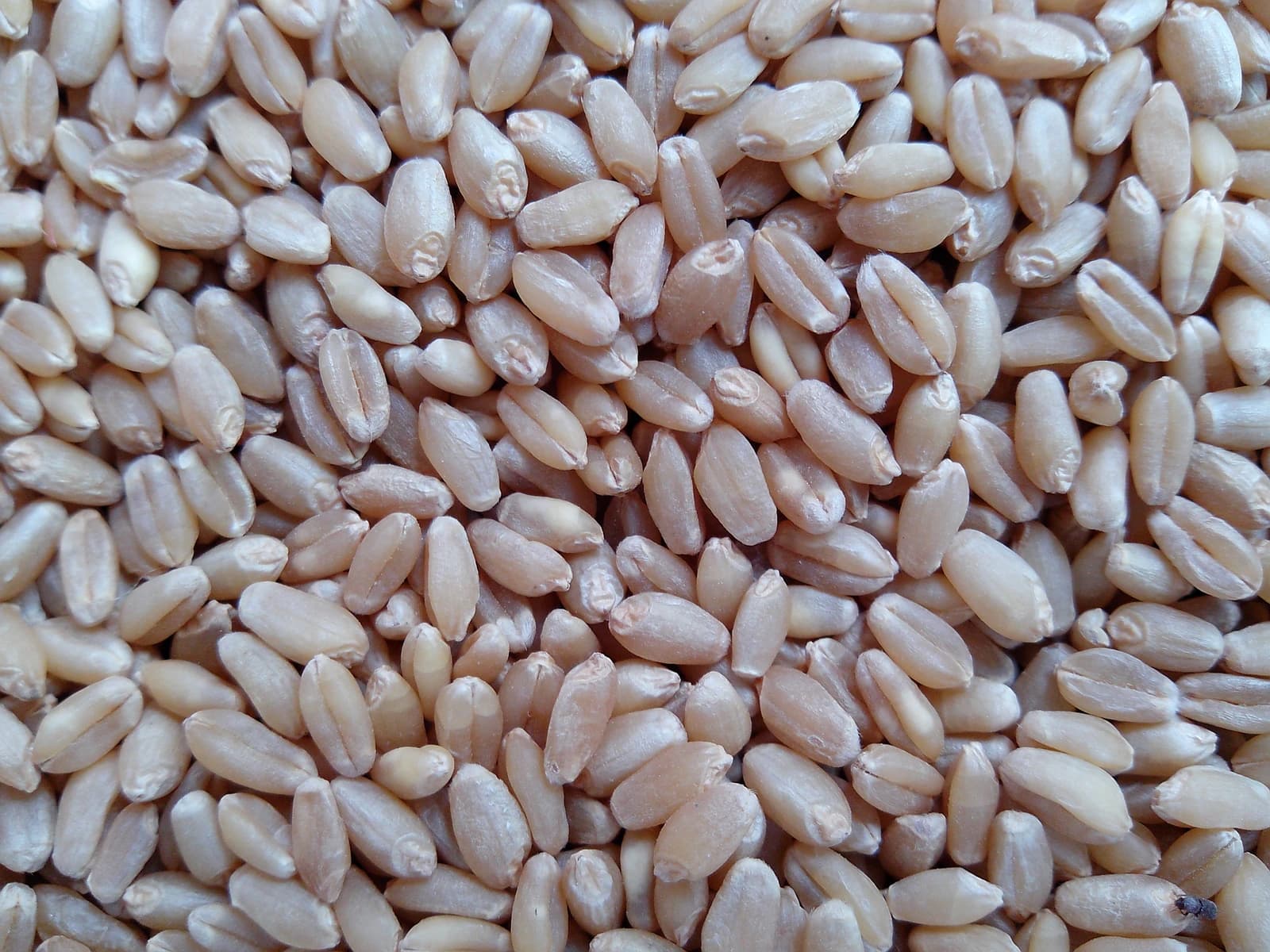
Wheat prices have edged higher as a weaker US dollar makes dollar-denominated commodities cheaper for overseas buyers, even as the market remains under pressure from abundant Black Sea supply and cautious demand.
Wheat Rises as Dollar Weakens, Black Sea Supply Pressures
The move matters because currency weakness can quickly improve the competitiveness of US grain in world markets and support futures even when fundamentals are soft. Wheat is priced globally in dollars, so a falling greenback effectively lowers the cost for importers in Europe, North Africa and Asia, encouraging buying and easing pressure on Chicago futures.
Sentiment Indicators

That support is visible in the market even as the broader backdrop stays bearish. Wheat has recovered from recent four-month lows, but prices are still near multi-month troughs because supply prospects remain favourable. Black Sea harvest expectations continue to anchor the market, while reports of reduced Russian wheat export forecasts for 2026/27 have not been enough to reverse a generally subdued demand picture. Jordan reportedly passed on a recent tender, underscoring how buyers are still waiting for better pricing.
The currency move is also showing up in other agricultural contracts. Soybeans have bounced from a 12-week low, while corn and wheat have both recovered from four-month lows, suggesting some of the recent liquidation in grains is giving way to short-covering. Even so, the technical picture for wheat remains fragile: the ETF tracking the crop, WEAT, closed at $21.73 on Nov. 6, well below its 50-day moving average of $24.78 and with an RSI reading of 8.5, a level that points to deeply oversold conditions rather than a durable trend reversal.
US Dollar — 30-day sentimentadalytica.com
Explore this data interactively — full history, time series and cross-market comparisons.

Corn has also weakened, with CORN ending at $17.19 on Nov. 6 versus a 50-day average of $18.90, while the USDA-linked oil market backdrop has softened too, with US crude futures slipping to about $98.20 a barrel in the latest forecast after recent volatility. A softer dollar often helps broad commodity prices, but for wheat the effect is being balanced by still-comfortable global inventories and competitive supply from Russia and other Black Sea exporters.
Adalytica’s US Dollar Trade Signals snapshot shows sentiment on the dollar at 40, or neutral, but awareness at 81, suggesting the move is drawing heavy market attention. For investors, that means the next leg in wheat is likely to depend less on headline supply figures than on whether the dollar keeps weakening enough to pull import demand forward. If it does, wheat could extend its rebound from oversold levels; if not, the market may drift back toward supply-led lows.
| Entity | Gains | Losses |
|---|---|---|
| Wheat exporters | ▲Better dollar-adjusted competitiveness | ▼Lower export urgency if demand stays weak |
| Importing buyers | ▲Cheaper dollar-priced wheat | ▼Risk of paying more if rebound extends |
| US wheat futures | ▲Currency support and short covering | ▼Oversupply from Black Sea region |
| Black Sea suppliers | ▲Continued market share from ample supply | ▼Pressure if weaker dollar revives US competition |