Corn futures fell to a 40-month low in October, underscoring how quickly the grain market has shifted from supply anxiety to a more comfortable balance and why the move is rippling through traders, food processors and farm suppliers.
Corn Futures Fall to 40-Month Low
The decline matters because corn sits at the center of feed, ethanol and food-chain pricing, so a sustained drop can ease input costs for livestock producers and some food manufacturers even as it squeezes growers and merchants that benefited from the earlier rally. Corn’s latest slide also comes as broader commodity pressure has returned to agricultural markets, with the benchmark contract trading down to 17.19 a bushel on Nov. 6 after touching 20.27 in September and 20.03 in late August.
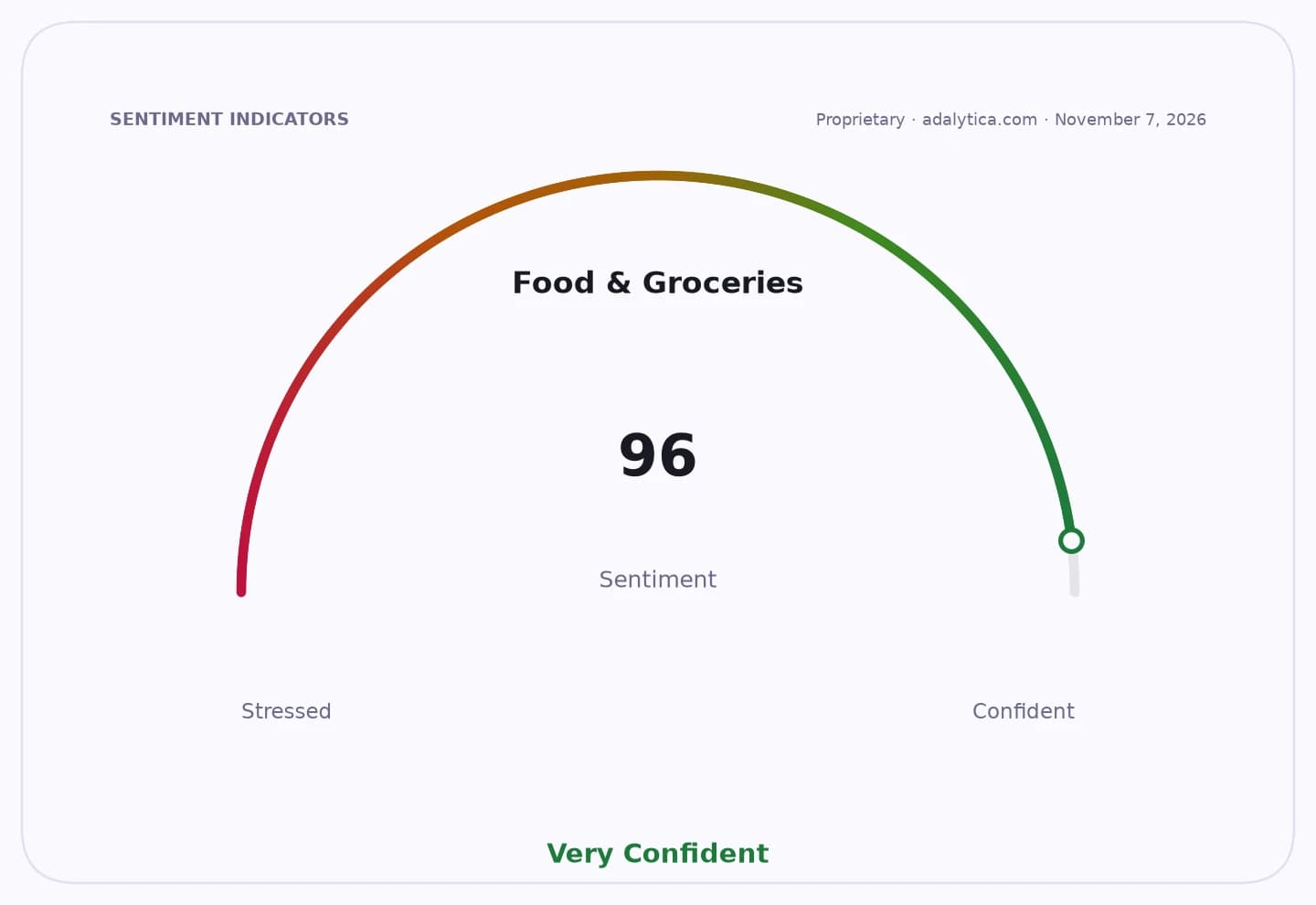
Sentiment Indicators
Technical signals point to momentum decisively lower. The contract is trading well beneath its 50-day moving average of 18.9 and its 200-day moving average of 18.18, while a relative strength index of 25 suggests the market remains oversold. The MACD is still negative, reinforcing the view that sellers retain control even after a brief rebound from the November lows.
The weaker price backdrop is feeding directly into agribusiness valuations. Archer-Daniels-Midland Co. has lost more than 20% since mid-September, with shares sliding to 69.97 on Nov. 6 from 88.09 on Sept. 17. Bunge Global SA has fallen to 99.1 from 119.31 over the same period. Those declines reflect not just corn’s slump but also a broader reset in trading and processing margins as the post-war supply premium unwinds.
For grain merchants, lower prices can compress merchandising spreads and reduce inventory gains. That is a shift from earlier in the year, when elevated crop prices supported results and helped sustain bullish positioning. The move also highlights how fast the market can turn once harvest progress, ample supply expectations and softer risk appetite take hold.
Farm economics face the opposite direction. Weaker corn prices cut revenue per acre just as fuel, fertilizer and financing costs remain a burden for producers. That makes government support and crop efficiency more important, while increasing the incentive for farmers to lock in prices where they can.
A narrower risk is that corn’s decline may prove too sharp if weather, export disruptions or geopolitical shocks revive concern about supplies. For now, though, the market narrative is one of easing scarcity, lower input inflation and a more difficult earnings backdrop for agricultural names tied to grain pricing.
| Entity | Gains | Losses |
|---|---|---|
| Livestock producers | ▲Lower feed costs | ▼Corn growers |
| ADM and Bunge | ▲Cheaper input inventory | ▼Grain merchandising margins |
| Food makers | ▲Potential margin relief | ▼Farmers' crop revenue |
| Consumers | ▲Easier food inflation | ▼Long corn positions |