Egypt’s plan to lean harder on offshore drilling and a stronger power grid matters because it attacks the root problem behind the country’s LNG bill: too little domestic supply and too much dependence on expensive imports. For investors, that is more than a utilities story. It is a sovereign energy balance-sheet story, with implications for Egypt’s currency pressure, fiscal strain and the prospects for drillers, LNG suppliers and energy infrastructure companies doing business in the region.
Egypt Offshore Drilling and Grid Upgrade Plan
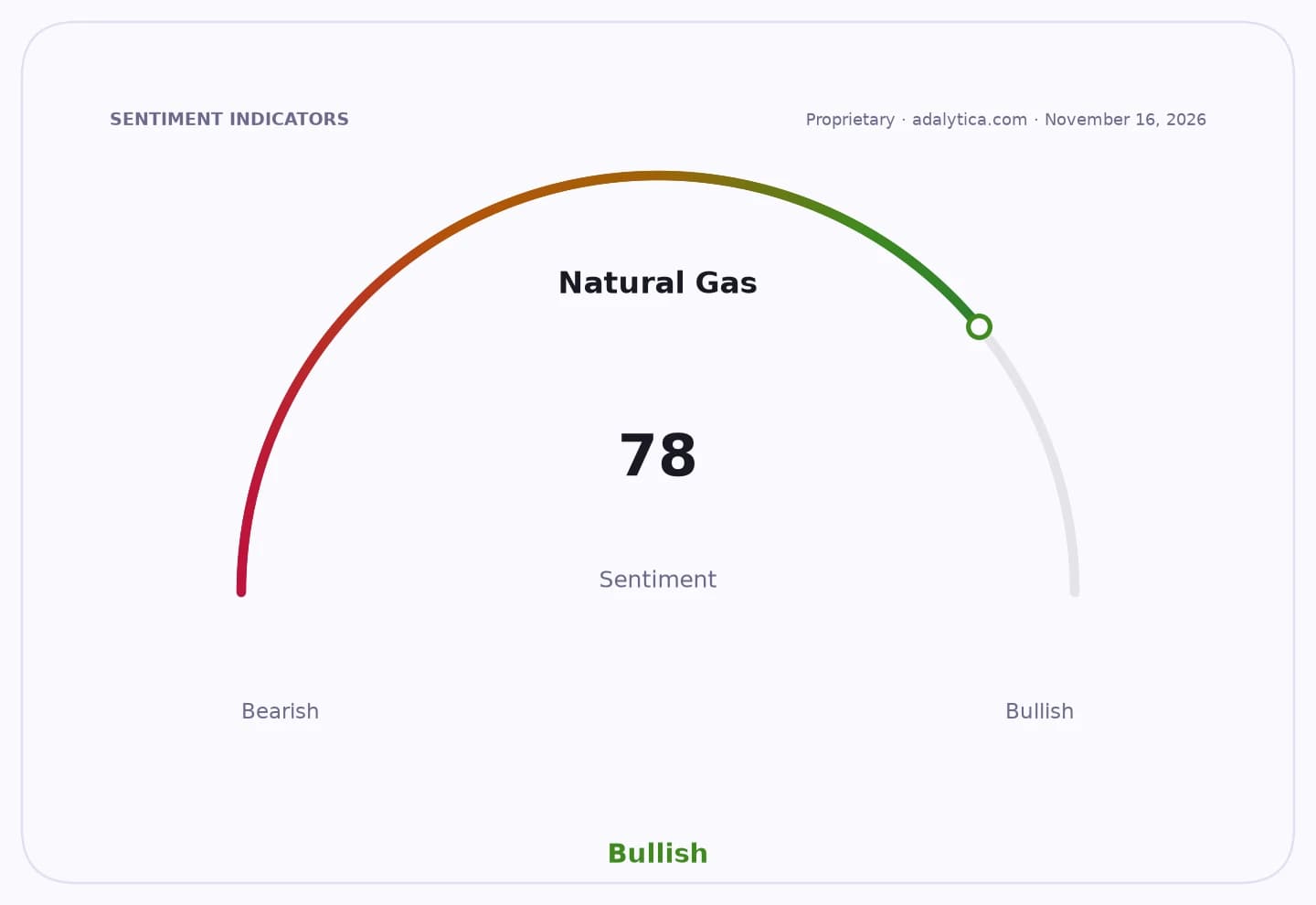
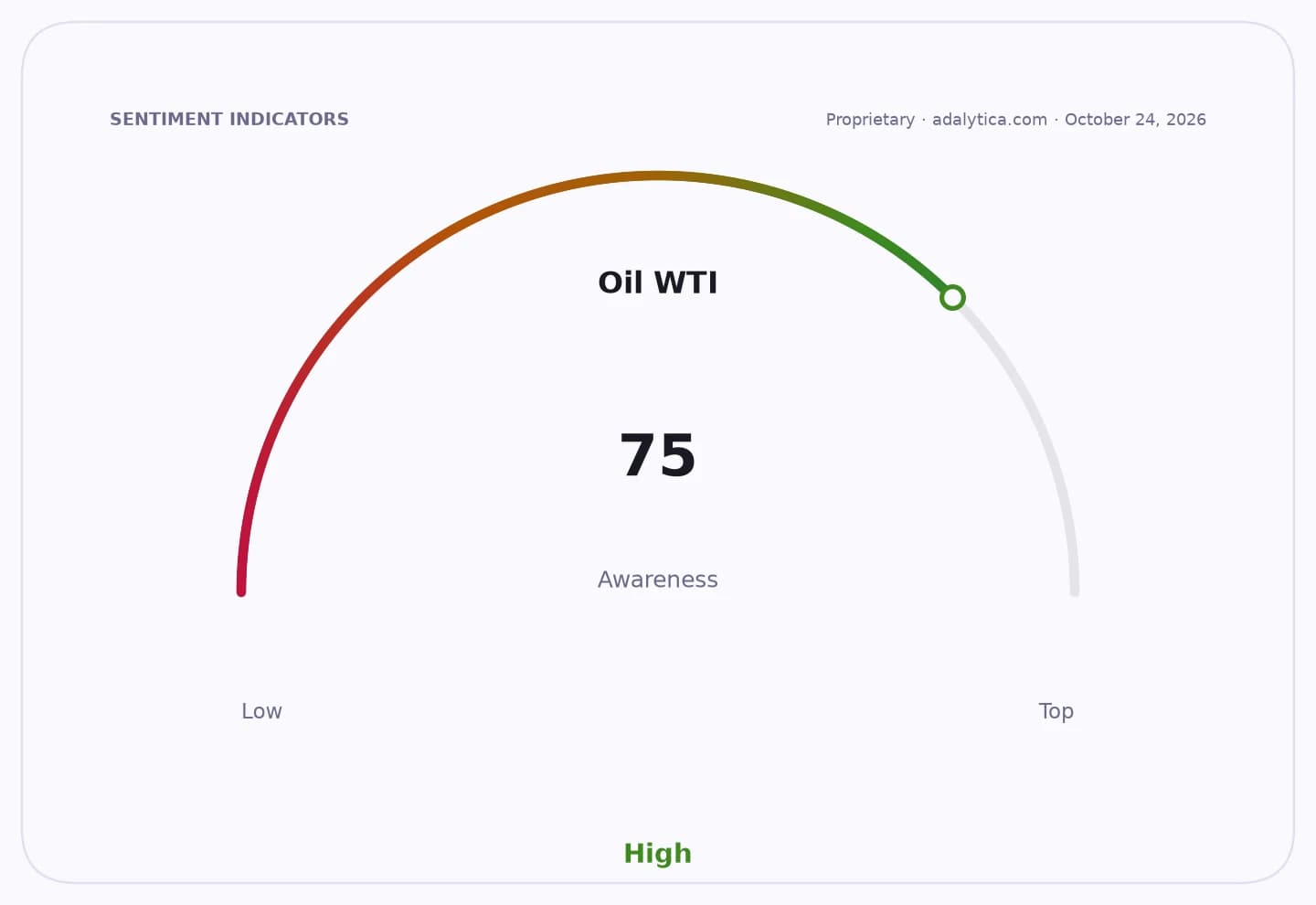
The economic logic is simple. Every additional cubic foot of gas produced at home is one less cubic foot Egypt must buy from abroad, often in a volatile global market where LNG prices can swing sharply on geopolitics, weather and shipping disruptions. Brent crude has remained elevated and global gas markets are still sensitive to supply shocks, while natural gas sentiment in Adalytica’s gauge sits at neutral even after a recent uptick in short-term readings. That combination keeps imported energy costly and reinforces why Egypt wants to bring more offshore volumes onstream.
Sentiment Indicators
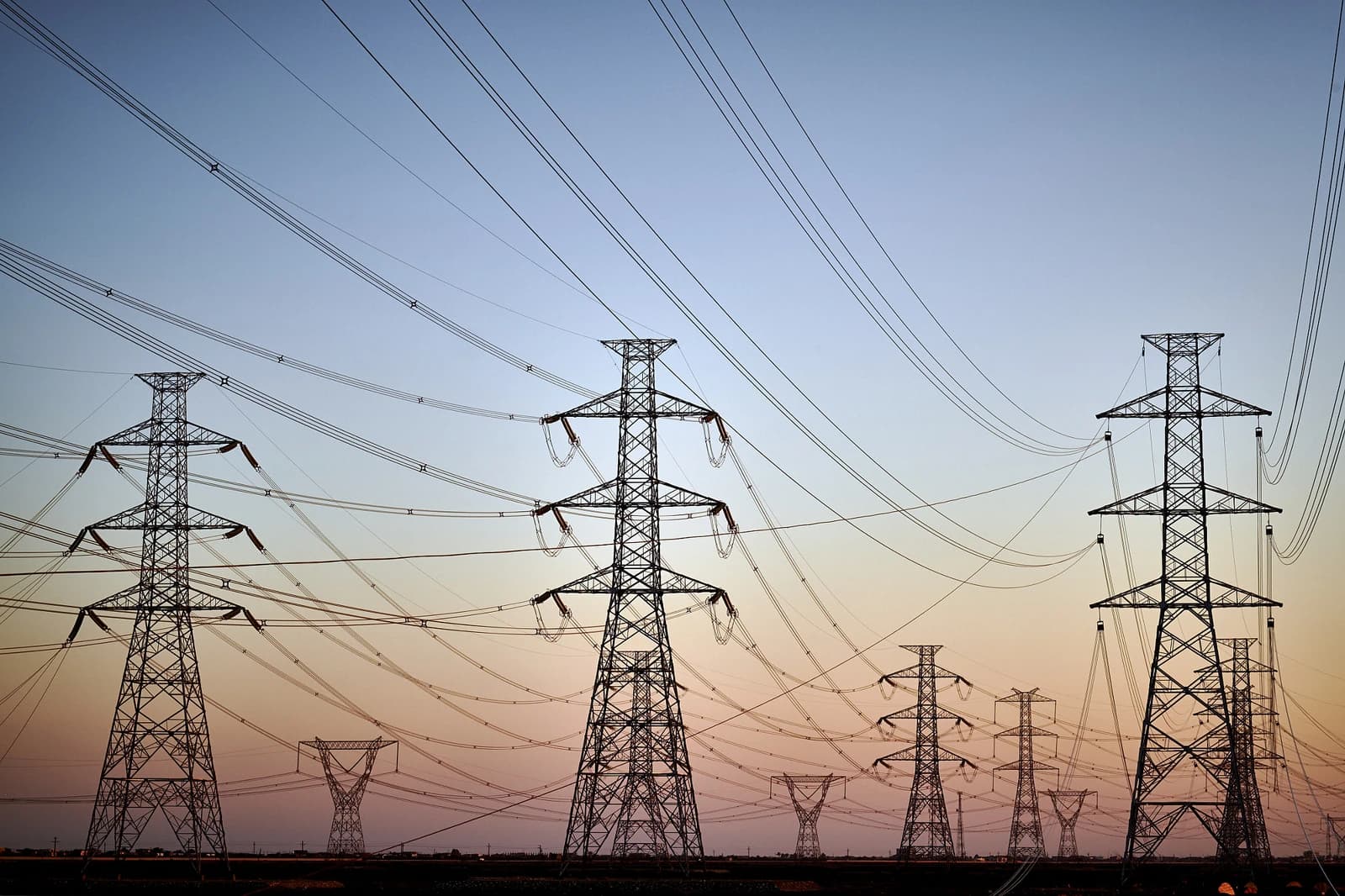
Egypt is not trying to solve this overnight. Offshore wells take time, capital and technical expertise, and even the best drilling campaign can be slowed by reservoir complexity or financing constraints. But the direction of travel is important. The country’s recent drilling activity shows it is still developing the resource base, while grid upgrades matter just as much: a stronger network can move gas where it is needed, reduce losses and make domestic production more useful to the broader economy. In other words, supply without delivery capacity does not lower costs for long.
For investors, the story is about who captures the margin between high LNG import prices and lower-cost domestic gas. National oil companies and their partners benefit if Egypt can improve self-sufficiency and keep more cash inside the country. Offshore service providers also stand to gain if the government keeps spending on wells, seismic work and field development. But LNG exporters and traders could face a less attractive market if Egypt cuts imports faster than expected, particularly in a region where supply routes and pricing remain vulnerable to geopolitical flare-ups.
That is why Egypt’s energy strategy should be watched over a multi-year horizon, not a single quarter. If the country succeeds, the payoff is lower import dependence, less pressure on public finances and a more resilient power system. If it falls short, Egypt will remain exposed to the same expensive LNG cycle that has repeatedly strained emerging-market energy budgets. For long-term investors, the best move is to treat this as a structural theme worth monitoring, especially in offshore services, regional gas infrastructure and energy-linked sovereign risk.
| Entity | Gains | Losses |
|---|---|---|
| Egypt | ▲Lower LNG import costs | ▼Less fiscal pressure relief if drilling lags |
| Offshore drillers | ▲More rig demand | ▼Fewer contracts if spending slows |
| LNG exporters | ▲Stable near-term sales | ▼Demand loss if Egypt boosts domestic supply |
| Egyptian consumers | ▲More reliable power supply | ▼Continued volatility if grid upgrades stall |