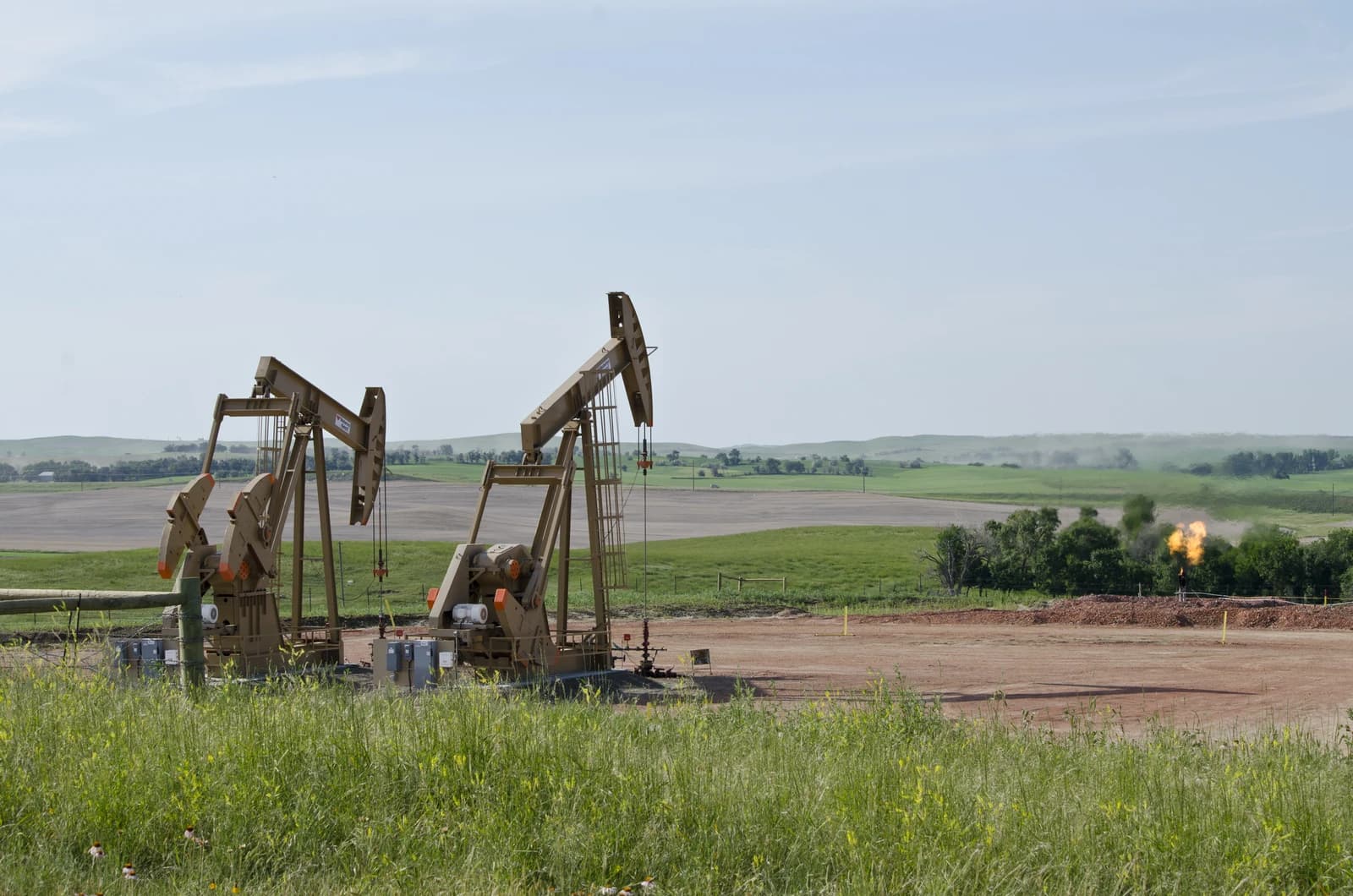
Egypt is pressing ahead with a push to squeeze more oil and gas out of mature fields, with state officials seeking deeper cooperation with Weatherford International on drilling, completion and digital technologies that could lower operating costs and accelerate new production.
Egypt Seeks Weatherford Help for Mature Oil Fields
The talks matter because Egypt is trying to offset natural declines in older reservoirs without relying entirely on new discoveries, a costly and slower route for a country that wants to stabilize domestic supply and reduce its import burden. By targeting real-time well monitoring, predictive maintenance and integrated production management, Cairo is signaling that the immediate prize is not just more drilling, but better recovery rates from existing assets.
That approach aligns with a broader shift across the oilfield services sector, where customers are prioritizing production optimization and efficiency over brute-force expansion. Weatherford’s latest quarter showed the company is still investing heavily in technology-led services, even as energy-services spending remains sensitive to geopolitics and customer capital discipline. Its shares have also reflected renewed investor interest in service companies tied to efficiency gains and international upstream activity, while Halliburton and SLB have similarly leaned on production-enhancement work as a key revenue driver.
For Egypt, the potential benefit is twofold: higher output from mature fields and lower unit costs across the upstream system. That could improve the economics of fields that might otherwise underperform, support faster payback on drilling campaigns and help the government stretch domestic hydrocarbon resources further. The minister also wants Weatherford to contribute to quicker well spud-to-production timelines, which would matter if Egypt is trying to add barrels and molecules before declines deepen.
The discussion also has a workforce component, with both sides floating technical services, knowledge transfer and training for Egyptian petroleum companies. That is important in a market where technology transfer can be as valuable as equipment, especially if local operators are expected to run increasingly complex wells with tighter margins.
For Weatherford, a broader role in Egypt would reinforce its position in the Middle East and North Africa at a time when service companies are competing on digital tools as much as hardware. For investors, the key question is whether these kinds of country-level partnerships translate into durable international revenue rather than one-off project wins. The bull case is that Egypt becomes a repeat customer for higher-margin technology and services; the bear case is that budget constraints and commodity volatility limit the scale of follow-through.
The bigger narrative is that Egypt is trying to modernize its upstream sector just as the global oilfield services market increasingly rewards operators that can produce more from existing wells, not just drill more of them. If the talks progress into contracts, the main catalyst will be whether Weatherford’s tools can quickly improve recovery rates in mature fields while keeping costs down.
| Entity | Gains | Losses |
|---|---|---|
| Egypt | ▲Higher output, lower costs | ▼Reliance on aging fields |
| Weatherford | ▲New service contracts | ▼Execution risk |
| Egyptian petroleum firms | ▲Technology transfer | ▼Upfront integration costs |
| Rivals in oilfield services | ▲— | ▼Share of Egypt opportunity |