Egypt’s petroleum ministry is stepping up hydraulic fracturing and horizontal drilling in a bid to slow natural field declines and unlock production from reservoirs that conventional methods can no longer exploit efficiently.
Egypt Boosts Fracking to Raise Oil and Gas Output
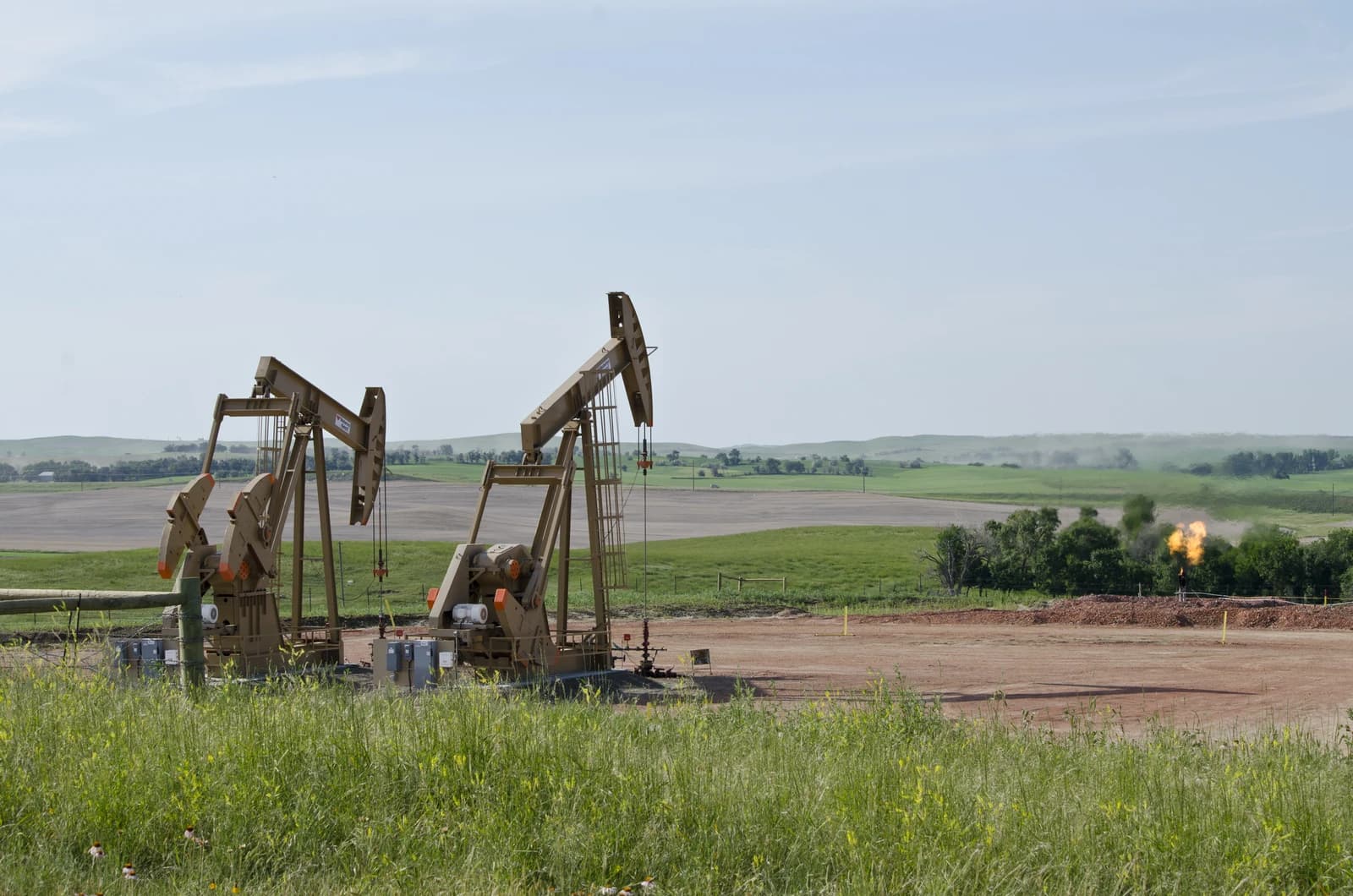
The move matters because Egypt is trying to squeeze more barrels and cubic feet out of mature assets at a time when domestic output has been pressured by depletion, while the economics of new drilling remain sensitive to oil prices, financing conditions and the availability of foreign service firms. By targeting existing wells, marginal fields and unconventional resources, Cairo is aiming for faster production gains with less discovery risk than frontier exploration.
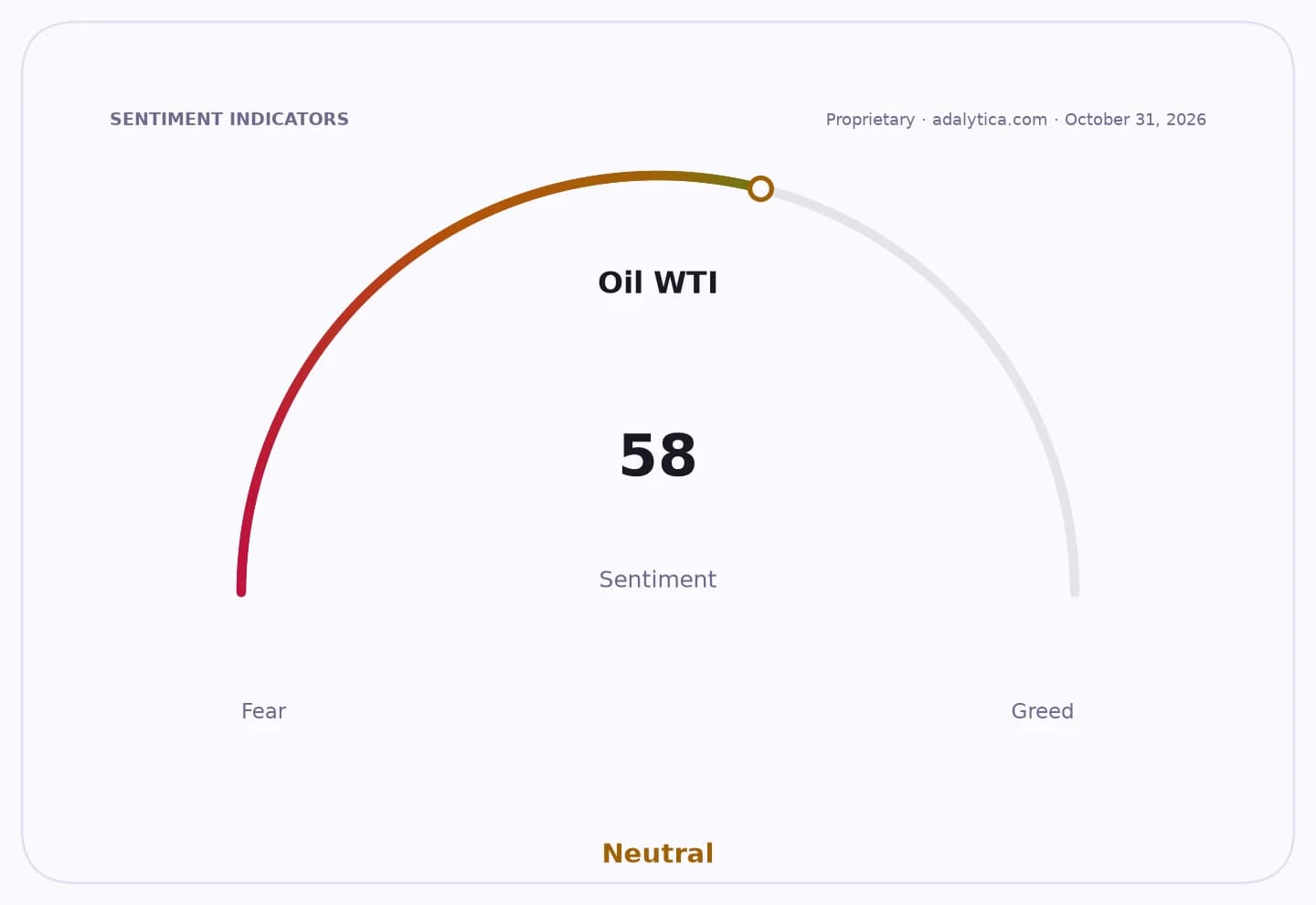
Sentiment Indicators
At the center of the plan is the White H-18 well in the White Desert, where the ministry said production is targeted to rise to about 12 million cubic feet of gas a day from roughly 3 million, a fourfold increase through multistage hydraulic fracturing. That is the clearest near-term proof point for a wider campaign that the ministry says is designed to revive shut-in or declining wells and reach reservoirs that were uneconomic under traditional completion methods.
The potential prize is larger. NESR, the oilfield services company, presented a preliminary study suggesting fracturing could add 50,000 to 100,000 barrels a day to Egyptian oil output if the western desert’s unconventional resources are developed further. That estimate is not a committed forecast, but it highlights why the ministry is pushing the technology now: the upside is meaningful relative to Egypt’s current production base, while the capital outlay is likely lower than drilling a comparable number of new wildcat wells.
The strategy also reflects how the industry is changing globally. Fracking and horizontal drilling transformed output in the United States and have been used in Saudi Arabia and elsewhere to offset reservoir decline and improve recovery rates. Egypt is trying to adapt that model to its own geology, with early success already reported in parts of the western desert and Sinai, where 15 horizontal wells have been drilled and four more are under way.
For investors, the policy has two readings. Bullishly, it could stabilize local production, support cash flow for domestic producers and create more work for international oilfield service firms such as SLB and Halliburton, which were tapped for technical studies on three Abu Roash opportunities. Bearishly, the economics may still prove uneven: the ministry itself said the projects depend on technical and economic evaluation, and the incentive structures it is designing will determine whether partners commit capital at scale.
That is why the contract model matters as much as the geology. Egypt is looking at performance-based, integrated-service and turnkey agreements, along with more flexible repayment terms and faster capital recovery, to make the projects financeable and spread risk more evenly between the state and its partners. Those changes could improve execution, but they also signal that attracting investment will require more than technology alone.
In market terms, the story is less about a single well than about Egypt trying to turn mature fields into a higher-yielding, technology-led growth engine. If the initiative works, it could reduce reliance on expensive imports, improve the output profile of state-linked producers and deepen demand for advanced completions services across the country’s onshore and offshore acreage. If it stalls, the limits of the geology and the economics will be exposed quickly.
| Entity | Gains | Losses |
|---|---|---|
| Egyptian petroleum ministry | ▲Higher output, lower decline | ▼Execution risk |
| Domestic producers | ▲Better recovery rates | ▼Higher project complexity |
| SLB and Halliburton | ▲More service contracts | ▼Uncertain project approvals |
| Oil importers | ▲Less dependence on imports | ▼Lower import volumes |