Argentina’s labor market is deteriorating in a way that is easy to miss in headline job counts but impossible to ignore for investors: formal salaried employment is shrinking while independent and informal work is absorbing more people and more hours.
Argentina labor market shifts to informal work
The latest INDEC data show total jobs rose just 0.5% year on year in the second quarter of 2026 to 22.566 million, but that modest gain masks a sharper shift in quality. Registered salaried positions fell 0.8% from a year earlier, while non-salaried jobs climbed 3.9%. Hours worked followed the same pattern, up 1.2% overall but down 0.6% for salaried workers and up 6.3% for the self-employed. That is not a healthy labor-market rebound; it is a reallocation toward more fragile work arrangements.
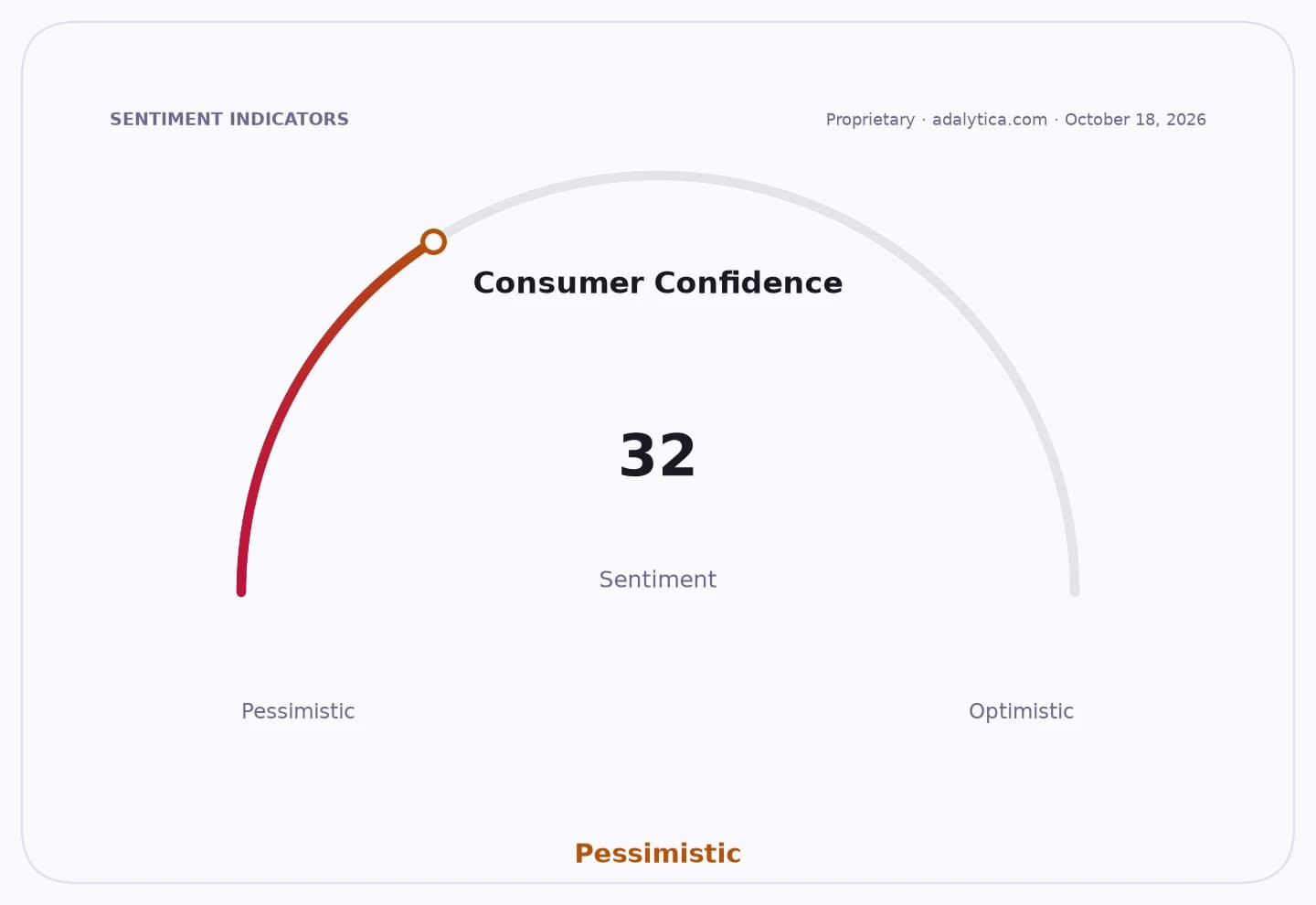
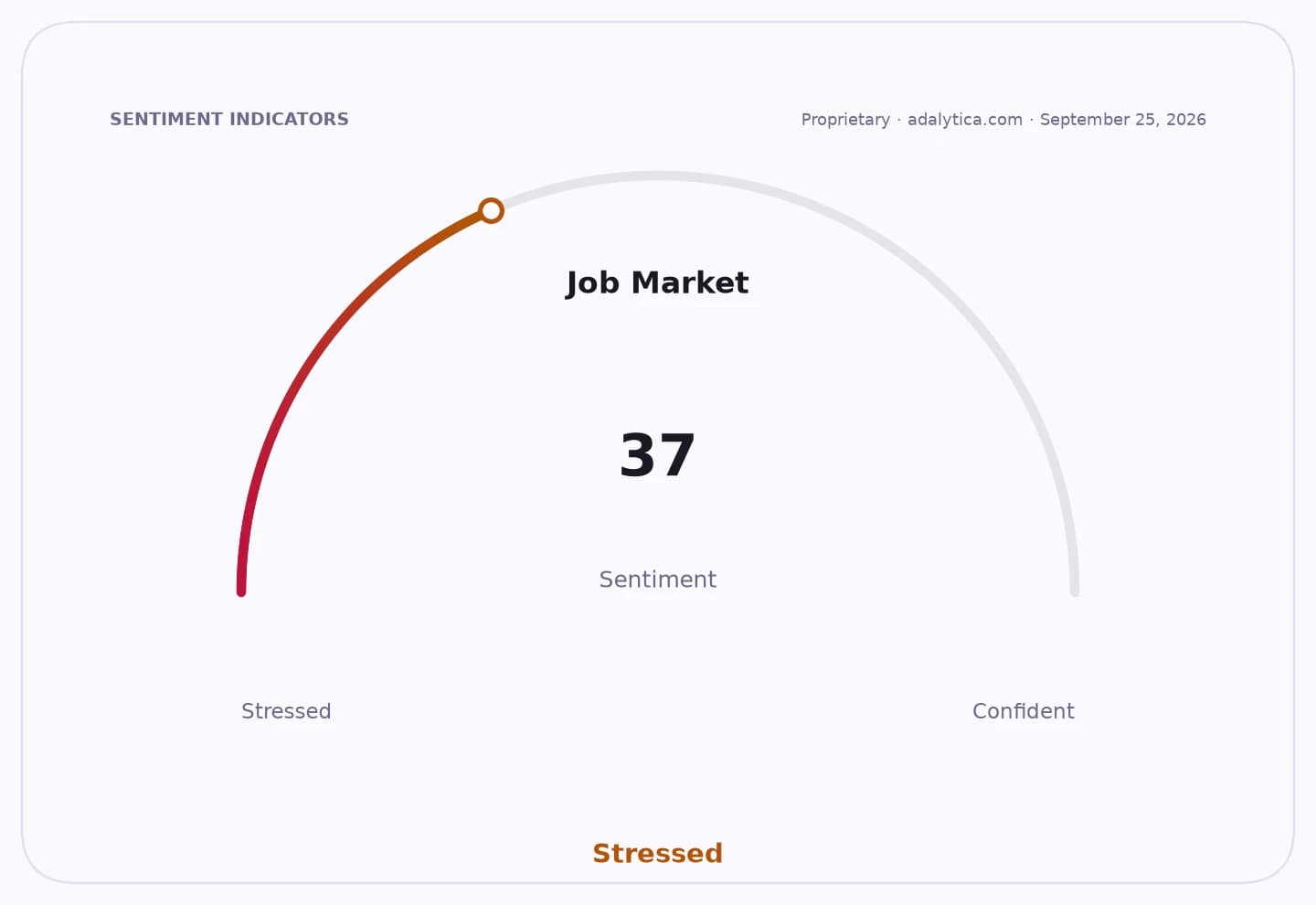
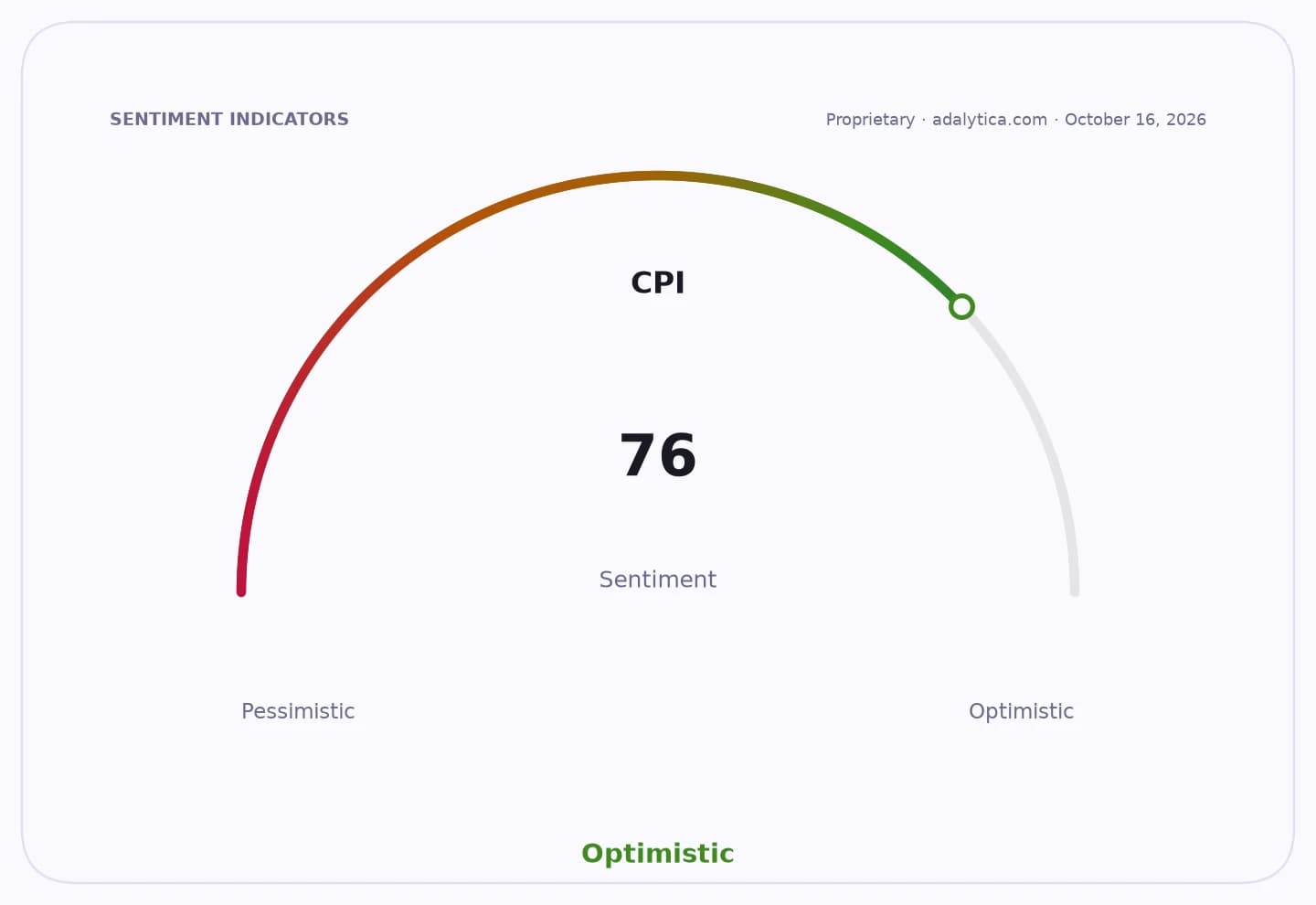
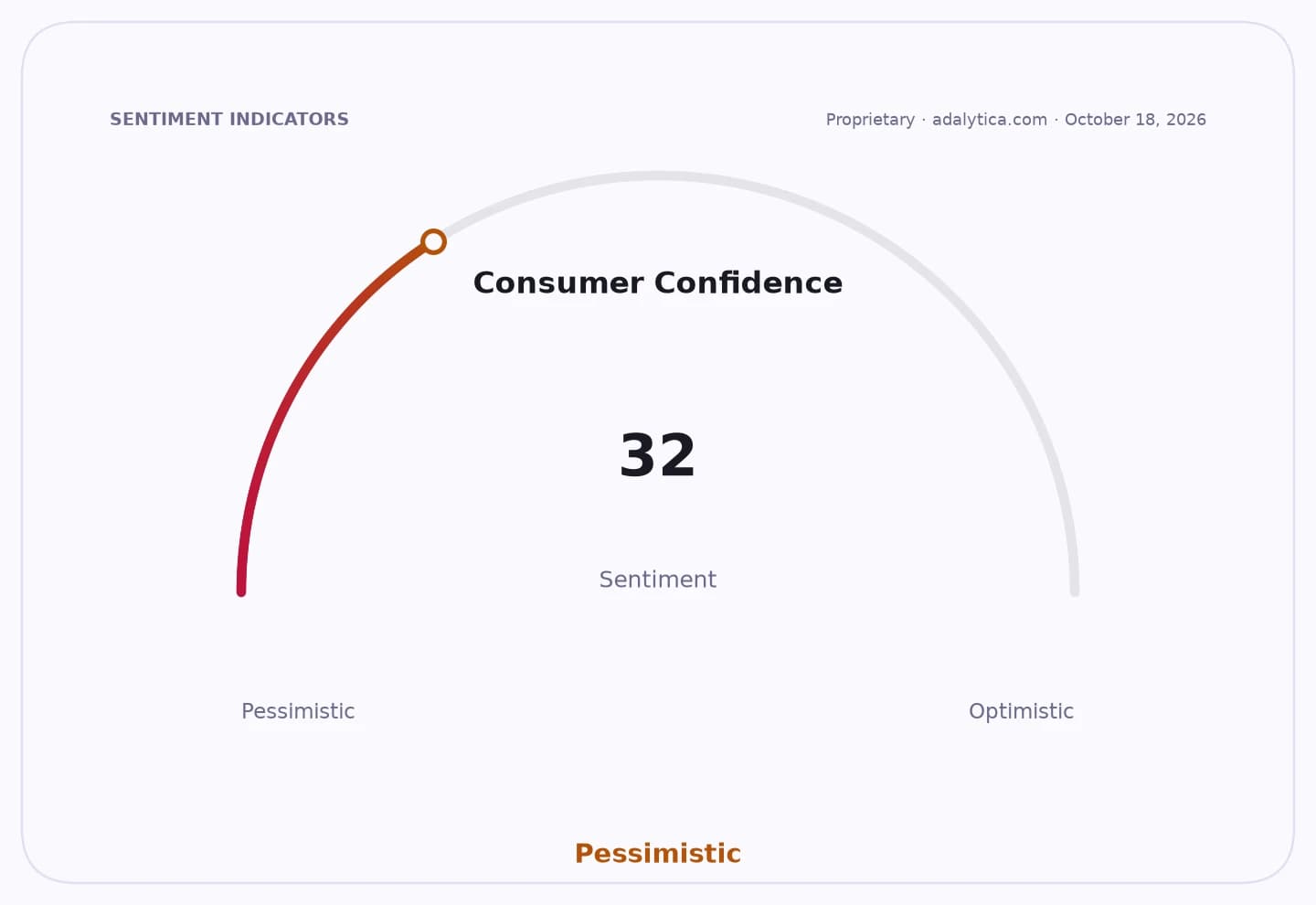
Sentiment IndicatorsⓘProprietary · adalytica.com · October 18, 2026
This is a snapshot — live sentiment, awareness and momentum for 130+ markets update continuously in the dashboard.Open AlphaPulse
For the economy, the significance is broader than employment statistics. Since November 2023, Argentina has lost almost 266,000 registered salaried jobs, a 4.2% decline, according to the SIPA system. INDEC’s data confirm the trend has not reversed. Registered salaried positions stood at 10.880 million in the second quarter, down 1.4% year on year, even as non-registered salaried work edged up 0.5% to 5.601 million. That mix points to weaker payroll tax collection, softer household income quality and a labor market that is becoming less productive and less protected.
The pressure is also showing up in the distribution of income. The share of wages in gross value added fell to 42.9% from 45.4% a year earlier, while the share of gross operating surplus rose to 44.7% from 41.9%. That does not tell us what each worker earns, but it does show bargaining power shifting away from labor and toward business income. For a country already fighting to restore consumption and stabilize prices, that is a problem.
Investors should care because this is not just a social story; it is a demand story, a credit story and a policy story. Weak job quality limits household spending power, especially for retailers, consumer lenders and domestic-facing companies. It also makes the recovery less durable because informal and platform-based work tends to produce lower, more volatile incomes than stable salaried employment. If workers are adding hours just to protect earnings, rather than because of stronger demand, that is a sign of strain, not strength.
The market implication is that Argentina’s labor adjustment is likely to favor the balance sheets of companies that can operate with flexible labor and digital intermediation, while punishing businesses that depend on broad-based wage growth. Platform-based delivery, mobility and freelance service models may continue to gain share, and the monotributo system remains a key entry point for formalization. But that same flexibility is also a warning sign: when independent work becomes the fallback instead of the choice, labor insecurity becomes embedded in the recovery.
The policy backdrop matters too. Labor rules that extend space for independent platform workers may ease hiring frictions, but they also risk entrenching a two-tier labor market if formal job creation does not improve. For now, the data say Argentina is not repairing its job base; it is changing its composition. That leaves investors with a simple takeaway: the country’s apparent employment stability is brittle, and the real upside will belong to businesses positioned for a low-wage, high-flexibility economy until registered hiring finally turns.
| Entity | Gains | Losses |
|---|---|---|
| Platform and gig workers | ▲More task-based demand | ▼Lower income stability |
| Employers with flexible labor models | ▲Lower hiring costs | ▼Less consumer spending power |
| Argentine households | ▲Some access to work | ▼Weaker wage quality |
| Consumer lenders and retailers | ▲None | ▼Softer payroll growth |