Luxembourg’s unions and employers are pressing the government for fresh inflation forecasts before deciding whether energy support measures should be extended into the new year, a test of whether Europe’s high-cost squeeze is easing fast enough to protect wages without reigniting price pressure.
Luxembourg unions seek inflation forecasts on energy aid
The tripartite follow-up meeting matters because Luxembourg’s wage indexation system automatically lifts pay when inflation rises, making the government’s next move a direct swing factor for household purchasing power, corporate labor costs and public finances. With living costs still climbing and the June package only partially implemented, the debate is no longer about emergency relief alone — it is about whether the country can keep inflation contained without forcing another round of wage adjustments.
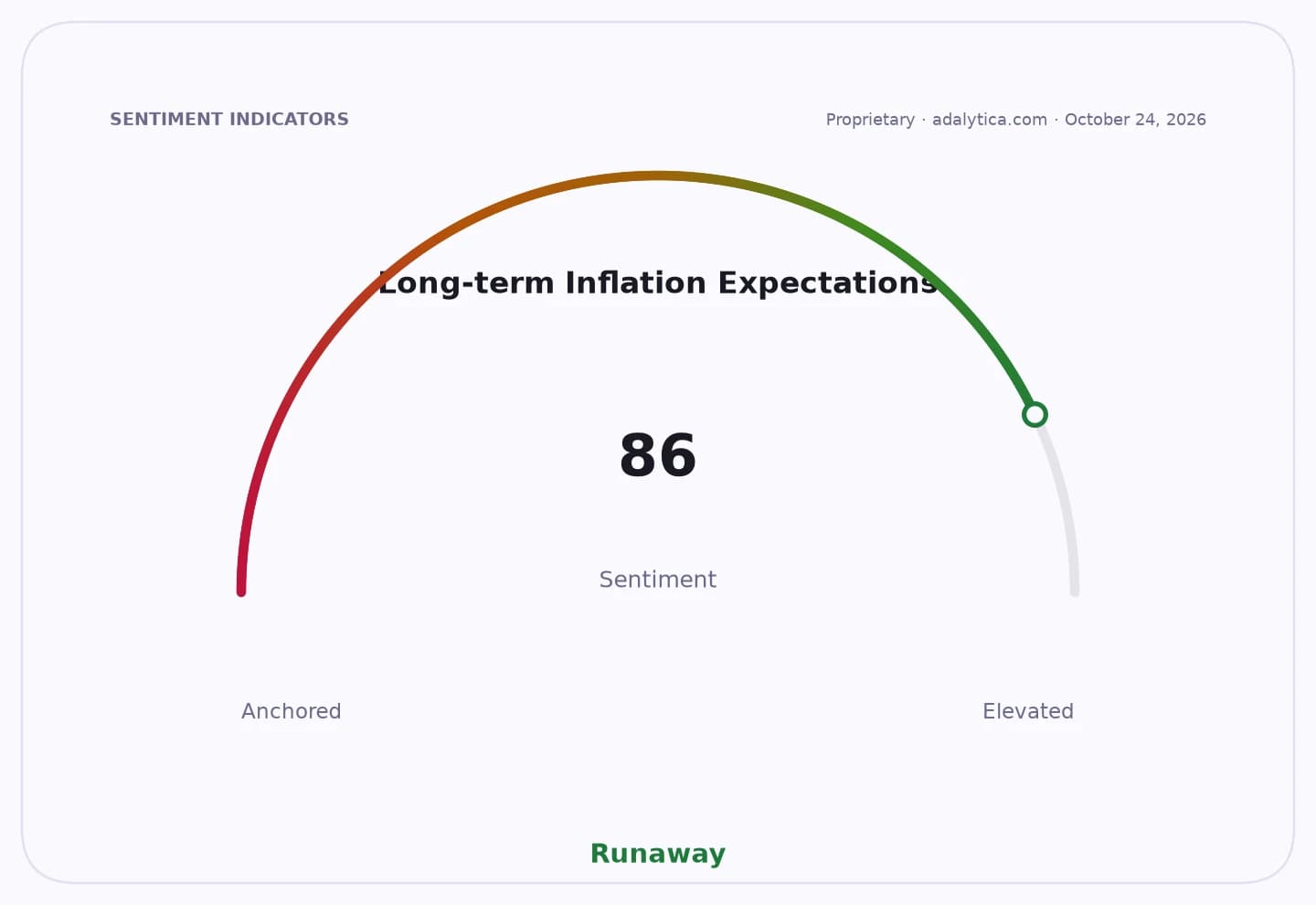
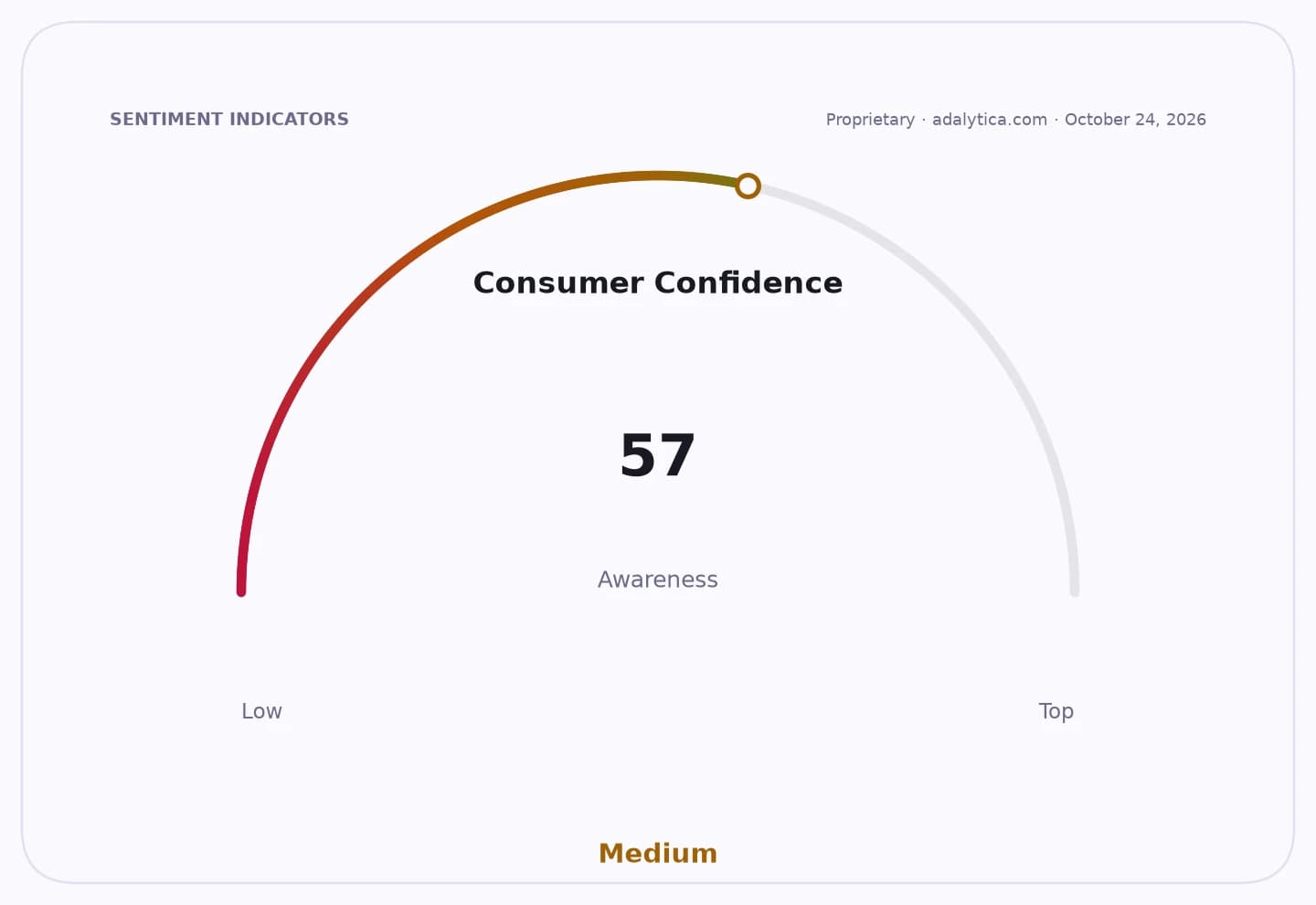
Sentiment IndicatorsⓘProprietary · adalytica.com · October 24, 2026
This is a snapshot — live sentiment, awareness and momentum for 130+ markets update continuously in the dashboard.Open AlphaPulse
The uncertainty has grown because the conflict in the Middle East has outlasted assumptions baked into earlier forecasts, leaving STATEC’s inflation outlook less reliable. Prime Minister Luc Frieden said no decision has been taken on extending energy support into 2026 and that Tuesday’s meeting will help shape the government’s call. That puts the latest price projections at the center of a broader policy trade-off: keep households shielded, or allow support to expire and risk a sharper hit to real incomes.
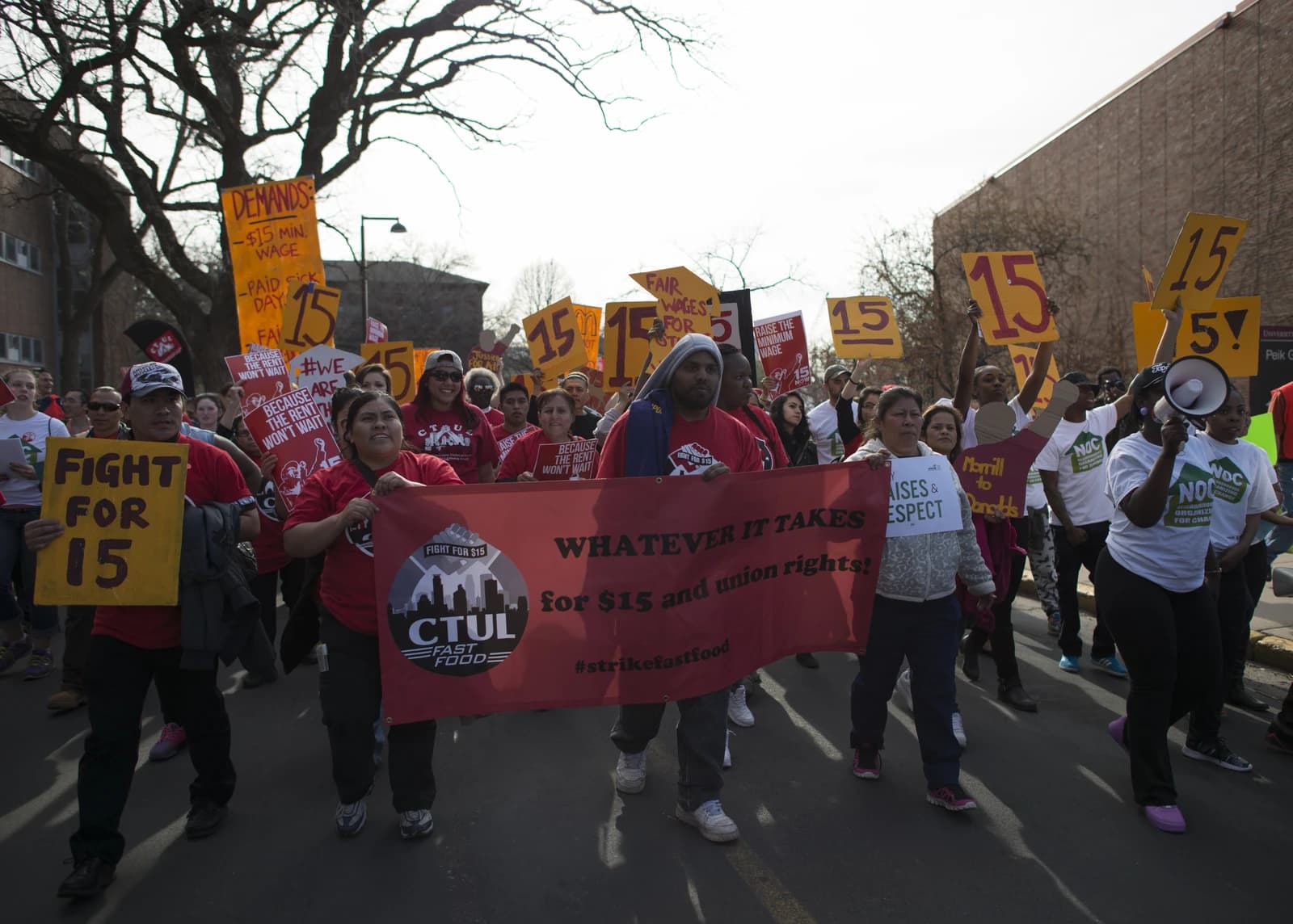
For unions, the line in the sand is the wage indexation mechanism itself. Nora Back of the OGBL said workers and families are worried and that social dialogue must stay active, adding that wage indexation should remain “untouchable.” Employers, meanwhile, want scenarios that show what happens if the current measures lapse, are rolled over partially, or if energy markets deteriorate again. That is exactly the kind of policy visibility businesses need before hiring, pricing and budgeting into 2026.
The economic stakes are bigger than Luxembourg’s size suggests. The June package included lower fuel excise duties, interventions in gas and heating oil, and a minimum wage increase — a combination designed to slow inflation and avoid multiple indexation rounds. If it works, it supports consumer spending and reduces pressure on margins. If it doesn’t, the government faces either renewed fiscal support or higher wage costs spreading through the economy.
Investors should read this as a classic inflation-policy inflection point. Sticky energy prices and uncertain forecasts keep the odds elevated that governments across Europe will be forced to choose between protecting purchasing power and preserving cost discipline. In that environment, companies with pricing power, energy efficiency and limited labor intensity are better positioned than wage-sensitive businesses. The market continues to underestimate how long inflation aftershocks can distort earnings in small, open economies like Luxembourg.
The next catalyst is the revised STATEC outlook and the government’s decision on whether to renew support. If inflation forecasts soften, the pressure on policymakers eases. If they do not, expect the tripartite framework to become the arena where wage growth, fiscal support and business costs collide again.
| Entity | Gains | Losses |
|---|---|---|
| Households | ▲Energy relief, wage protection | ▼Higher living costs |
| Employers/Fedil | ▲Forecast clarity, policy scenarios | ▼Labor-cost uncertainty |
| Unions/OGBL | ▲Indexation defense, active dialogue | ▼Any rollback of support |
| Government | ▲Better policy footing, social calm | ▼Fiscal strain, tougher trade-offs |