Turkey is heading into a politically sensitive year-end calculation that will set January 2027 pay rises for retirees and civil servants, with current inflation data already locking in a minimum increase of 5.55% for SSK and Bağ-Kur pensions.
Turkey pensions face January 2027 inflation reset
That figure is not the final number, but it establishes the floor for one of the country’s most important household-income adjustments. For millions of retirees and public workers, the January repricing will determine how much of the recent rise in living costs is offset. For the government, it will shape wage-bill growth, budget planning and the broader inflation narrative heading into 2027.
Sentiment IndicatorsⓘProprietary · adalytica.com · October 24, 2026
This is a snapshot — live sentiment, awareness and momentum for 130+ markets update continuously in the dashboard.Open AlphaPulse
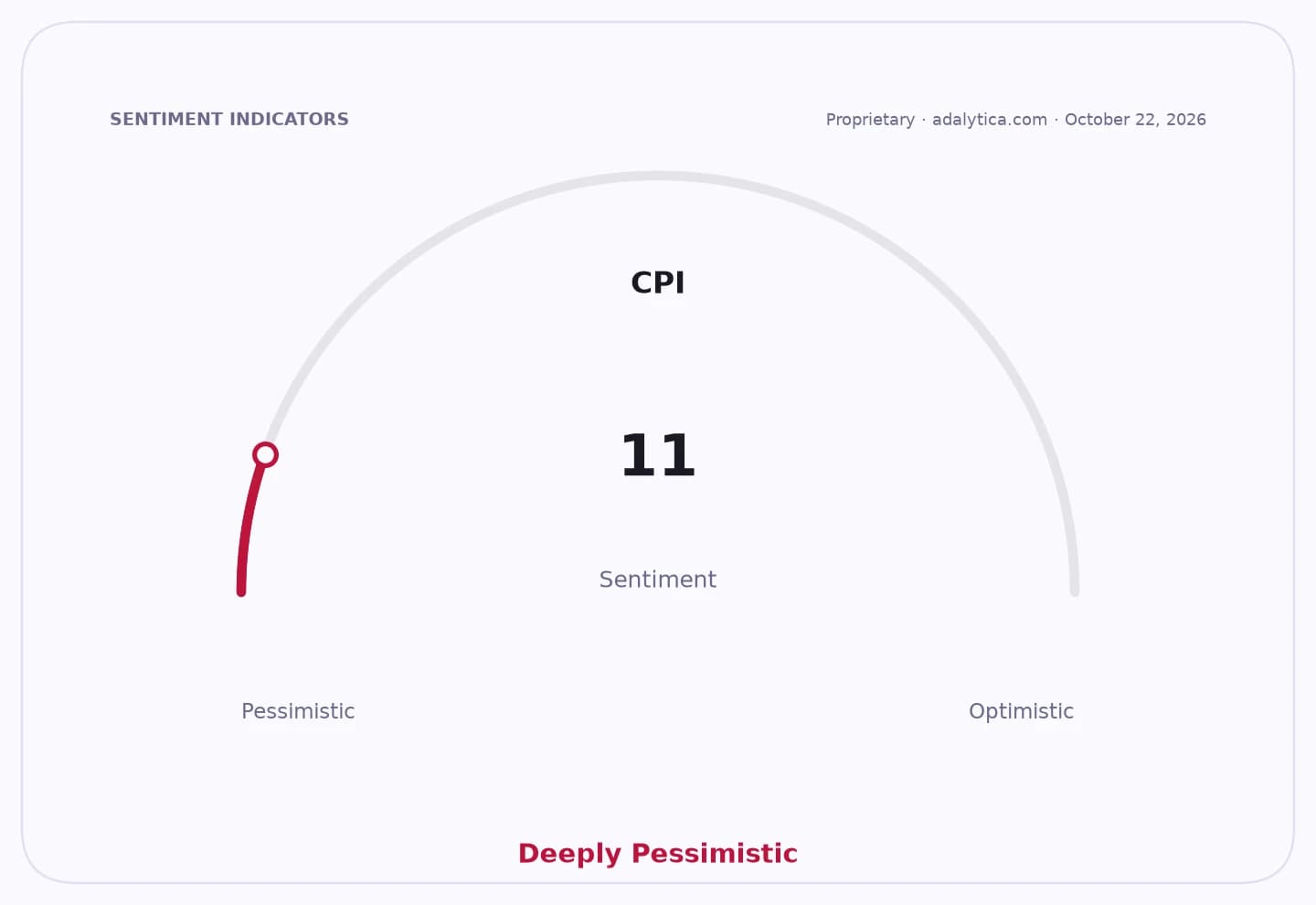
The latest data from TÜİK show monthly inflation of 1.78% in July, 1.84% in August and 1.84% in September, bringing the cumulative increase for the period to 5.55%. Because pension adjustments are calculated cumulatively from July through December, the October, November and December prints will determine the final increase that takes effect in January. The same framework applies to civil servants, though their pay rise is also influenced by collective bargaining and policy decisions, making the eventual adjustment a likely flashpoint in wage negotiations.
The economic significance is straightforward: high inflation keeps indexed incomes rising, but also increases public-sector spending and can complicate efforts to slow price growth. A larger-than-expected January increase would provide relief to pensioners and state employees, supporting consumption at a time of persistent cost-of-living pressure. But it would also add to fiscal outlays and could reinforce expectations that inflation remains sticky, which in turn makes it harder to anchor wage demands in the private sector.
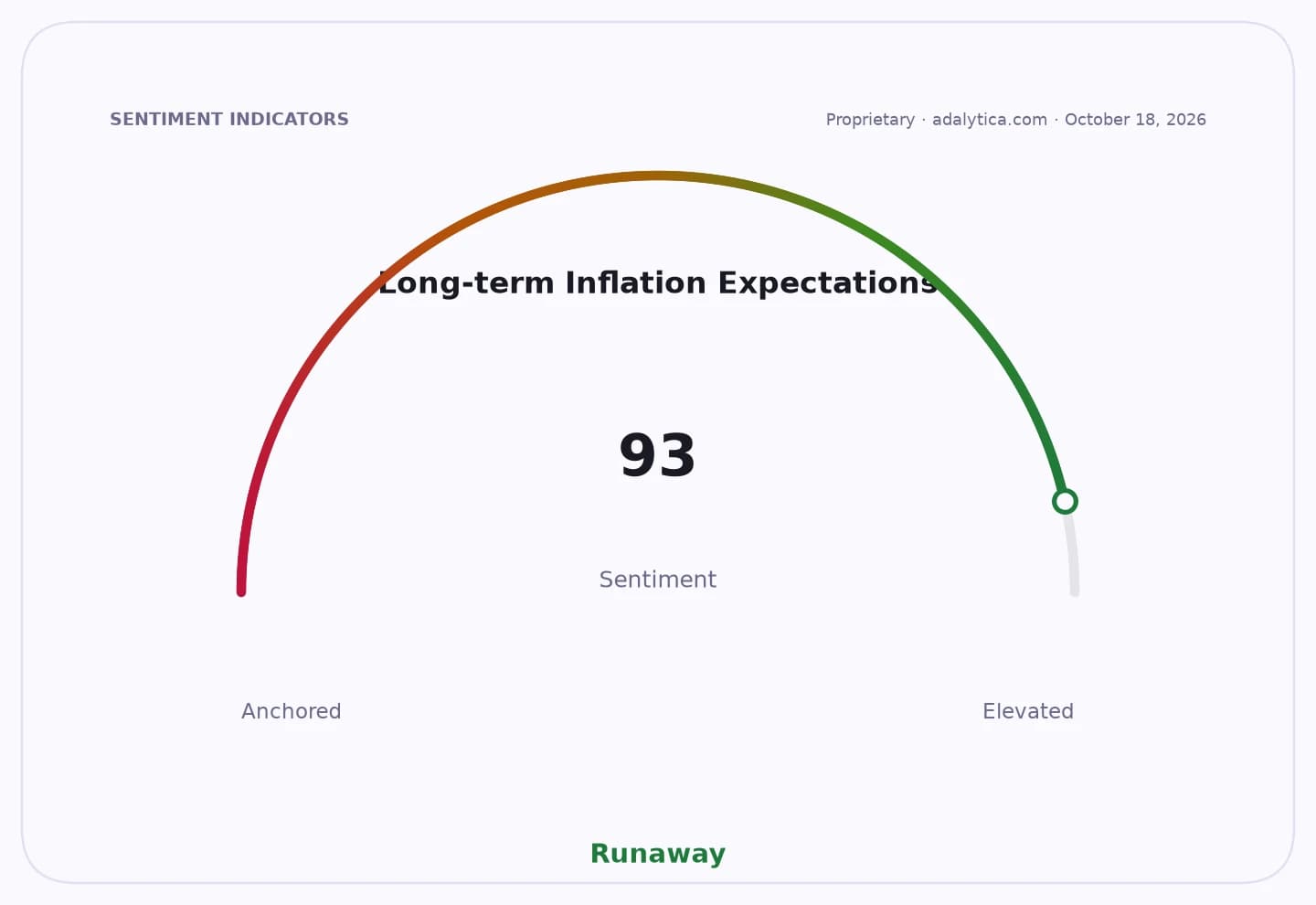
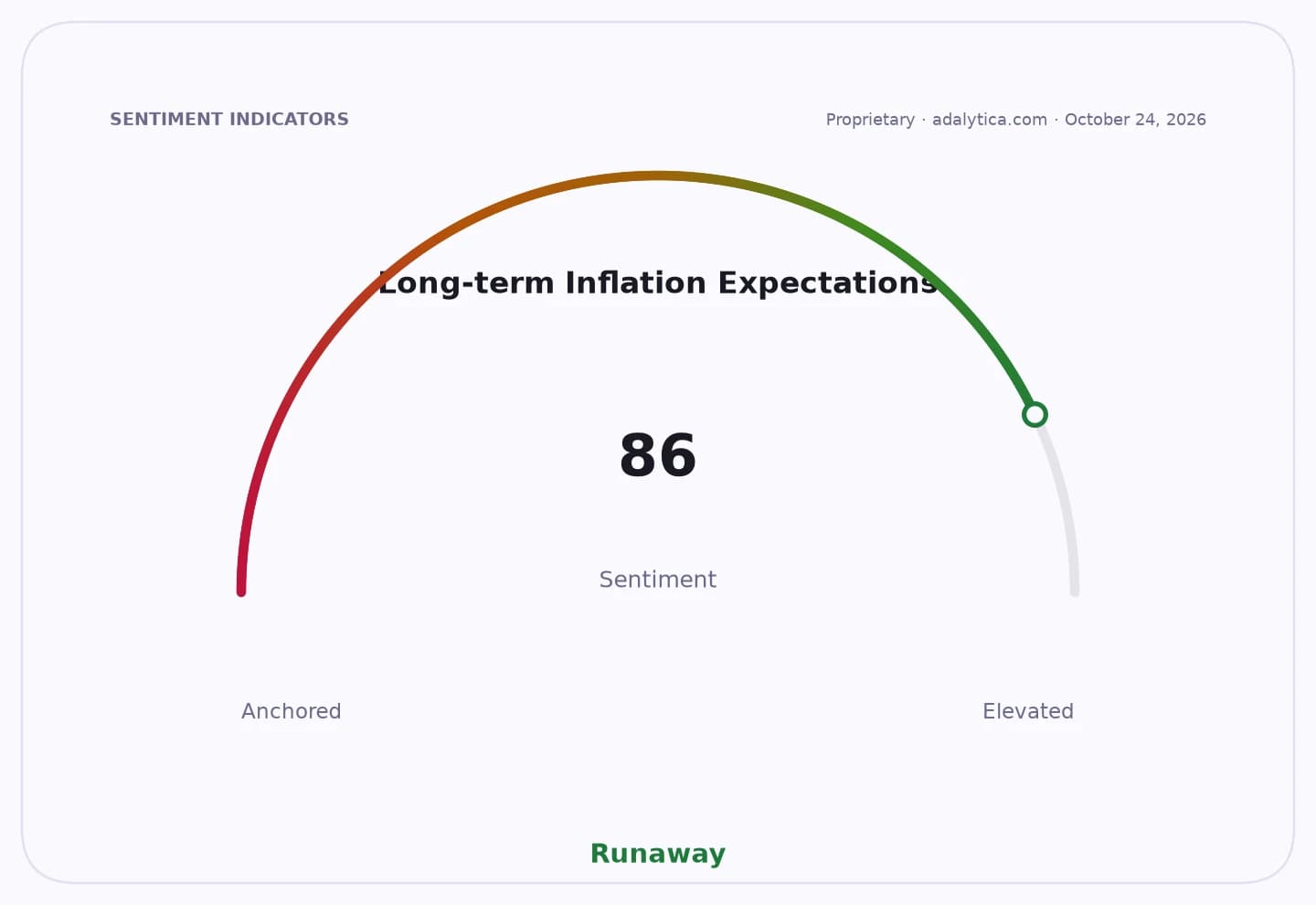
Markets are likely to focus less on the nominal percentage than on what it implies for policy credibility. Turkey has spent years trying to rein in inflation expectations, yet even the pension formula effectively bakes in backward-looking price growth. Adalytica’s Long-Term Inflation Expectations sentiment has improved sharply in recent sessions but still signals elevated concern, while broader market gauges remain cautious. That matters for lira assets because sustained inflation-linked wage increases can keep real rates under pressure and limit room for easier monetary policy.
For investors, the key issue is not only the size of the January increase but the signal it sends about the inflation path into year-end. If October-December inflation stays near the recent pace, the final adjustment will likely exceed the 5.55% floor by a meaningful margin. That would support consumer spending and pensioner income, but it would also increase the risk that wage indexation keeps domestic demand hot and complicates the disinflation process.
The setup leaves three moving parts to watch: the next three inflation prints, any government move to soften the impact through administrative adjustments, and how markets interpret the final wage decision in the context of Turkey’s broader inflation fight. The higher the January increase, the more it helps households — and the more it tests policymakers’ ability to slow prices without weakening growth.
| Entity | Gains | Losses |
|---|---|---|
| Retirees | ▲Higher nominal income | ▼Inflation still erodes purchasing power |
| Civil servants | ▲Larger January pay reset | ▼Greater pressure on wage bargaining |
| Government | ▲Short-term social relief | ▼Higher budget wage bill |
| Lira assets | ▲Clearer policy path if inflation cools | ▼Weaker if wage indexation stays high |